Is there anything better than the gentle, whisper-quiet hum of a humidifier, working its magic to combat that pesky dry air? I didn’t think so. I used to wake up every winter morning with a scratchy throat and dry skin until I made a humidifier my bedside companion. But what happens when that soothing sound turns into a disruptive racket? Suddenly, you find yourself frantically typing “my Humidifier Is Making A Loud Gurgling Or Buzzing Noise” into a search bar at 2 AM.
Don’t panic. You haven’t brought a gremlin into your home. Those strange sounds are your humidifier’s way of telling you something needs attention. Think of it as a cry for help. And today, we’re going to play translator. We’ll decode those gurgles, buzzes, and hums, figure out what’s causing them, and walk you through the simple steps to restore peace and quiet to your space.
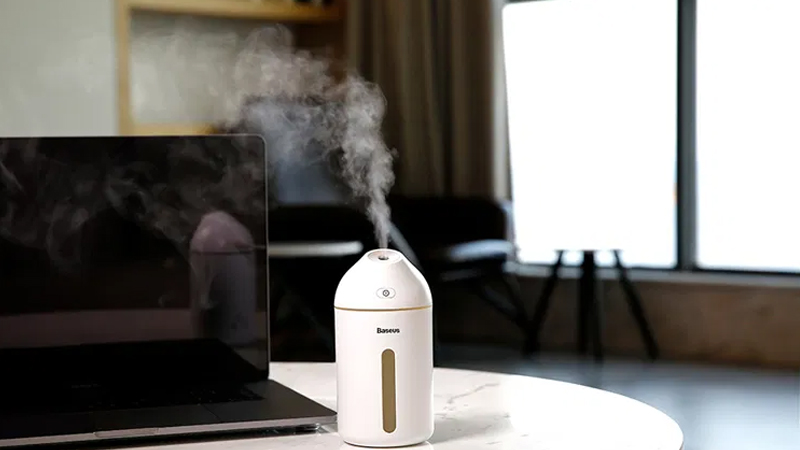
First Things First: Are All Humidifier Noises Bad?
Before we dive into troubleshooting, let’s set the record straight: not all noises are a sign of trouble. A perfectly healthy humidifier will make some sounds.
- A gentle, consistent hum: This is usually the sound of the internal fan or, in an ultrasonic model, the high-frequency vibration of the nebulizer. It’s the white noise many people actually find relaxing.
- An occasional, soft gurgle: This is completely normal! It’s the sound of water moving from the tank down into the base or reservoir to be turned into mist. It’s like the sound a water cooler makes.
The problem arises when these sounds become loud, constant, or change in character. A loud, persistent gurgle, a high-pitched buzz, or a new rattling sound are your cues to investigate further.
Common Culprits: Why Your Humidifier is Making a Loud Gurgling or Buzzing Noise
Let’s get down to the detective work. Most of the time, that annoying sound can be traced back to one of a few common issues.
The Gurgle Monster: It’s All About the Water
A gurgle is the sound of air and water swapping places. While a little is normal, a loud or constant gurgle often points to a simple issue.
- Uneven Surface: This is the number one cause. If your humidifier isn’t on a perfectly flat, level surface, water can’t flow smoothly from the tank to the base. This creates air pockets that escape with a loud “glug-glug” sound. It’s like tilting a water bottle too far when you pour.
- Blocked Water Valve: The valve or opening between the tank and the base can get partially clogged with mineral deposits, especially if you use hard tap water. This forces water through a smaller opening, causing a more pronounced gurgling noise.
The Buzzkill: Unpacking That Annoying Buzzing Sound
A buzzing noise is more mechanical and often points to something vibrating that shouldn’t be.
- Mineral Buildup (Limescale): This is the arch-nemesis of any humidifier, particularly ultrasonic models. If you use tap water, dissolved minerals like calcium and magnesium can build up on internal components. This chalky, white substance, also known as scale, can cause major problems. When scale forms on the ultrasonic nebulizer (the part that vibrates to create mist), it has to work harder, creating a louder-than-normal buzzing sound.
- Fan Issues: In evaporative or fan-based models, a buzzing sound can mean the fan is dirty, obstructed, or out of balance. Dust, hair, or even mineral scale can get into the fan assembly, causing it to vibrate and buzz.
- Loose Components: Sometimes, it’s as simple as a part that has vibrated loose over time. The housing, the tank, or an internal component might be rattling against another part, creating that incessant buzz.
As our in-house Indoor Air Quality Specialist, Dr. Eleanor Vance, often says: “A noisy humidifier is often a dirty humidifier. That mineral buildup isn’t just an auditory annoyance; it can impede the unit’s efficiency and, if left unchecked, potentially affect the cleanliness of the mist it produces.”
A Step-by-Step Guide to Silencing Your Humidifier
Ready to reclaim your peace and quiet? Grab some white vinegar and a soft cloth, and let’s walk through the process of quieting that noisy machine.
- Safety First: Unplug It!
Before you do anything else, always disconnect your humidifier from the power source. Water and electricity are not friends. - Find a Level Playing Field
Move the humidifier to a hard, perfectly level surface. Avoid placing it on a plush carpet or a wobbly table. This simple move solves loud gurgling more often than you’d think. - Perform a Deep Clean (The Descaling Ritual)
This is the most crucial step for tackling buzzing noises. You should be doing this regularly, but if you’ve let it slide, now’s the time.- Empty and Disassemble: Empty any remaining water from the tank and base. Take apart all removable components according to your user manual.
- The Vinegar Soak: Fill the base and/or tank with a solution of one part white vinegar to one part water. Let it soak for at least 30-60 minutes. This will dissolve all that stubborn mineral buildup. Do not turn the unit on with vinegar inside.
- Gentle Scrub: After soaking, use a soft-bristled brush (an old toothbrush works great) to gently scrub away any remaining scale from the base, nebulizer, and nooks and crannies.
- Rinse Thoroughly: Rinse all parts with clean water until the vinegar smell is gone. You may need to rinse it two or three times.
- Dry and Reassemble: Let all the parts air dry completely before putting your humidifier back together.
- Inspect and Clean the Fan
If you have an evaporative model, or can access the fan, check it for dust and debris. Use a can of compressed air or a soft, dry cloth to carefully clean the fan blades. - Check and Replace the Filter
For evaporative humidifiers, a clogged, crusty wicking filter can restrict airflow and make the fan work harder, causing noise. If your filter is hard and discolored, it’s time for a replacement. A new filter can make a world of difference. For more guidance, check out our article on [How to Choose the Right Humidifier Filter].
Prevention is Better Than a Cure: Keeping Your Humidifier Quiet
Once you’ve restored your humidifier to its quiet, happy state, you’ll want to keep it that way. Here’s how:
- Use the Right Water: The best way to prevent mineral buildup is to avoid it in the first place. Using distilled or demineralized water instead of tap water will dramatically reduce scale formation and keep your unit running quietly and efficiently.
- Stick to a Cleaning Schedule: A quick weekly clean (rinse and wipe) and a monthly deep clean with vinegar will prevent the issues that cause a humidifier to make a loud gurgling or buzzing noise.
- Replace Filters Regularly: Follow the manufacturer’s recommendations for filter replacement. Don’t try to stretch their lifespan.
- Ensure Proper Placement: Always keep your unit on a flat, waterproof surface, at least a few feet away from walls and furniture to ensure good airflow.
Frequently Asked Questions (FAQ)
Q: Why is my brand new humidifier making a loud gurgling noise?
A: This is usually not a defect. Most often, it’s caused by the unit being on a slightly uneven surface, which disrupts the flow of water. Try moving it to a different, perfectly level spot. A few initial gurgles as the machine starts up for the first time are also normal.
Q: Is a buzzing noise from my humidifier dangerous?
A: While typically not dangerous, a persistent buzzing sound is a sign that the unit isn’t operating correctly. It’s often due to mineral buildup forcing the motor or nebulizer to work too hard, which could shorten the appliance’s lifespan if ignored.
Q: How often should I clean my humidifier to prevent noise?
A: For best performance and quiet operation, it’s recommended to rinse and wipe the tank and base every few days. A thorough descaling with a vinegar solution should be done at least once a month, or more frequently if you have very hard water.
Q: Can using tap water really make my humidifier louder?
A: Absolutely. Tap water contains minerals that create limescale buildup. This scale forces components like the fan and ultrasonic plate to vibrate and work harder, directly causing buzzing and humming sounds. Using distilled water is the best way to prevent this.
Q: What is the ideal humidity level for a room?
A: For comfort and health, the ideal relative humidity level in a home is between 40% and 60%. Levels below this can cause dry skin, irritated sinuses, and static electricity, while levels above can promote mold growth. Many modern humidifiers have a built-in hygrometer to help you maintain this balance.
Bring Back the Blissful Hum
A humidifier should be a source of comfort, not a noisy nuisance. In most cases, if your humidifier is making a loud gurgling or buzzing noise, the solution is simple and requires just a bit of routine maintenance. By keeping it clean, using the right water, and ensuring it’s on a level surface, you can enjoy the quiet, soothing benefits of perfectly humidified air for years to come.