Ever walk across your living room in the winter, touch a doorknob, and get that sharp zap of static electricity? Or maybe you’ve woken up with a scratchy throat and dry skin that no amount of lotion can seem to fix. That’s the work of dry indoor air. A humidifier is the go-to hero for these problems, but as you unbox your new machine, a nagging question might pop into your head: Can A Humidifier Damage Wood Furniture? It’s a great question, and one we hear all the time. You love your antique dresser and that solid oak dining table, and the last thing you want is for your solution to one problem to create another.
The short answer is: yes, a humidifier can damage wood furniture, but only if used incorrectly. The real story isn’t about the humidifier itself, but about the moisture it produces. Think of your humidifier as a powerful tool. In the right hands, it creates a perfectly comfortable and healthy environment. In the wrong hands, or without the right knowledge, it can cause issues. But don’t worry. By the time you’re done reading this, you’ll be a pro, able to balance your home’s humidity perfectly, protecting both your health and your prized possessions.
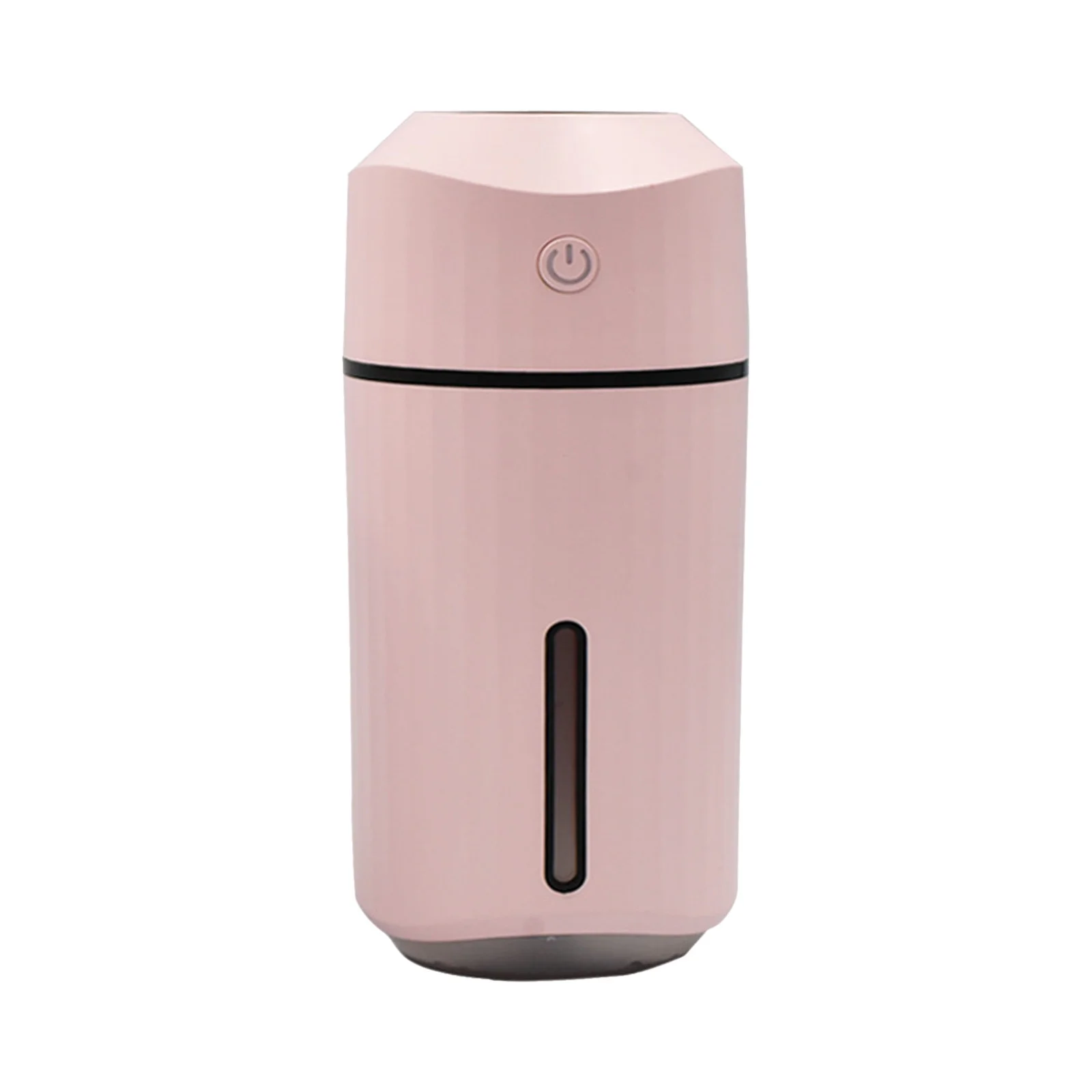
The Love-Hate Relationship Between Wood and Water
To understand the risk, you first need to understand wood itself. Even after it’s been cut, dried, and crafted into a beautiful piece of furniture, wood is still a natural, porous material. Think of it like a very, very dense sponge.
- When the air is too dry: Wood releases its own internal moisture into the air. This causes it to shrink, which can lead to cracks, splits, and loose joints. That creaky floorboard in January? Probably a victim of dry air.
- When the air is too humid: Wood absorbs the excess moisture from the air. This causes it to swell. Over time, this swelling can lead to warping, buckled veneers, sticky drawers, and damage to the furniture’s finish. Even worse, excessive moisture creates a breeding ground for mold and mildew.
So, the enemy isn’t the humidifier; it’s an imbalance of humidity. Your goal is to find that perfect “Goldilocks zone” where the humidity is just right.
So, What is the Ideal Humidity Level for Wood Furniture?
The sweet spot for most homes, which benefits your health, your plants, and your wood furniture, is a relative humidity (RH) level between 40% and 60%. This range is widely recommended by furniture makers and museum conservators alike. It provides enough moisture to prevent wood from drying out and cracking, but not so much that it causes swelling and mold.
But how can you know your home’s RH level? You can’t feel the difference between 35% and 55% humidity. That’s where a small, inexpensive device called a hygrometer becomes your best friend.
Expert Insight: “I always tell my clients that buying a humidifier without a hygrometer is like driving a car without a speedometer,” says Dr. Eleanor Vance, an Indoor Air Quality Specialist. “You have no idea if you’re going too fast or too slow. A hygrometer is the essential gauge that empowers you to create a stable, safe environment for your home’s wooden furnishings.”
How to Use a Humidifier Without Damaging Your Furniture
Now for the practical part. You’ve got your humidifier, you’ve got your hygrometer, and you’re ready to create the perfect indoor oasis. Here are the simple, effective steps to ensure your wooden treasures stay safe and sound.
1. Placement is Everything
This is the most common mistake people make. Never place a humidifier directly next to or on top of wood furniture. The concentrated stream of mist, especially from cool mist models, can saturate the wood’s surface, leading to water spots, damaged finishes, and swelling.
Best Practice: Place your humidifier at least four to six feet away from any wood furniture. It’s also a good idea to elevate it a few feet off the floor on a small, water-resistant table or stand. This allows the moisture to disperse evenly throughout the room rather than settling in one spot.
2. Choose the Right Type of Humidifier
Not all humidifiers are created equal when it comes to furniture safety. Understanding the basic types can help you make a smarter choice.
- Ultrasonic Humidifiers: These are popular for being whisper-quiet. They use a vibrating diaphragm to create a fine, cool mist. The downside? If you use tap water, they can also disperse fine mineral dust (often called “white dust”) that settles on surfaces, including your furniture. Using distilled or demineralized water is highly recommended to prevent this.
- Evaporative Humidifiers: These models use a fan to blow air through a wet wick or filter. They are largely self-regulating; as the air’s humidity increases, the rate of evaporation naturally slows down. This makes it much harder to over-humidify a room, making them a very safe choice for homes with lots of wood furniture.
3. Let Your Hygrometer Be Your Guide
Once you’ve set up your humidifier, don’t just “set it and forget it.”
- Place your hygrometer in the room, but not right next to the humidifier, to get an accurate reading of the room’s overall humidity.
- Turn on your humidifier and set it to a medium setting.
- Check the hygrometer after a few hours.
- Adjust the humidifier’s output up or down until the hygrometer consistently reads within that ideal 40-60% range. Many modern humidifiers have a built-in humidistat that does this for you automatically.
4. Proper Maintenance is Non-Negotiable
A poorly maintained humidifier can be worse than no humidifier at all. A dirty tank can become a breeding ground for mold and bacteria, which can then be dispersed into your air and settle on your furniture. Follow the manufacturer’s instructions for regular cleaning, which usually involves a weekly rinse and a monthly descaling with vinegar. For more details, you can check out our comprehensive guide on [how to clean your humidifier].
Frequently Asked Questions (FAQ)
Q1: How far should a humidifier be from wood furniture?
A: A safe distance is at least four to six feet. You should never place a humidifier directly on a wooden surface or so close that the mist visibly settles on the furniture.
Q2: Is a cool mist or warm mist humidifier better for wood furniture?
A: Both can be used safely if you follow proper placement and humidity monitoring. However, evaporative cool mist models are often considered safer because they make it more difficult to over-humidify the air, reducing the risk of swelling and warping.
Q3: What are the signs of humidity damage on wood furniture?
A: Signs of too much humidity include sticky or hard-to-open drawers, a foggy or milky appearance on the finish, warping or bowing of flat surfaces, and the appearance of mold or mildew. Signs of too little humidity include fine cracks in the wood grain, separating joints, and a dull, dry appearance.
Q4: Can I use tap water in my humidifier if I have wood furniture?
A: It’s best to use distilled or demineralized water, especially in an ultrasonic humidifier. This prevents the minerals in tap water from being released as “white dust,” which can leave a film on your furniture and other surfaces.
Q5: My windows have condensation. Is my humidifier damaging my furniture?
A: Condensation on windows is a classic sign that the humidity in your home is too high. If you see this, you should turn down your humidifier immediately. This excess moisture in the air is precisely what can cause your wood furniture to swell and warp over time.
The Final Verdict
So, let’s circle back to our original question: can a humidifier damage wood furniture? Yes, it can—but only if you let it run wild. By investing in a simple hygrometer, positioning your unit thoughtfully, and keeping the relative humidity within the safe and comfortable range of 40-60%, you’re not just protecting your furniture; you’re creating a healthier environment for yourself.
The right level of humidity is a delicate balance, but it’s one that’s easily achieved. A humidifier is one of the best investments you can make for your home during the dry months, preventing everything from cracked furniture to chapped lips. Armed with this knowledge, you can now breathe easy—literally—knowing you’re doing what’s best for your home and everything in it.