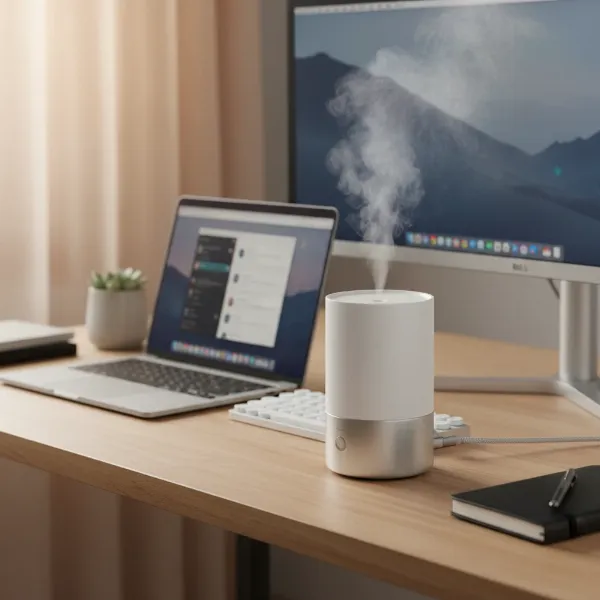
For singers, the voice is a precious instrument, and maintaining its health is paramount. Dry air, a common adversary, can significantly impact vocal cords, leading to irritation, strain, and even long-term damage. This is where a high-quality humidifier becomes an indispensable tool, creating an environment where vocal cords can thrive, remain hydrated, and perform at their best. Understanding the role of humidity in vocal health and selecting the right device can be a game-changer for anyone who relies on their voice, from professional vocalists to aspiring talents.
The Indispensable Role of Humidifiers for Vocal Health
Why is humidity so crucial for a singer’s voice? The human vocal cords are delicate structures that vibrate rapidly to produce sound. For optimal function, they need to be well-lubricated. Dry air strips away this essential moisture, causing the vocal cords to become stiff, less pliable, and more prone to irritation. This can manifest as a hoarse voice, increased effort in singing, a reduced vocal range, and even permanent damage over time.
A humidifier directly addresses these issues by adding moisture to the air. This increased humidity helps keep the mucous membranes lining the vocal cords hydrated, allowing them to vibrate smoothly and efficiently. Adequate hydration reduces friction, minimizes the risk of inflammation, and supports faster recovery from vocal strain. Regular use of a humidifier, especially in dry climates, heated indoor environments, or during allergy seasons, can significantly enhance vocal comfort, improve vocal quality, and protect against common voice problems.
Unpacking the Different Humidifier Types for Vocalists
Choosing the right humidifier involves understanding the various types available, each with its own benefits and considerations for voice care.
Ultrasonic Humidifiers: Quiet Comfort
Ultrasonic humidifiers use high-frequency vibrations to create a fine, cool mist. Their primary advantage for singers is their near-silent operation. This makes them ideal for use in bedrooms, practice spaces, or even backstage before a performance, where noise can be a significant distraction. They are energy-efficient and typically do not require filters, though some models may include them.
- Pros: Extremely quiet, energy-efficient, produces cool mist instantly.
- Cons: Can sometimes emit white dust (mineral residue from hard water), requires regular cleaning to prevent mold and bacteria buildup, mist can settle on surfaces if not careful.
|
Our Picks for the Best Humidifier in 2026
As an Amazon Associate I earn from qualifying purchases.
|
||
| Num | Product | Action |
|---|---|---|
| 1 | LEVOIT - Humidifiers for Bedroom - Quiet (3L Water Tank) - Cool Mist/Top Fill/Essential Oil Diffuser/25Watt - Home/Large Room - 360° Nozzle - Rapid Ultrasonic Humidification for Baby Nursery/Plant |

|
| 2 | Dreo Humidifiers for Bedroom, 4L Top Fill for Large Room, 36H Runtime, 28 dB Quiet Supersized Cool Mist Air Humidifier for Baby Nursery, Plants, Indoor, Night Light, Easy to Clean & Fill, White |
|
| 3 | LEVOIT Classic 160 Top-Fill Ultrasonic Cool Mist Humidifier, Super Easy to Fill and Clean, Quiet Operation for Bedroom Home Baby & Plants, Auto Shut-off for Safety, 360° Rotating Nozzle, 2.5L, Black |
|
| 4 | LEVOIT Top Fill Humidifiers for Bedroom, 2.5L Tank for Large Room, Easy to Fill & Clean, 28dB Quiet Cool Mist Air Humidifier for Home Baby Nursery & Plants, Auto Shut-off for Safety, 25H |
|
| 5 | Homvana Humidifiers for Bedroom Home, 3.6 L Cool Mist Top-Fill 34H Super Long Time, Quiet 23dB, Baby Humidifier, Oil Diffuser for Large Room, House, Plant, Nursery, Office, BPA FREE, Ultrasonic (Grey) |
|
| 6 | DREO Humidifiers for Bedroom, 3L Top Fill 30H & 26dB Quiet Runtime for Large Room, Cool Mist Ultrasonic Humidifier with Humidity Sensor, Night Light for Home, Baby, Nursery, Plants, New Edition |
|
| 7 | LEVOIT OasisMist 1000S (10L) Smart Humidifier for Home Large Room Bedroom, Last 100 Hours Suitable for Indoor Plant, Cover up to 600ft², Easy Top Fill, Remoter & Voice Control, Auto Mode, Quiet, White |
|
| 8 | Dreo Smart Humidifiers for Bedroom, Top Fill 4L Supersized Humidifier Large Room with 28 dB, 36H Runtime, Touch/APP/Voice Control, Nightlight, Cool Mist Humidifiers for Baby, Plants, Indoor, Black |
|
| 9 | LEVOIT Humidifiers for Bedroom Large Room Home, (6L) Cool Mist Top Fill Essential Oil Diffuser for Baby & Plants, Smart App & Voice Control, Rapid Humidification & Auto Mode - Quiet Sleep Mode, Gray |
|
| 10 | LEVOIT Humidifiers for Bedroom Home, Smart Warm and Cool Mist Air Humidifier for Large Room, Auto Customized Humidity, Fast Symptom Relief, Easy Top Fill, Essential Oil, Quiet, OasisMist4.5L, White |
|
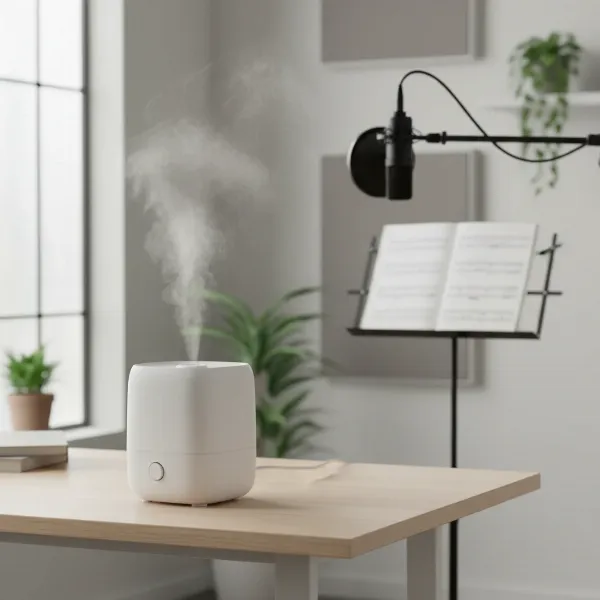 An ultrasonic humidifier silently emitting cool mist in a singer's practice room, emphasizing quiet operation and vocal health.
Evaporative Humidifiers: Natural and Self-Regulating
Evaporative humidifiers work by drawing air through a wetted wick filter. A fan blows air over the filter, causing water to naturally evaporate into the air as an invisible, cool mist. These are often considered “natural” humidifiers because they add moisture in a self-regulating way, meaning they will only release as much moisture as the air can absorb, preventing over-humidification.
- Pros: Self-regulating (less chance of over-humidification), uses a natural evaporation process, less prone to white dust, generally more hygienic if filters are changed regularly.
- Cons: Can be louder due to the fan, requires regular filter replacement, lower mist output compared to ultrasonic models.
Warm Mist Humidifiers: Soothing and Sterile
Warm mist humidifiers operate by heating water to a boiling point, releasing a warm, sterile steam into the air. The boiling process eliminates most bacteria and mold, making the mist very clean. The warm mist can also be soothing for irritated airways.
- Pros: Produces sterile mist, can be very soothing for sore throats or congestion, often quiet as they don’t use a fan to propel mist.
- Cons: Can be a burn hazard if tipped over, uses more energy than cool mist types, can heat up a small room slightly, requires regular descaling to prevent mineral buildup.
Whole-House Humidifiers: Consistent Climate Control
For singers looking for comprehensive humidity control, a whole-house humidifier integrates directly into the home’s HVAC system. These units humidify the entire living space, providing consistent and uniform moisture levels throughout the house. While a significant investment, they offer unparalleled convenience and effectiveness for maintaining optimal vocal environments.
- Pros: Humidifies an entire home consistently, low maintenance once installed, very efficient for large spaces.
- Cons: High initial cost and professional installation required, not portable.
Comparative Overview: Humidifier Types
To help vocalists make an informed decision, here’s a direct comparison of the most common humidifier types:
| Feature | Ultrasonic Humidifier | Evaporative Humidifier | Warm Mist Humidifier | Whole-House Humidifier |
|---|---|---|---|---|
| Noise Level | Very Quiet | Moderate (fan noise) | Quiet | Very Quiet |
| Energy Efficiency | High | Medium | Low | High |
| Mist Purity | Good (if clean) | Good (with clean filter) | Excellent (sterile) | Excellent |
| Maintenance | Regular cleaning | Filter replacement | Descaling/cleaning | Annual servicing |
| Cost | Medium | Low | Medium | High |
| Portability | High | High | Medium | None |
| Safety Concerns | White dust, mold risk | Filter maintenance | Burn risk | Installation |
Navigating the Purchase: Key Considerations for Singers
Selecting the best humidifier goes beyond just knowing the types. Several factors should influence your decision to ensure it perfectly supports your vocal needs.
Capacity and Room Size
The humidifier’s capacity, often measured in gallons or daily output, should match the size of the room it will humidify. Using a unit too small for a large space will be ineffective, while an oversized one can lead to over-humidification, which itself can foster mold growth. Consider the square footage of your bedroom, practice studio, or performance space.
Noise Level: A Singer’s Priority
For singers, noise is a critical factor. An overly loud humidifier can be distracting during practice, recordings, or even sleep, which is crucial for vocal rest. Ultrasonic humidifiers are typically the quietest, followed by some warm mist models. Evaporative units, due to their fans, tend to be noisier.
Maintenance and Cleanliness
All humidifiers require regular cleaning to prevent the buildup of bacteria, mold, and mineral deposits. Neglecting this can lead to the emission of unhealthy air. Look for models with easily accessible water tanks and simple designs for hassle-free cleaning. Some units offer features like demineralization cartridges or UV light to combat microbial growth.
Portability vs. Coverage
Do you need a humidifier for your bedroom, your rehearsal space, or both? Portable units are versatile, but if you spend most of your time in one location, a larger, less portable unit might offer better, more consistent coverage.
Budget and Features
Humidifiers range widely in price. While it’s tempting to opt for the cheapest option, investing in a slightly more expensive model with features like an adjustable humidistat, auto-shutoff, or essential oil diffusers (if desired, with caution for vocal health) can be beneficial in the long run.
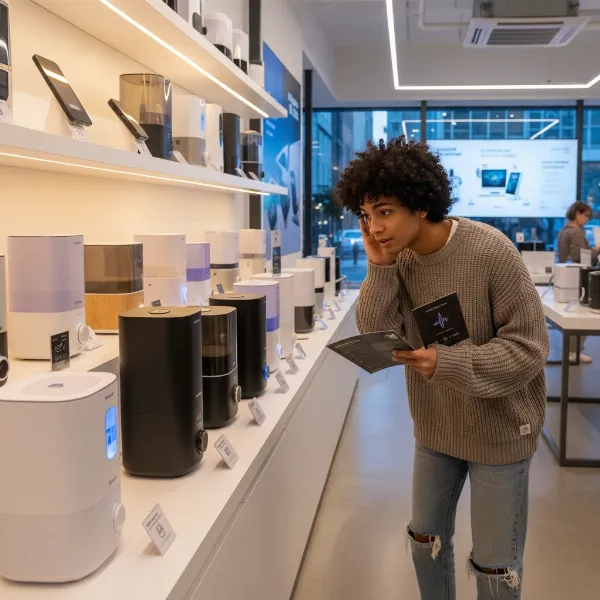 A singer carefully selecting a humidifier from various models, considering features for vocal care and practice space.
Top Picks: Humidifiers Highly Recommended for Vocalists
Based on the crucial needs of singers, here are some categories and features to consider when looking for top-tier humidifiers:
- For the Quietest Operation (Bedroom/Studio): Ultrasonic humidifiers excel here. Look for brands known for their ultra-quiet designs. Features like a built-in humidistat are key to maintaining an optimal humidity level (typically 40-50%) without constant monitoring.
- For Cleanest Mist (Health-Conscious): Warm mist humidifiers offer naturally sterile steam. For cool mist, evaporative models with good filtration or ultrasonic models with demineralization cartridges and diligent cleaning are strong contenders.
- For Portability and Travel: Compact, battery-operated, or USB-powered portable humidifiers are excellent for singers on tour or those who need humidity on the go. While smaller, they can provide localized relief.
- For Whole-Home Vocal Care: Integrated whole-house systems are the ultimate solution for consistent, low-maintenance humidity across all living spaces, ideal for dedicated vocal professionals.
Always check user reviews specifically from other singers or those with similar vocal needs to gauge real-world performance regarding noise, effectiveness, and ease of use.
Essential Maintenance for Your Humidifier: Keeping Your Voice Healthy
Proper maintenance is not just about extending your humidifier’s lifespan; it’s about ensuring it delivers clean, healthy moisture to protect your vocal cords. A poorly maintained unit can become a breeding ground for mold, bacteria, and dust, releasing these contaminants into the air you breathe and sing with.
Daily and Weekly Cleaning Rituals
- Daily: Empty the water tank and refill with fresh, distilled water. This prevents stagnant water from becoming a breeding ground for microbes.
- Every 2-3 Days / Weekly: Disassemble and thoroughly clean the humidifier. Use a mixture of white vinegar and water (equal parts) to soak the base and tank, especially focusing on areas with mineral buildup or sliminess. Rinse thoroughly with clean water. Avoid harsh chemicals, as their residue can be irritating.
Addressing Mineral Buildup (White Dust)
If you use hard tap water, you might notice “white dust” settling around your humidifier. This is mineral residue. Using distilled water is the most effective way to prevent this issue. Demineralization cartridges can also help, but distilled water remains the gold standard for vocalists to ensure the purest mist.
Filter Replacement
For evaporative humidifiers, regularly replace the wicking filters as per the manufacturer’s recommendations, typically every 1-3 months, depending on usage and water hardness. Dirty filters reduce efficiency and can harbor mold.
> “A clean humidifier is as vital to a singer’s voice as a well-tuned instrument. Neglect can turn a vocal aid into a vocal hazard.” – Dr. Alistair Vance, Laryngologist and Voice Care Specialist
Conclusion
For singers and anyone committed to serious voice care, a humidifier is far more than a simple appliance—it’s an investment in vocal health and longevity. By consistently providing essential moisture, these devices help maintain supple vocal cords, prevent irritation, and ensure your voice can always perform at its peak. Understanding the nuances of different humidifier types, prioritizing features like quiet operation and easy maintenance, and committing to a diligent cleaning routine will ensure you choose and use the best humidifier to protect your invaluable instrument. Isn’t your voice worth nurturing with the cleanest, most effective humidification?
Frequently Asked Questions
What is the ideal humidity level for singers?
The ideal humidity level for singers is generally between 40% and 50%. This range provides sufficient moisture to keep vocal cords hydrated without creating an environment too damp, which can promote mold growth or feel uncomfortable. A humidistat on your device can help maintain this optimal level.
Can a humidifier help with vocal hoarseness or fatigue?
Yes, a humidifier can significantly help with vocal hoarseness and fatigue, especially if these issues are caused by dry air. By ensuring vocal cords remain hydrated and lubricated, a humidifier reduces friction and strain during phonation, aiding recovery and preventing further irritation.
Should singers use essential oils in their humidifiers?
Singers should generally avoid using essential oils in humidifiers that are meant for direct inhalation for vocal care. While some oils have therapeutic properties, they can also be irritants for sensitive vocal cords and lung tissue. If you wish to use essential oils, opt for a separate diffuser in a different part of the room, or consult with a voice care professional.
Is cool mist or warm mist better for singers?
Both cool mist and warm mist humidifiers can be beneficial for singers. Cool mist, often from ultrasonic or evaporative units, is generally preferred for everyday use due to safety and energy efficiency. Warm mist can be particularly soothing for congested or irritated airways, but singers should be mindful of the higher energy consumption and burn risk.
How often should I clean my humidifier for vocal health?
For optimal vocal health, it is recommended to empty and refill your humidifier’s water tank daily with fresh, distilled water. A thorough cleaning of the tank and base with a vinegar solution should be performed every 2-3 days or at least weekly to prevent the buildup of bacteria, mold, and mineral deposits.