Waking up to a sudden, unexpected bloody nose is one of life’s less pleasant surprises, isn’t it? If you’ve found yourself reaching for tissues more often, especially during certain seasons, you’re not alone. The culprit is often something you can’t even see: dry air. Understanding the Benefits Of A Humidifier For Bloody Noses is the first step toward reclaiming your comfort and putting a stop to this frustrating issue. Are you tired of that dry, scratchy feeling in your nose that precedes a bleed? Let’s dive into how a little moisture in the air can make a world of difference.
Why Does Dry Air Feel Like an Attack on Your Nose?
Before we talk about the solution, let’s get to the root of the problem. Think of the delicate lining inside your nasal passages like the soil in a garden during a drought. When the air lacks moisture—what scientists call low relative humidity—it starts to pull moisture from wherever it can find it. That includes your skin, your throat, and, you guessed it, the sensitive mucous membranes in your nose.
This process causes the inside of your nose to become dry, irritated, and brittle. The tiny blood vessels just beneath the surface become more exposed and fragile. At that point, something as simple as a sneeze, blowing your nose, or even just rolling over in your sleep can be enough to cause a rupture and trigger a bleed. This is especially common in winter when heating systems blast dry, warm air throughout our homes, or in arid climates year-round.
The Top Benefits of a Humidifier for Bloody Noses
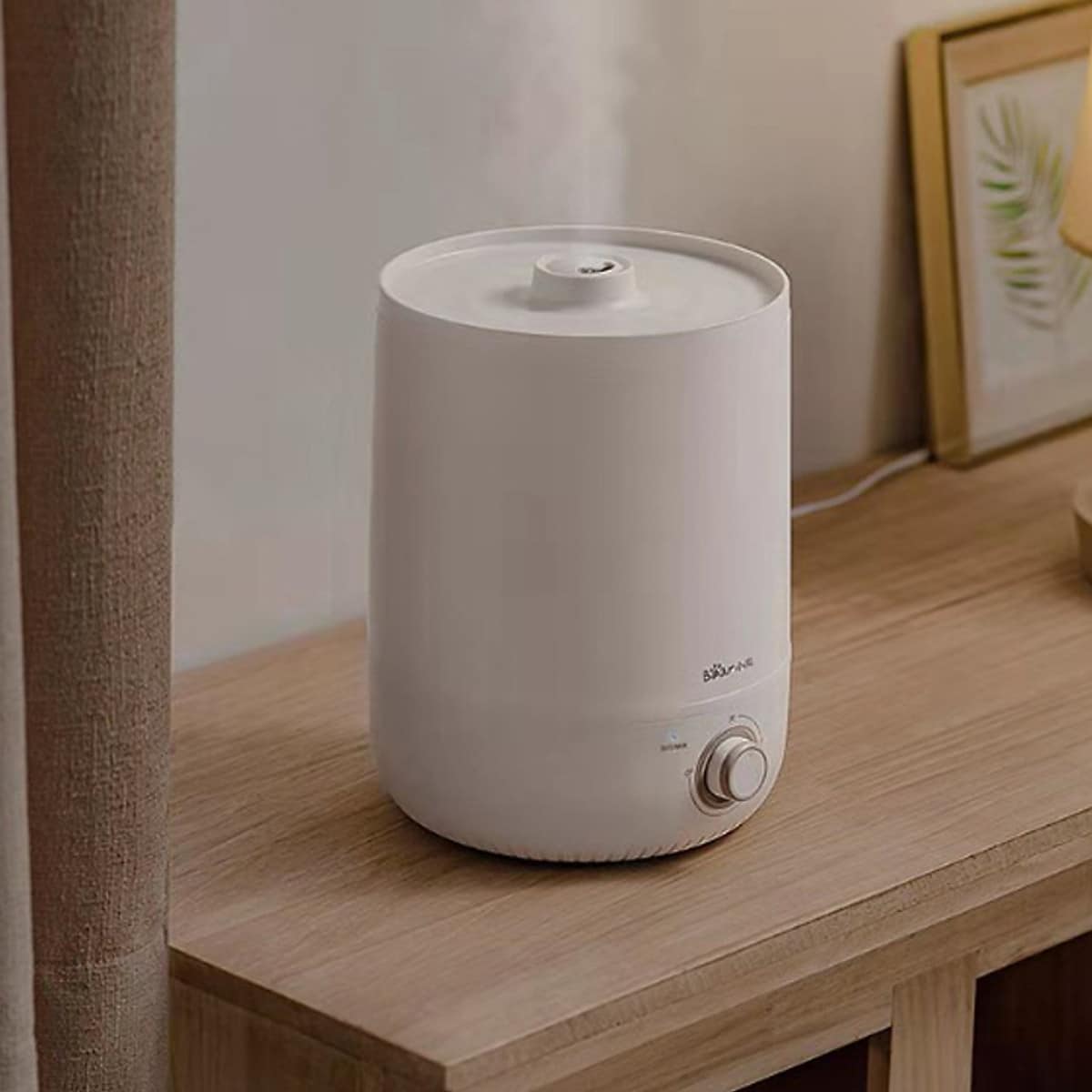
This is where a humidifier steps in as your personal hero. It’s a simple device with one core mission: to add a controlled amount of water vapor into the air, bringing the humidity up to a comfortable and healthy level. Here’s how that directly helps prevent those pesky nosebleeds.
- Keeps Nasal Passages Moisturized: This is the most direct benefit. A humidifier restores moisture to the air, which in turn hydrates your nasal passages. This prevents the delicate membranes from drying out, cracking, and becoming susceptible to bleeding.
- Strengthens Your Body’s First Line of Defense: The mucus in your nose isn’t just gross; it’s a critical part of your immune system, trapping dust, pollen, and germs. Dry air thickens this mucus, making it less effective. A humidifier keeps it at the right consistency, helping you fend off colds and sinus infections, which can also lead to irritation and nosebleeds.
- Promotes Faster Healing: If you do get a bloody nose, a humid environment can help the area heal more quickly. Moist air prevents scabs from becoming too dry and cracking open again, allowing the delicate tissue to repair itself without further disturbance.
- Reduces Snoring and Congestion: Dry air can inflame your sinuses and throat, leading to congestion and snoring. By soothing these airways, a humidifier can help you breathe more easily and sleep more soundly—a welcome bonus for you and anyone you share a room with.
What’s the Best Type of Humidifier for Nosebleeds?
Walking into the humidifier aisle can feel a bit overwhelming. Ultrasonic? Evaporative? Warm mist? Let’s break down the most common types so you can find the perfect fit. Each has its pros and cons, but frankly, any of them will be better than none when it comes to combating dry air.
Ultrasonic Humidifiers
These are incredibly popular and for good reason. They use high-frequency vibrations to break down water into a super-fine, cool mist.
- Pros: Extremely quiet (often near-silent), energy-efficient, and typically filter-free.
- Cons: They can produce a “white dust”—fine mineral deposits from tap water—that settles on furniture. Using distilled water completely solves this problem.
Evaporative Humidifiers
This type uses a fan to blow air through a wet wick or filter, causing the water to evaporate naturally into your room.
- Pros: Self-regulating (they won’t over-humidify a room), and the filter traps minerals, so there’s no white dust.
- Cons: The fan creates some white noise, and you’ll need to replace the filter periodically to prevent mold and bacteria buildup.
Steam Vaporizers (Warm Mist)
These models boil water to create a warm, soothing steam.
- Pros: The boiling process kills most bacteria and germs in the water. The warm mist can feel especially comforting if you also have a cold or cough.
- Cons: They use more energy and can be a burn risk for children or pets, so careful placement is crucial.
Here’s a quick comparison to help you decide:
| Feature | Ultrasonic Humidifier | Evaporative Humidifier | Steam Vaporizer (Warm Mist) |
|---|---|---|---|
| Noise Level | Very Quiet | Noticeable Fan Noise | Quiet Gurgling/Boiling |
| Mist Type | Cool Mist | Cool Mist (Invisible) | Warm Mist (Steam) |
| White Dust Risk | High (with tap water) | No | No |
| Filter Required | No | Yes (Wick Filter) | No |
| Energy Use | Low | Low to Medium | High |
| Best For | Bedrooms, quiet spaces | General use, hard water | Cold/flu season, extra comfort |
How to Choose and Use Your Humidifier for Maximum Relief
You’ve decided a humidifier is the right move. Great! Now, let’s make sure you get the most out of it. It’s not just about buying one; it’s about using it correctly.
What is the best humidity level for a bedroom?
The sweet spot for indoor humidity is between 40% and 60%. This is the ideal range to keep your nasal passages happy without creating an environment where mold or dust mites can thrive. Many humidifiers come with a built-in hygrometer (a humidity sensor) and an auto mode to maintain this level for you. If yours doesn’t, consider buying a cheap, separate hygrometer to monitor your room’s conditions.
Proper Cleaning is Non-Negotiable
An uncleaned humidifier can go from a health hero to a health hazard, dispersing mold or bacteria into the air. Don’t let that scare you; cleaning is easy if you stay on top of it.
- Daily Refresh: Empty the tank, wipe it dry, and refill with fresh water every day. Stagnant water is a breeding ground for germs.
- Weekly Deep Clean: Follow the manufacturer’s instructions. This usually involves descaling with white vinegar to remove mineral buildup and disinfecting with a diluted bleach or hydrogen peroxide solution.
- Rinse Thoroughly: After cleaning, rinse every part with plenty of water to remove any lingering chemicals before you use it again.
As Dr. Eleanor Vance, a leading Indoor Air Quality Specialist, often says, “A humidifier is a tool, and like any tool, its effectiveness and safety depend entirely on its maintenance. A clean humidifier is one of the best investments you can make for your respiratory health, especially if you’re prone to nosebleeds from dry air.”
What kind of water should I use in my humidifier?
For most humidifiers, especially ultrasonic models, using distilled or demineralized water is the gold standard. Tap water contains minerals that can create white dust, clog your machine, and even encourage bacterial growth. If you use an evaporative model, tap water is generally fine since the wick filter will trap most of these minerals.
Frequently Asked Questions (FAQ)
Q: How long does it take for a humidifier to help a bloody nose?
A: You can often feel a difference in the air within a few hours. For chronic bloody noses, it might take a few nights of consistent use for your nasal passages to fully rehydrate and heal, significantly reducing the frequency of bleeds.
Q: Can a humidifier ever make a nosebleed worse?
A: It’s highly unlikely. A nosebleed could only be worsened if the humidity level was set extremely high (above 60-70%), which could encourage mold growth and lead to different types of respiratory irritation. Sticking to the 40-60% range is perfectly safe and beneficial.
Q: Should I use a cool mist or a warm mist humidifier for nosebleeds?
A: For the sole purpose of preventing bloody noses, both are equally effective. The key is adding moisture to the air, and both types do that well. The choice comes down to personal preference. Cool mist is generally safer for homes with children, while warm mist can feel more comforting during a cold.
Q: Where is the best place to put a humidifier in a bedroom?
A: Place it on a small table or nightstand, at least a few feet away from your bed. You want the mist to disperse throughout the room, not blow directly on you or your bedding, which could make them feel damp. Also, keep it away from wooden furniture and electronics.
Q: Is it okay to run a humidifier all night?
A: Yes, absolutely! Running it overnight is the best way to ensure your airways stay moist while you sleep, which is when many people experience dryness and subsequent nosebleeds. Just be sure to use a model with an auto-shutoff feature for when the tank runs empty.
Your Final Step to a Nosebleed-Free Life
Living with the constant threat of a bloody nose is more than just an inconvenience; it’s a drain on your comfort and peace of mind. The good news is that the solution is often incredibly simple. By understanding the benefits of a humidifier for bloody noses, you’re empowering yourself to tackle the root cause—dry air—head-on.
Choosing the right model for your space and committing to simple, regular maintenance can transform your home into a haven of healthy humidity. It’s time to say goodbye to dry, irritated sinuses and hello to comfortable, clear breathing, day and night.