Bringing a new baby home is a whirlwind of joy, love, and… a surprising amount of worry. You’ve baby-proofed the outlets and softened every corner, but what about the air your little one is breathing? Finding the Best Humidifier For Baby And Nursery spaces isn’t just about comfort; it’s a crucial step in creating a healthy, soothing environment for them to thrive. Dry air, often an invisible guest in our homes, can be tough on a baby’s delicate respiratory system.
Are you up at night listening to tiny sniffles and a dry, hacking cough? Does your baby’s skin seem unusually dry or irritated? If you’re nodding along, you’re in the right place. We’re going to break down everything you need to know, cutting through the noise to help you choose a device that brings sweet, moisturized relief to your nursery.
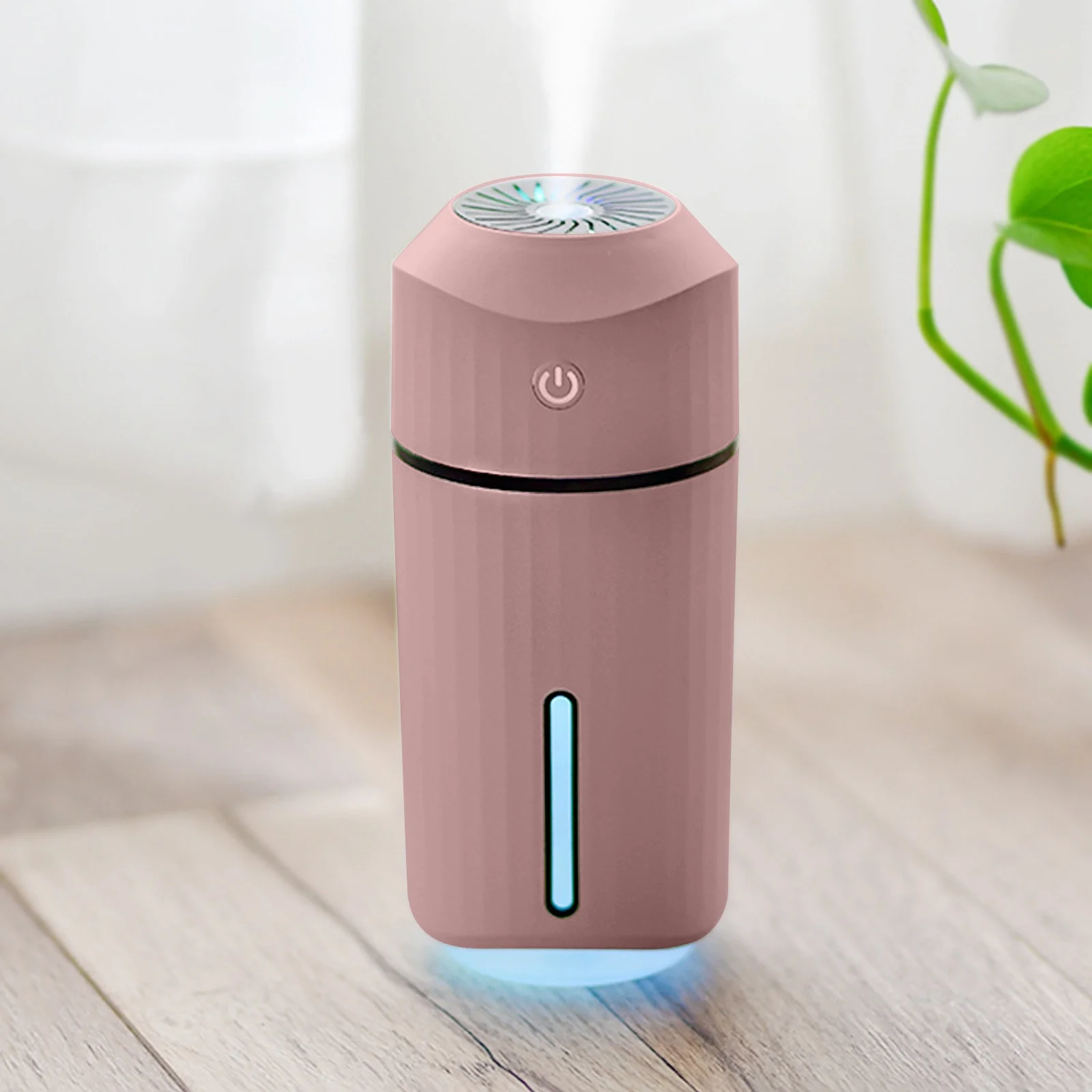
Why Your Little One’s Nursery Needs a Humidifier
Think of your baby’s tiny nasal passages. They’re incredibly sensitive. When the air is dry, especially during winter months with the heat blasting or in summer with the A/C running, the natural moisture in their airways can evaporate. This can lead to a host of uncomfortable issues.
A quality humidifier acts like a personal, localized rain shower for your baby’s room, maintaining an optimal humidity level—generally recommended to be between 40% and 60%.
Here’s what that means for your baby:
- Easier Breathing: Moist air helps soothe irritated nasal passages and thin mucus, making it easier for babies to breathe, especially when they have a cold or congestion. It’s a natural decongestant, without the medicine.
- Softer Skin: A baby’s skin is much thinner than an adult’s and loses moisture more quickly. A humidifier helps combat dry, flaky skin and can soothe conditions like eczema.
- Better Sleep: Who sleeps well with a stuffy nose and a scratchy throat? By alleviating these symptoms, a humidifier can lead to longer, more restful sleep for both baby and you. No more waking up to that dry, hacking cough.
- Reduces Airborne Viruses: Some studies suggest that viruses, like the flu, don’t travel as effectively in properly humidified air. Maintaining that 40-60% sweet spot can make the nursery a less friendly environment for airborne germs.
Cool Mist vs. Warm Mist: The Big Nursery Debate
This is one of the first, and most important, decisions you’ll make. While warm mist humidifiers have their place, when it comes to a baby’s room, the verdict is nearly unanimous among pediatric experts.
Cool mist is the way to go.
The American Academy of Pediatrics (AAP) recommends using a cool-mist humidifier to avoid any risk of burns. A curious toddler’s hands can reach a steam vent in a split second, and the hot water inside a warm mist unit poses a significant safety hazard. Cool mist models provide all the same humidifying benefits without the risk.
The Main Contenders: Ultrasonic vs. Evaporative Humidifiers
Once you’ve settled on cool mist, you’ll encounter two main types of technology. Neither is inherently “better,” but they work differently and have distinct pros and cons for a nursery environment.
Bảng trống.Ultrasonic Humidifiers
These are often the sleek, modern-looking ones. They use a high-frequency vibrating diaphragm to break water droplets into a fine, visible mist that is then quietly released into the room.
- Pros:
- Whisper-Quiet: They are incredibly quiet, which is a massive plus for a light-sleeping baby.
- No Filter Costs: Most models are filterless, meaning no ongoing replacement costs.
- Compact & Stylish: They often come in smaller, more aesthetic designs.
- Cons:
- “White Dust”: If you use hard water (water with high mineral content), they can release a fine white dust—the minerals from the water—into the air, which settles on furniture. While generally harmless, it can be an annoyance. Using distilled or demineralized water solves this problem completely.
- Requires Rigorous Cleaning: Since there’s no filter to trap impurities, bacteria or mold in the tank can be dispersed into the air with the mist. Diligent, regular cleaning is non-negotiable.
Evaporative Humidifiers
These are the workhorses. They use a fan to blow air through a moistened wick or filter. The air absorbs the moisture and releases it into the room. It’s a more natural, self-regulating process.
- Pros:
- No White Dust: The wick filter traps minerals from tap water, so you won’t have a white dust issue.
- Self-Regulating: They won’t “over-humidify” a room. The air will only absorb as much moisture as it can hold.
- Cleaner Mist: The filter also traps impurities, preventing them from being released into the air.
- Cons:
- Noisier: The internal fan creates a humming or “white noise” sound. For some babies, this is a bonus, but for others, it could be a disturbance.
- Ongoing Costs: You’ll need to replace the wick filter regularly (typically every 1-3 months) to prevent mold and bacteria growth.
- Can Feel Cool: The fan can create a slight cooling effect near the unit.
| Feature | Ultrasonic Humidifier | Evaporative Humidifier |
|---|---|---|
| Noise Level | Very Quiet | Noticeable Fan Noise (White Noise) |
| White Dust | Yes (with tap water) | No |
| Filter | Typically No | Yes (Requires Replacement) |
| Cleaning | Crucial and Frequent | Requires Regular Cleaning & Filter Change |
| Energy Use | Very Low | Low |
| Best For | Light sleepers; when using distilled water | Ease of use with tap water; white noise lovers |
Finding the Best Humidifier for Your Baby: Key Features to Look For
Beyond the core technology, several features can make or break your experience. Here’s a checklist of what to consider when choosing the best humidifier for baby and nursery use:
- Adjustable Mist Levels: Allows you to control the amount of moisture output. Start low and adjust as needed.
- Built-in Humidistat: This is a game-changer. A humidistat measures the room’s current humidity and automatically turns the unit on or off to maintain your desired level. This prevents over-humidification, which can lead to condensation and mold growth.
- Auto Shut-Off: A critical safety feature. The humidifier automatically powers down when the water tank is empty, protecting the motor from burning out.
- Tank Size & Run Time: A larger tank means fewer middle-of-the-night refills. Look for a model that can run for at least 12-24 hours on a low setting.
- Ease of Cleaning: This is paramount. Look for models with wide tank openings and fewer hard-to-reach nooks and crannies. The easier it is to clean, the more likely you are to do it regularly.
- Optional Nightlight: Some humidifiers come with a soft glow feature, which can be a comforting bonus. Just make sure it can be turned off if you prefer a pitch-black room.
- Essential Oil Tray: Warning: Never add essential oils directly to the water tank of a standard humidifier, as this can damage the unit and may not be safe for your baby’s lungs. If you want aromatherapy, choose a model with a dedicated, separate tray for oils.
The Golden Rule: How to Keep Your Nursery Humidifier Clean and Safe
An uncleaned humidifier is worse than no humidifier at all. A dirty tank can become a breeding ground for mold and bacteria, which are then pumped into your baby’s room.
“Think of a humidifier as a health device, not just an appliance,” advises Dr. Eleanor Vance, an Indoor Air Quality Specialist. “Its effectiveness and safety are directly tied to its cleanliness. A simple cleaning routine is the single most important thing a parent can do to ensure their baby is breathing clean, healthy, moisturized air.”
Follow this routine to keep things safe:
- Daily Rinse: Every day, empty the tank, rinse it thoroughly with water, and wipe it dry before refilling with fresh water. Never just top off old water.
- Weekly Disinfection: At least once a week, it’s time for a deeper clean. Unplug the unit first.
- Fill the tank with a solution of 1 part white vinegar to 3 parts water.
- Let it sit for at least 30 minutes to an hour to dissolve any mineral buildup.
- Use a small brush (many humidifiers come with one) to gently scrub the tank and base.
- Rinse all parts thoroughly with clean water until the vinegar smell is gone.
- Let all parts air dry completely before reassembling.
- Use the Right Water: To prevent mineral buildup (especially in ultrasonic models) and prolong the life of your unit, distilled or demineralized water is your best friend. If you must use tap water, be extra vigilant about weekly descaling with vinegar.
Frequently Asked Questions (FAQ)
Q: What is the ideal humidity level for a nursery?
A: The ideal relative humidity for a nursery is between 40% and 60%. You can monitor this with a simple, inexpensive device called a hygrometer. If you see condensation forming on the windows, the humidity is likely too high.
Q: Should I use tap water in my baby’s humidifier?
A: You can, but distilled or demineralized water is highly recommended. Tap water contains minerals that can create “white dust” in ultrasonic models and cause faster buildup in all types. Using purified water results in a cleaner mist and less frequent descaling.
Q: Can I add essential oils to a nursery humidifier?
A: No, unless the humidifier has a specific, separate compartment designed for essential oils. Most pediatricians advise against using strong essential oils in a baby’s room, as their respiratory systems are very sensitive. Always consult your pediatrician first.
Q: How often should I clean the humidifier?
A: You should rinse and refill the tank with fresh water daily. A thorough cleaning and disinfection with a vinegar solution should be done at least once a week to prevent the growth of mold and bacteria.
Q: Where is the best place to put a humidifier in a nursery?
A: Place the humidifier on a flat, waterproof surface at least two to three feet off the ground, like a dresser or a small table. Keep it several feet away from the crib, walls, and any wooden furniture to prevent direct mist from making bedding or surfaces damp.
The Takeaway: A Breath of Fresh Air
Choosing the best humidifier for baby and nursery comfort is a simple, powerful way to support your little one’s health and well-being. By opting for a cool-mist model, understanding the difference between ultrasonic and evaporative technologies, and committing to a regular cleaning schedule, you can turn your nursery into a perfectly balanced oasis. That quiet, comfortable breathing you’ll hear from the crib will be the best reward of all.