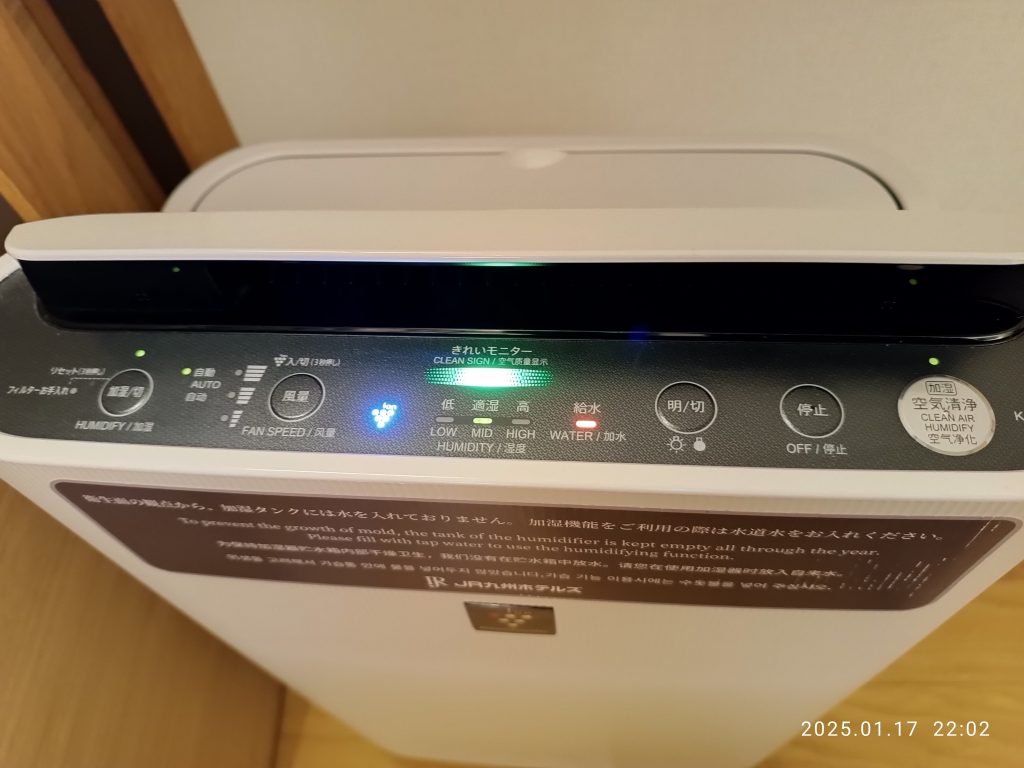
Quick Verdict: The best bedroom humidifiers balance whisper-quiet operation with genuine overnight runtime — because a unit that wakes you up or runs dry at 2 a.m. defeats the purpose. Based on independent expert assessments for 2026, the Levoit Classic 300S is the top overall pick for most bedrooms, while the Carepod One earns the top mark for ease of cleaning and the Pure Enrichment MistAire remains the go-to compact budget option for smaller rooms.
Best Bedroom Humidifiers at a Glance
| Award | Model | Best For | Tank / Runtime | Price Tier |
|---|---|---|---|---|
| Best Overall | Levoit Classic 300S | Most bedrooms, smart control | 6L / up to 60 hrs low | $$ Mid (~$60–$75) |
| Best Premium | Carepod One | Easy cleaning + performance | 4.5L / ~35 hrs low | $$$ Premium (~$150) |
| Best Budget | Pure Enrichment MistAire | Small bedrooms under 200 sq ft | 1.5L / ~25 hrs low | $ Budget (~$30–$40) |
| Best Ultra-Quiet | Homvana 3.6L | Light sleepers, nursery overflow | 3.6L / ~40 hrs low | $$ Mid (~$45–$55) |
| Best Low-Maintenance | Honeywell HUL520B MistMate | Filter-free simplicity | 1 gal / ~24 hrs | $ Budget (~$25–$35) |
| Best Value Smart | Levoit Dual 150 | Budget smart pick, small rooms | 2.5L / ~30 hrs low | $ Budget (~$35–$45) |
How We Chose These Bedroom Humidifiers
Bedroom humidifiers have a unique set of demands compared to general-purpose units. We synthesized published evaluations from RTINGS.com, Mommyhood101, CNN Underscored, Consumer Reports, and Blueair’s independent buyer resources, focusing on the criteria that matter most for overnight use:
- Noise level — Ultrasonic models operating under 30 dB on low are considered quiet enough for undisturbed sleep. We prioritized models confirmed below that threshold by independent measurement.
- Overnight runtime — A minimum of 8 hours on medium setting without refilling. Ideally 12+ hours for uninterrupted coverage through a full night.
- Coverage area — Matched to typical bedroom sizes: 150–400 sq ft for standard rooms, up to 600 sq ft for primary suites.
- Auto shut-off and humidity sensing — Units that stop automatically when the tank empties or target humidity is reached are safer and more efficient for overnight use.
- Ease of cleaning — Mineral buildup and mold risk are real concerns in ultrasonic humidifiers. We preferred wide-mouth tanks and dishwasher-safe components wherever documented.
The 6 Best Bedroom Humidifiers — Full Reviews
Best Overall — Levoit Classic 300S
Best for: Most standard bedrooms (up to ~500 sq ft) where smart scheduling and app control are genuinely useful overnight features.
The Levoit Classic 300S is one of the most consistently recommended ultrasonic bedroom humidifiers across independent review sources in 2026. Its 6-liter tank provides up to 60 hours of runtime on the lowest mist setting — meaning a full week between refills for many users running it only at night. On medium, runtime is approximately 20–25 hours, comfortably covering multiple nights. Ultrasonic operation sits below 30 dB on low, which independent evaluators characterize as comparable to a quiet whisper in the same room. The VeSync app integration allows scheduling mist cycles, setting target humidity (the built-in humidistat automatically maintains your chosen level), and enabling night mode that dims the display. A wide-mouth tank base simplifies cleaning, and the unit supports essential-oil diffusion via a dedicated aroma pad — not by adding oil directly to the water, which would damage the transducer.
Pros:
- 6L tank delivers multi-night runtime without refilling
- Built-in humidistat stops output automatically at target humidity
- App control via VeSync for scheduling and monitoring
- Under 30 dB on low — documented quiet performance
- Aroma diffusion without oil-in-water contamination risk
Cons:
- White dust from ultrasonic operation is possible with hard tap water — distilled or filtered water recommended
- Display light, while dimmable, may not suit very light sleepers even at minimum
- App setup requires account creation in the VeSync ecosystem
Best Premium — Carepod One
Best for: Buyers who prioritize hygiene and minimal cleaning effort and are willing to pay a premium for a genuinely easy-to-maintain design.
The Carepod One is rated the best overall humidifier by RTINGS.com for 2026, with bedroom use as its primary strength. Its standout feature is a stainless-steel water reservoir — a meaningful difference from plastic tanks that can harbor biofilm over time. The entire humidifying path is designed to be rinsed without tools, reducing the barrier to the frequent cleaning that keeps ultrasonic humidifiers hygienic. Coverage is rated for any typical bedroom size, and runtime on low is approximately 35 hours from the 4.5-liter tank. Noise levels are consistently described as very low in published reviews, making it suitable for even light sleepers.
Pros:
- Stainless-steel reservoir reduces biofilm and mineral staining compared to plastic
- Tool-free cleaning path lowers the barrier to regular maintenance
- Top-rated for bedroom performance by RTINGS.com
- Very quiet operation suitable for light sleepers
Cons:
- Premium price (~$150) is significantly above mid-range alternatives with similar mist output
- No app control or smart home integration at this price tier
- 4.5L tank is smaller than the Levoit Classic 300S, meaning more frequent refills for heavy users
Best Budget — Pure Enrichment MistAire
Best for: Small bedrooms under 200 sq ft where a compact, affordable, no-fuss humidifier is all that’s needed.
The Pure Enrichment MistAire is a compact ultrasonic cool-mist humidifier that has earned consistent recommendations across budget-focused buyer guides for several years. Its 1.5-liter tank runs approximately 25 hours on the lowest setting — enough to cover a full night reliably — and the unit operates at a sound level described by independent reviewers as a soft, consistent background hum, appropriate for sleeping. It is not a feature-rich device: there is no humidistat, no app, and no scheduling. For a small bedroom where the goal is simply adding moisture quietly through the night, those omissions rarely matter in practice. The 360-degree rotating nozzle allows directing mist away from the bed or toward specific areas. A two-year warranty from Pure Enrichment adds meaningful purchase confidence at this price tier.
Pros:
- Compact and affordable (~$30–$40) — genuine value for small spaces
- 25-hour low-setting runtime covers multiple nights
- Quiet operation consistent with published noise comparisons at this tier
- 360-degree nozzle for directional mist control
- Two-year warranty — above average for the price
Cons:
- No humidistat — unit runs continuously regardless of room humidity level
- 1.5L tank too small for rooms above ~200 sq ft; coverage is limited
- No smart features or scheduling options
Best Ultra-Quiet — Homvana 3.6L
Best for: Light sleepers and white-noise-sensitive users who want the lowest possible operating sound.
The Homvana 3.6L is noted by independent reviewers as producing approximately 23 dB on its lowest setting — genuinely among the quietest ultrasonic models in the category. It doubles as an aroma diffuser and includes a soft ambient mood light, making it a three-function bedside device. The 3.6-liter tank provides approximately 40 hours of runtime on low. Controls are straightforward with no app dependency, which some bedroom users prefer for a simpler night-table experience. The unit includes auto shut-off when the tank is empty.
Pros:
- 23 dB on low is among the lowest noise levels documented for an ultrasonic bedroom humidifier
- Aroma diffuser and mood light integrated — fewer bedside devices needed
- 40-hour low-setting runtime is solid for the 3.6L tank size
- Simple controls, no app required
Cons:
- No built-in humidistat — does not auto-stop at target humidity
- Mood light, while soft, adds a minor light source if your bedroom needs to be completely dark
- 3.6L coverage tops out at roughly 300 sq ft — not suited to large primary suites
Best Low-Maintenance — Honeywell HUL520B MistMate
Best for: Users who want filter-free operation with minimal setup — fill the tank, place it on the base, and leave it.
The Honeywell HUL520B MistMate is a filterless cool-mist ultrasonic humidifier specifically called out in bedroom buyer guides for its clean, minimal design and quiet operation. There are no filters to replace — a running cost and maintenance point that matters over months of use. Tank capacity is approximately 1 gallon (3.8L), with a runtime near 24 hours on low. Controls are physical and simple. The unit is specifically flagged for bedroom suitability in multiple independent guides due to its quiet fan-free ultrasonic mechanism. It is not a smart device and does not include a humidistat.
Pros:
- Filter-free design eliminates ongoing filter replacement cost
- Simple controls — minimal setup, nothing to configure
- Quiet ultrasonic operation confirmed in bedroom-use reviews
- Compact footprint for a nightstand or dresser placement
Cons:
- No humidistat — no automatic humidity regulation
- No smart features or app control
- 1-gallon tank requires daily refilling for users running on medium or higher settings
Best Value Smart — Levoit Dual 150
Best for: Small bedroom users who want app-based scheduling and smart features without spending above $45.
The Levoit Dual 150 brings VeSync app integration into the sub-$45 price bracket. Its 2.5-liter tank runs roughly 30 hours on low, adequate for small bedrooms up to approximately 200 sq ft. App scheduling lets users set the humidifier to run only while sleeping, which both conserves water and avoids over-humidifying when the room is unoccupied during the day. It supports voice control via Alexa and Google Assistant. Build quality is consistent with Levoit’s broader lineup and the two-year warranty applies.
Pros:
- App and voice control at a budget price point — rare combination under $45
- VeSync scheduling allows precise overnight operation windows
- Alexa and Google Assistant compatibility
- Two-year warranty provides purchase confidence
Cons:
- 2.5L tank limits coverage to small bedrooms; not suitable for rooms above ~200 sq ft
- No built-in humidistat — does not auto-maintain a set humidity level
- App account required for smart features
Bedroom Humidifier Buying Guide
What Humidity Level Should a Bedroom Be?
The EPA and most HVAC professionals recommend maintaining indoor relative humidity between 30% and 50%. In winter when heating systems dry out indoor air, bedrooms frequently drop below 25% RH. Sleeping in very dry air is associated with dry nasal passages, irritated skin, and exacerbated snoring. Raising bedroom humidity to 40–45% RH is a commonly cited comfortable target — enough to alleviate dry-air symptoms without creating condensation on windows or walls. A unit with a built-in humidistat that maintains a set level automatically is more efficient than running a unit continuously and risking over-humidification, which can encourage mold growth above 60% RH.
Ultrasonic vs. Evaporative for Bedrooms
Ultrasonic humidifiers dominate the bedroom category for one primary reason: they are quieter. They use a vibrating diaphragm to break water into fine droplets, creating mist without a fan on high speed. Evaporative humidifiers use a fan to blow air through a wet wick, which produces a self-regulating humidity output (they slow naturally as room humidity rises) but generate audible fan noise. For most bedrooms, ultrasonic cool mist is the practical choice. The trade-off: ultrasonic units can deposit white mineral dust from hard water — using distilled or filtered water eliminates this issue entirely.
Tank Size and Runtime
For a standard 200–350 sq ft bedroom, a 3–4L tank running on low will typically last 12–20 hours — enough for two or more nights before refilling. For larger bedrooms above 400 sq ft, a 6L tank is worth the investment to avoid nightly trips to the tap. Runtime figures from manufacturers are almost always measured at the lowest mist setting; running on medium will roughly halve the stated duration. Cross-referencing manufacturer claims with independent test data (such as RTINGS.com runtime tests) provides more realistic expectations.
Noise: What Do the Decibel Numbers Mean?
Ultrasonic humidifiers on their low settings typically range from 23 dB to 38 dB. For reference: 30 dB is roughly equivalent to a quiet library or soft whisper at 10 feet. At 23 dB, a unit is virtually inaudible once you are settled in bed. At 38 dB, a unit produces a faint hiss that some sleepers find neutrally present or even prefer as light white noise. Models above 40 dB on low are generally considered unsuitable as primary bedroom humidifiers for noise-sensitive sleepers.
White Dust: Should You Worry?
White dust is a harmless mineral residue that ultrasonic humidifiers can deposit on nearby surfaces when hard (mineral-rich) tap water is used. It is not toxic — it is the same calcium and magnesium that is in your tap water — but it does settle on furniture, electronics, and dark surfaces. The solution is straightforward: use distilled water or a demineralization cartridge (some models include one). If you have very hard water, this is worth planning for before purchase. Evaporative humidifiers do not produce white dust because minerals stay in the wick and are not dispersed into the air.
Frequently Asked Questions
Should I run a humidifier all night in my bedroom?
Running a humidifier all night is generally safe if the unit has an automatic shut-off and preferably a humidistat to maintain a target humidity level. Without humidity regulation, continuous overnight running can raise bedroom humidity above 60% in smaller rooms, which creates conditions favorable for mold and dust mites. Units with built-in humidity sensors that stop output at a set level (like the Levoit Classic 300S) are the better choice for unattended overnight use.
Where should I place a humidifier in the bedroom?
Place the humidifier on a raised surface (nightstand or dresser, not the floor) at least 3 feet from your bed and away from electronics. Moisture disperses upward and outward from the nozzle; proximity to your face can feel uncomfortable and may increase condensation on bedding. Position the nozzle so mist is directed into open air, not toward walls, curtains, or wood furniture. Avoid placing units on carpet, which can become damp beneath the base.
How often should I clean a bedroom humidifier?
Most manufacturers recommend a weekly light rinse and a monthly deeper clean with a diluted white vinegar solution to remove mineral scale. The shorter the interval between cleanings, the less effort each cleaning requires. Neglecting cleaning allows biofilm and mold to develop inside the tank and water path, which can then be distributed into the bedroom air. Models with wide-mouth tanks and stainless-steel reservoirs (like the Carepod One) make this significantly easier.
Is a cool mist or warm mist humidifier better for sleep?
Cool mist ultrasonic models are the most common recommendation for bedrooms because they do not raise room temperature and operate more quietly than warm mist vaporizers. Warm mist units boil water to produce steam — the boiling is inherently quieter than a fan, but the slight heat output and higher power draw make them less practical for full-night bedroom use in most climates. During very cold winters, the gentle warmth from a warm mist unit can be a minor comfort advantage.
Do humidifiers help with snoring?
Low indoor humidity dries out nasal passages and throat tissue, which can worsen vibration-related snoring in some people. Raising bedroom humidity to 40–50% RH is commonly recommended by sleep medicine resources as one environmental factor that may reduce mild snoring caused by dry-air irritation. A humidifier is not a treatment for obstructive sleep apnea, which requires medical evaluation. For snoring with a known dryness component, a bedroom humidifier is a low-risk, low-cost environmental adjustment worth trying.
For a complete overview of the top humidifiers across all categories, see our Best Humidifiers (2026) guide.