We’ve all been there. You go to refill your trusty humidifier, the very machine that saves your skin and sinuses every winter, and you spot it: a little bit of grime, a faint musty odor, or that dreaded pinkish film. Your first instinct is to reach for the strongest cleaner under your sink to obliterate any lurking germs. This leads you to a very important question: Can I Clean My Humidifier With Bleach? It’s a question we hear all the time, and while the urge to deep-clean is a good one, this is where we need to press pause.
The short answer is that using bleach is a risky move that we at Humidifiert strongly advise against. While a heavily diluted bleach solution is sometimes mentioned as a last-resort disinfectant by some manufacturers, the potential dangers to both your health and your device often outweigh the benefits. Are you dealing with dry, itchy skin or a scratchy throat, only to potentially replace it with respiratory irritation from chemical fumes? Let’s break down why you should skip the bleach and what to do instead for a safe, effective clean.
The Big Question: Why You Should Think Twice About Bleach
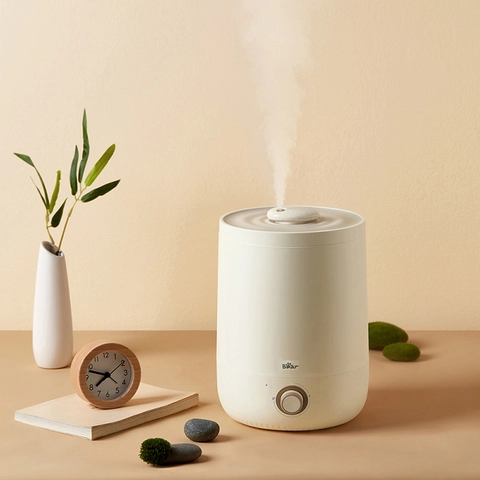
Think of your humidifier as a tiny cloud-making machine for your room. Whatever you put into it, including cleaning residues, has the potential to be aerosolized and spread into the air you breathe. That’s the main reason we need to be extra careful.
Health Risks: The Fumes Are a Major No-Go
The most significant concern with using bleach is the potential for inhaling harmful fumes. Chlorine bleach is a powerful chemical that can irritate the respiratory system, eyes, and skin.
“When you run a humidifier, you’re atomizing water—and anything in it—into microscopic droplets you then breathe in,” explains Dr. Eleanor Vance, an Indoor Air Quality Specialist. “Bleach residue, even in small amounts, can become an airborne irritant. For individuals with asthma, allergies, or other respiratory sensitivities, this can be particularly problematic, potentially triggering coughing, wheezing, or shortness of breath.”
Even if you rinse the tank thoroughly, it’s difficult to guarantee that all residue is gone. It’s simply not a risk worth taking for your lung health.
Damage to Your Humidifier
Your humidifier is likely made of various types of plastic, rubber seals, and in the case of an ultrasonic humidifier, a delicate nebulizer membrane. Bleach is a corrosive substance that can degrade these materials over time.
- Plastic Degradation: It can make plastic components brittle, leading to cracks and leaks.
- Seal Damage: Rubber gaskets and seals that keep the water contained can become hardened and lose their effectiveness.
- Component Failure: For ultrasonic models, bleach can damage the sensitive vibrating diaphragm responsible for creating the mist.
Using bleach could inadvertently shorten the lifespan of your appliance, forcing you to buy a new one sooner than you’d like.
The Problem with Mixing
Here’s a critical safety warning: never, ever mix bleach with other cleaning agents, especially ammonia or acidic cleaners like vinegar. Mixing bleach and acid creates toxic chlorine gas, which is extremely dangerous to inhale. Since vinegar is our recommended cleaning hero, it’s best to keep bleach out of the equation entirely to avoid any accidental and hazardous chemical reactions.
The Safer, Expert-Approved Cleaning Method
So, if bleach is off the table, how do you effectively clean and disinfect your humidifier to prevent mold and bacteria buildup? The answer is simple, cheap, and probably already in your pantry: white vinegar.
Distilled white vinegar is a fantastic natural disinfectant. Its acidic nature is tough on mold and bacteria but gentle on your humidifier’s components and, most importantly, safe for you when used correctly.
Here is our step-by-step guide to a perfectly clean humidifier:
- Safety First: Unplug and Disassemble. Before you do anything else, make sure your humidifier is unplugged from the wall. Empty any remaining water from the tank and base. Disassemble all removable parts—the tank, the mist nozzle, and any other pieces according to your user manual.
- The Vinegar Soak. Place the smaller components in the base or a separate bowl. Fill the water tank and the base (the reservoir area) with a solution of one part distilled white vinegar and one to two parts water. You want enough solution to cover the areas where water normally sits.
- Let It Sit. Allow the vinegar solution to soak for at least 30 minutes to an hour. This gives the acetic acid time to work its magic, breaking down mineral deposits (that chalky white dust buildup) and killing mold spores and bacteria.
- The Gentle Scrub. After soaking, pour out the vinegar solution. Use a soft-bristled brush (an old toothbrush works wonders) or a sponge to gently scrub the inside of the tank and the base. Pay special attention to any nooks and crannies where buildup can hide.
- Rinse, Rinse, and Rinse Again. This step is crucial. Thoroughly rinse all components with cool, clean water until the smell of vinegar is completely gone. You may need to rinse each part two or three times. You don’t want your room smelling like a salad, and you want to ensure all loosened grime is washed away.
- Dry Completely. Use a clean, dry cloth to wipe down all the parts. Then, let them air dry completely before reassembling the unit. A damp environment is a breeding ground for mold, so ensuring everything is bone-dry is your best defense against future growth.
A Proactive Approach: Keeping Your Humidifier Clean Longer
The best way to deal with a dirty humidifier is to prevent it from getting dirty in the first place. A little bit of routine maintenance goes a long way.
- Use the Right Water: If you live in an area with hard water, you’ve probably seen the fine white dust that can settle on furniture. This is mineral residue from the water. Using distilled or demineralized water is the single best thing you can do to prevent mineral buildup and reduce the frequency of deep cleans.
- Daily Refresh: Don’t let water sit in your humidifier for days on end. Empty the tank and base daily and give them a quick rinse and wipe before refilling with fresh water.
- Weekly Deep Clean: Make the vinegar-soaking process a weekly ritual, especially during seasons of heavy use. Consistency is key.
- Proper Storage: When the humid season returns and you’re ready to put your humidifier away, give it one final, thorough cleaning and make sure it is completely dry before storing it in a clean, dry place.
FAQs: Your Humidifier Cleaning Questions Answered
How often should I clean my humidifier?
For optimal performance and air quality, you should perform a deep clean with vinegar at least once a week. A daily rinse and refill with fresh, distilled water is also highly recommended.
What causes the pink mold in my humidifier?
That pink or reddish slime is a common airborne bacterium called Serratia marcescens. It thrives in damp environments. Regular weekly cleaning with white vinegar is highly effective at preventing it from taking hold.
Is it okay to use tap water in my humidifier?
You can, but it’s not ideal, especially if you have hard water. Tap water contains minerals that get dispersed as white dust and can build up inside your machine, requiring more frequent and difficult cleaning. Distilled water is the best choice.
Can I put essential oils in my humidifier?
Unless your humidifier is specifically designed with an essential oil tray or diffuser function, you should not add oils directly to the water tank. The oils can degrade the plastic and clog the internal components of standard humidifiers.
So, can I ever clean my humidifier with bleach?
We stand by our recommendation to avoid it. However, if your manufacturer’s manual explicitly gives instructions for using a highly diluted bleach solution (e.g., 1 teaspoon of bleach per gallon of water) for sanitizing, and you choose to do so, follow their instructions exactly. Rinse the components multiple times afterward until there is absolutely no bleach odor remaining before letting them air dry completely.
Your Health is Worth the Effort
Maintaining your humidifier isn’t just about protecting your investment; it’s about protecting your health. The goal is to add clean, healthy moisture to your air, not a cocktail of bacteria, mold, or chemical residues. By ditching the harsh chemicals and adopting a simple, regular cleaning routine with white vinegar, you ensure your device runs efficiently and safely for years to come. Now that you know the answer to “can I clean my humidifier with bleach,” you can confidently care for your machine the right way, breathing easier and healthier in your perfectly humidified home.