Ever walk into a room and it just feels… right? The air is comfortable, easy to breathe, and carries a faint, calming scent. It’s a feeling we all chase, especially when battling the misery of dry winter air or the constant chill of air conditioning. A humidifier is a game-changer for tackling that dry air, but what about the scent? It’s so tempting to add a few drops of lavender or eucalyptus to the tank. This leads to one of the most common questions we get: Can You Put Essential Oils In Any Humidifier?
The short answer is a firm no, and doing so can be a costly mistake for both your device and potentially your health. But don’t worry. As your trusted experts at Humidifiert, we’re here to break down exactly why, which devices are safe, and how you can get the best of both worlds: perfect humidity and beautiful aromas.
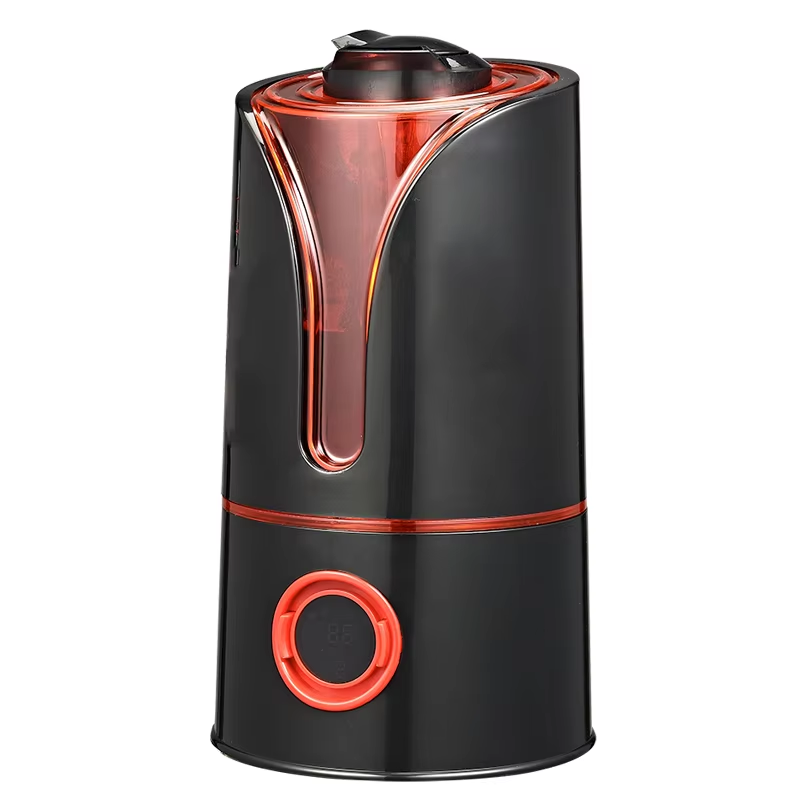
The Big “Why”: Oil and Water (and Plastic) Don’t Mix
You might be thinking, “It’s just a little oil, what’s the big deal?” Well, think of it like putting diesel in a gasoline-powered car. It might seem like a similar fuel, but the internal mechanics just aren’t designed to handle it, leading to serious damage. The same principle applies here.
Here’s the deal on why you shouldn’t add oils to a standard humidifier:
- Material Degradation: Most humidifiers, especially the popular ultrasonic models, have water tanks and internal components made from a specific type of plastic (like ABS plastic). Essential oils are potent, concentrated compounds. Over time, they can corrode, soften, or crack these plastic parts, causing leaks and irreparable damage.
- Clogging the Mechanism:
- In ultrasonic humidifiers, oils can gunk up the vibrating diaphragm that creates the cool mist.
- In evaporative humidifiers, oils can coat the wick filter, making it less absorbent and promoting mold growth. This essentially ruins the filter and stops the unit from working effectively.
- Health Concerns: Humidifiers are designed to create a fine mist of pure water to hydrate the air. They aren’t built to diffuse oil properly. The oil can get dispersed in uneven, larger droplets, or worse, the heat from some components (even in “cool mist” models) could alter the chemical makeup of the oil, which you then breathe in.
- Voiding Your Warranty: This is a big one. Almost every manufacturer will explicitly state in their user manual that adding anything other than water (especially oils, minerals, or salts) will void the warranty. If your unit breaks down, you’ll be out of luck.
Humidifier vs. Diffuser: Understanding the Key Differences
A lot of the confusion comes from the fact that humidifiers and diffusers can look similar and both produce a mist. But they are fundamentally different tools designed for different jobs.
| Feature | Humidifier | Essential Oil Diffuser |
|---|---|---|
| Primary Purpose | To add moisture to the air and increase relative humidity. | To disperse essential oil aromas into the air (aromatherapy). |
| Mechanism | Uses wicks, fans, or ultrasonic vibration to turn water into vapor/mist. | Specifically designed to break down essential oils into micro-particles. |
| Materials | Made of plastics not resistant to corrosive oils. | Made from oil-resistant plastics (like polypropylene – PP). |
| Water Tank | Typically large (1 gallon or more) to run for many hours. | Much smaller, designed for a few hours of diffusion. |
Simply put, a humidifier’s job is to combat dry air and its symptoms (dry skin, bloody noses, static shock). A diffuser’s job is aromatherapy.
A Word From Our Expert
“Think of it this way,” says Dr. Eleanor Vance, an Indoor Air Quality Specialist. “Essential oils are powerful, volatile organic compounds. While beneficial in aromatherapy, their corrosive nature can degrade the very plastics and gaskets that standard humidifiers rely on for a watertight seal. Diffusers are engineered from the ground up with oil-resistant materials, ensuring both the longevity of the device and the safe dispersal of the aroma.”
So, Which Humidifiers Can You Use Oils In?
Now for the good news! The industry has recognized that people want both functions. This has led to the rise of hybrid devices and special features. If you want to use essential oils, you need a device specifically designed for it.
Humidifiers with Essential Oil Trays
This is the most common and safest option. These are fully functional humidifiers that have a small, separate compartment—usually a little tray or a pad—where you can add a few drops of essential oil.
How it works: The humidifier’s fan blows air across this tray, gently carrying the scent and mixing it with the humidified mist after it has been created. The oil never comes into contact with the water tank or the internal working parts. This is the perfect solution for getting a light, pleasant scent without risking your machine.
2-in-1 Humidifier and Diffuser Combos
These are true hybrid devices built to handle both tasks. Their internal components and water tanks are typically made from oil-resistant plastics, just like a standard diffuser. They give you the flexibility to use them as a powerful humidifier, a diffuser, or both at the same time. While they can be more expensive, they offer an all-in-one solution.
What if I Already Put Oil in My Humidifier? A Rescue Guide
Okay, let’s say you’re reading this a little too late and you’ve already added a few drops to your standard unit. Don’t panic! Here’s what you should do immediately to try and mitigate the damage:
- Unplug the Unit: Safety first. Always disconnect the device from power before cleaning.
- Empty the Tank: Pour out all the water from the tank and the base.
- Clean Thoroughly: This is the most critical step.
- Fill the tank with a solution of one part white vinegar to two parts water. Let it sit for at least 30-60 minutes to help break down the oily residue.
- Use a soft brush or cloth to gently scrub the inside of the tank and the base, paying special attention to any nooks and crannies.
- Rinse every component thoroughly with clean water until the vinegar smell is gone. You may need to rinse it several times.
- Air Dry Completely: Let all the parts air dry completely before reassembling the unit. This helps prevent any lingering moisture from turning into mold or mildew.
Please note: While this cleaning process can help, some damage to the plastic might already be done. Keep a close eye on your humidifier for any signs of cracking or leaking.
Frequently Asked Questions (FAQ)
Here are some of the most common follow-up questions we receive about this topic.
Q: Can I put Vicks VapoRub or other medicated inhalants in my humidifier?
A: No, for the same reasons as essential oils. The petroleum-based ingredients in products like Vicks can damage the plastic and clog the machine. Instead, use a dedicated steam vaporizer or warm mist humidifier that is specifically designed to be used with medicated inhalant pads.
Q: What happens if I put essential oils in my ultrasonic humidifier?
A: Ultrasonic humidifiers are particularly vulnerable. The oil can damage the plastic tank and, more importantly, can create a film on the ultrasonic membrane. This reduces its ability to vibrate effectively, leading to lower mist output and eventual failure of the unit.
Q: Are there any “natural” scents I can add to my humidifier, like lemon juice?
A: It’s best to stick to pure, distilled water. Even natural substances like lemon juice are acidic and can damage the humidifier’s components or encourage the growth of bacteria over time.
Q: How do I know if my humidifier has an essential oil tray?
A: Check the user manual first—it will always be mentioned there. Visually, look for a small, pull-out tray or a compartment with a sponge-like pad, usually located near the mist outlet or on the base of the unit. It will be distinctly separate from the main water tank.
Q: Will essential oils in a humidifier help with my cough or cold?
A: While some oils like eucalyptus are known for their respiratory benefits, the best way to inhale them for relief is through a dedicated diffuser or by adding them to a bowl of hot water for steam inhalation. A humidifier’s main role in helping a cough is by keeping your airways moist with water vapor, which soothes irritation.
Your Home, Your Air, Your Choice
At the end of the day, creating a comfortable and healthy home environment is the ultimate goal. A humidifier is an incredible tool for maintaining optimal relative humidity (ideally between 40-60%) to protect your health, your skin, your furniture, and even your plants from the damaging effects of dry air.
While it’s tempting to turn your humidifier into a do-it-all aroma machine, the risks just aren’t worth it. Understanding the clear answer to can you put essential oils in any humidifier empowers you to make the right choice. Protect your investment, ensure your air is clean, and use the right tool for the right job. If you love aromatherapy, invest in a dedicated diffuser or a specially designed 2-in-1 humidifier. Your lungs, and your humidifier, will thank you.