Waking up with a scratchy throat, dry skin, and that stuffy feeling is no one’s idea of a good morning. A great humidifier can be a game-changer, transforming your dry, stale indoor air into a comforting, moisture-rich oasis. But with that comes the constant thought: “Is this thing clean?” You’ve probably seen a dozen life hacks online suggesting clever ways to keep mold and bacteria at bay. This might have you wondering, Can You Put Hydrogen Peroxide In A Humidifier to disinfect the machine and the air?
It’s a question that makes a lot of sense on the surface. After all, hydrogen peroxide is a well-known disinfectant. But when it comes to aerosolizing it into the air you breathe, the answer is a clear and resounding no. While it’s a useful cleaner for the device itself when it’s turned off, running your humidifier with hydrogen peroxide in the water tank is a dangerous idea. Let’s break down exactly why this popular “hack” can do more harm than good and what you should be doing instead.
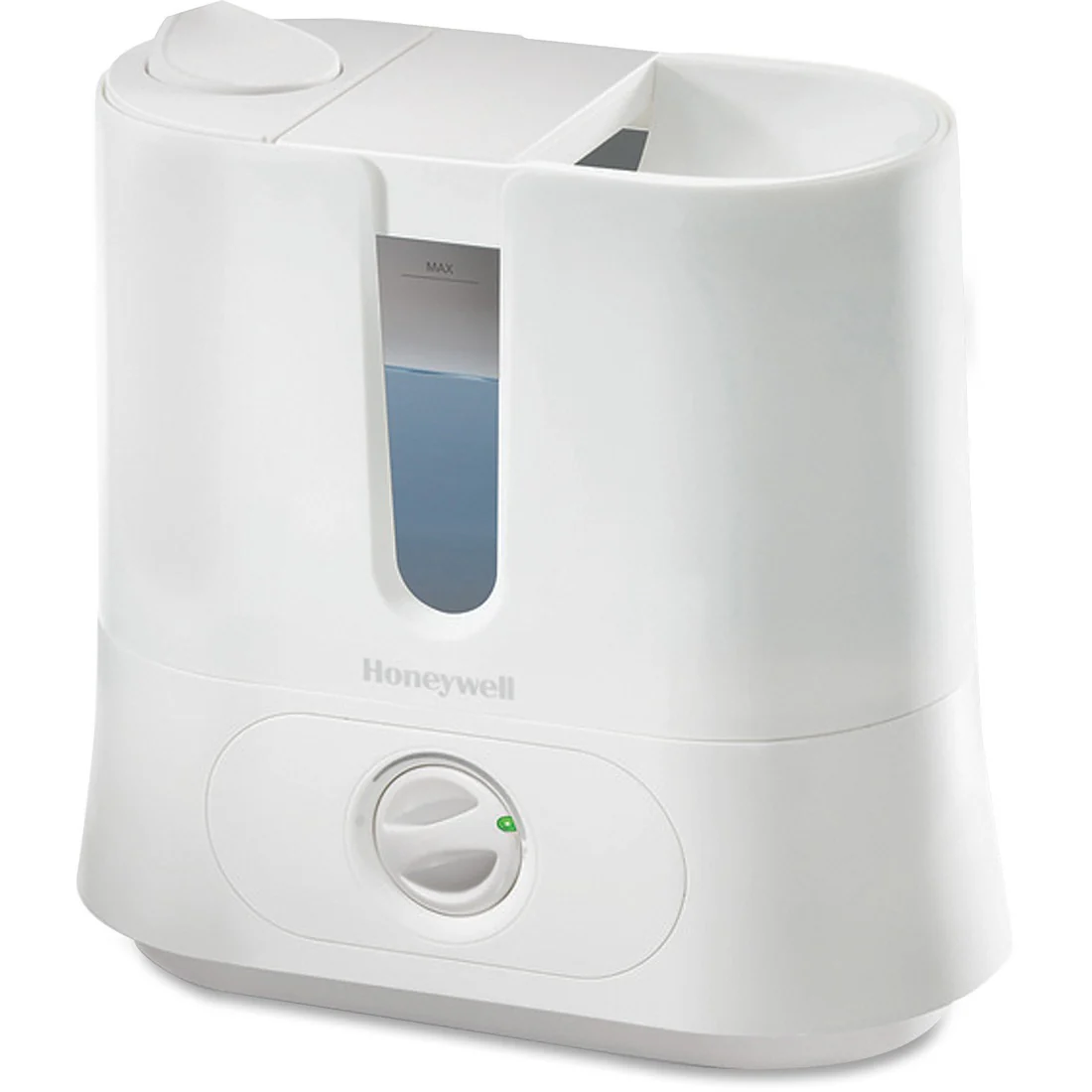
The Big Risk: Why Inhaling Hydrogen Peroxide Is a Bad Idea
Think of your humidifier, especially an ultrasonic model, as a micro-particle delivery system. It doesn’t just boil water to create steam; it uses high-frequency vibrations to blast tiny water droplets into the air. If you add hydrogen peroxide to the tank, you aren’t just humidifying your room—you’re sending microscopic droplets of a chemical irritant directly into the air you and your family are breathing.
Hydrogen peroxide (H₂O₂) is a powerful oxidizing agent. That’s what makes it so effective at killing germs on surfaces. However, your lungs, throat, and eyes are not “surfaces” you want to disinfect this way.
Here’s what can happen when you inhale aerosolized hydrogen peroxide:
- Respiratory Irritation: It can cause inflammation and irritation in your throat, nasal passages, and lungs. This can lead to coughing, a burning sensation, and shortness of breath. For individuals with asthma or other respiratory conditions, this can be particularly dangerous.
- Eye and Skin Irritation: The fine mist can also irritate your eyes and skin, causing redness and discomfort.
- Potential for Damage: Over time, continuous exposure to chemical irritants can have long-term effects on your respiratory health.
“Dispersing chemicals not intended for inhalation into your living space is playing with fire,” warns Dr. Eleanor Vance, an Indoor Air Quality Specialist. “Humidifiers are designed for one thing: water. Introducing substances like hydrogen peroxide into the mist fundamentally changes what you’re breathing, turning a health tool into a potential health hazard.”
The Right Way to Clean: Your Humidifier Maintenance Playbook
So, if you can’t just dump in a disinfectant and let it run, how do you actually keep your humidifier from becoming a breeding ground for mold and bacteria? It’s all about a simple, consistent cleaning routine. Neglecting this is one of the biggest mistakes humidifier owners make.
Your Weekly Cleaning Routine
For the best results, you should give your humidifier a good cleaning at least once a week. It sounds like a chore, but it only takes a few minutes.
- Unplug and Disassemble: Safety first! Always unplug the unit from the wall. Empty any remaining water from the tank and base. Disassemble all removable parts.
- The Vinegar Soak: White vinegar is your best friend here. It’s a natural disinfectant that’s great at breaking down mineral deposits (that chalky buildup from hard water). Fill the base and/or tank with a solution of one part white vinegar to one part water. Let it sit for at least 30-60 minutes to loosen any gunk.
- Scrub-a-Dub-Dub: After soaking, use a soft-bristled brush or a sponge to gently scrub the inside of the tank and the components in the base. Get into all the nooks and crannies where slime and mold love to hide. An old toothbrush works wonders for this.
- Rinse Thoroughly: This step is crucial. You need to rinse every part with clean water until the vinegar smell is completely gone. You don’t want your room smelling like a salad dressing.
- Dry Completely: Before you reassemble and store it, let all the parts air dry completely. A damp humidifier is an open invitation for mold to return.
What About Deep Disinfection?
This is where hydrogen peroxide can play a role—but only as a cleaning agent when the machine is off. The U.S. Environmental Protection Agency (EPA) suggests that after cleaning with soap and water (or vinegar), you can wipe the inside of the tank with a 3% hydrogen peroxide solution.
Crucially, you must rinse the tank thoroughly with water afterward until no trace of the peroxide remains. This step ensures you’ve killed off any lingering germs without creating a risk of inhalation when you next use the machine.
Bảng trống.Beyond Peroxide: The Humidifier “Do Not Fly” List
It’s not just hydrogen peroxide you need to worry about. The golden rule of humidifiers is only put water in the water tank. Here are a few other common additives you should always avoid.
- Essential Oils: Unless your humidifier has a specific, separate diffuser tray, adding oils directly to the tank is a bad idea. They can degrade the plastic components over time, voiding your warranty and ruining your machine. More importantly, aerosolized oils can be harmful to pets and can irritate the lungs of some individuals.
- Bleach: Never, ever put bleach in your humidifier’s water tank while it’s running. It’s highly corrosive and inhaling bleach fumes is extremely toxic.
- Vicks VapoRub: This is a common point of confusion. Only specific devices, called vaporizers or warm-mist humidifiers with dedicated medicine cups, are designed for use with medicated inhalants. Putting Vicks in a standard cool-mist or ultrasonic humidifier will likely damage it.
- Tap Water (If Possible): While not dangerous, using hard tap water in an ultrasonic humidifier is the primary cause of “white dust.” This is a fine powder of mineral deposits (calcium, magnesium) that settles on your furniture. More importantly, this dust can be inhaled. Using distilled or demineralized water is the best way to prevent this and keep your machine cleaner for longer.
How to Get the Most Out of Your Humidifier
Using your device correctly is just as important as cleaning it. Here are some pro tips from us at Humidifiert.
- Change the Water Daily: Don’t let water sit in the tank for days on end. Stagnant water is where bacteria and mold begin to party. Dump it out, give it a quick rinse, and refill with fresh water every single day.
- Maintain the Goldilocks Zone: The ideal relative humidity for a home is between 40% and 60%. Too low, and you get dry skin and static shock. Too high, and you can encourage mold growth and dust mites. A cheap hygrometer can help you monitor this.
- Proper Placement: Place your humidifier on a flat, water-resistant surface at least a few feet off the ground. This helps the mist disperse evenly and prevents moisture from damaging wood furniture or floors.
I battled with a persistent dry cough every winter for years. It wasn’t until I got serious about my humidifier game—using distilled water and sticking to a strict weekly cleaning schedule—that I finally found relief. It’s a small commitment for a huge payoff in comfort and health.
Frequently Asked Questions
Is it safe to put anything other than water in a humidifier?
No, it is generally unsafe to put anything besides water in your humidifier unless the manufacturer explicitly states it is designed for certain additives, like in a dedicated aromatherapy tray. Chemicals, oils, and other substances can damage the machine and be harmful when inhaled.
Can I run my humidifier with vinegar in it to clean the air?
Absolutely not. Just like with hydrogen peroxide, running a humidifier with vinegar will aerosolize acetic acid, which is a strong irritant for your lungs, eyes, and throat. Use vinegar only for cleaning the device when it is turned off, and rinse it thoroughly afterward.
What is the safest way to disinfect my humidifier?
The safest method is a two-step process. First, clean the unit with a vinegar and water solution to remove mineral buildup. Then, for a deeper disinfection, you can wipe the components with a 3% hydrogen peroxide solution, followed by a very thorough rinse with clean water to remove all chemical residue before use.
Will putting hydrogen peroxide in my humidifier damage it?
Yes, it’s possible. Hydrogen peroxide is an oxidizer and can be corrosive over time to certain plastics and metal components found in the humidifier’s motor and ultrasonic nebulizer, potentially shortening the life of your device.
How often should I clean my humidifier?
You should perform a light cleaning (rinse and wipe) daily when you change the water. A full, deep clean using vinegar or other appropriate cleaning solutions should be done at least once a week, especially during periods of heavy use.
The Final Word
While the impulse to find a quick fix for a clean humidifier is understandable, the answer to “can you put hydrogen peroxide in a humidifier” is a firm no. The potential risks to your respiratory health far outweigh any perceived cleaning benefits.
Your humidifier is a powerful tool for improving your home’s air quality and your personal comfort. By committing to a simple routine of daily water changes, weekly cleanings with safe agents like vinegar, and using the right kind of water, you can ensure it remains a source of wellness, not worry. Treat it well, and it will help you breathe easier for years to come.