Feeling that familiar scratch in your throat? Waking up with dry skin no matter how much lotion you slather on? You’re not alone. Dry air, especially during those long winter months or in air-conditioned spaces, can be a real nuisance. Your humidifier is supposed to be the hero in this story, your personal little raincloud turning your dry, desert-like room into a comfortable oasis. But what happens when your hero starts acting up? Don’t worry, we’ve got your back. We’re going to walk through the most Common Humidifier Problems And Solutions so you can get back to breathing easy.
It’s frustrating when a device designed for comfort causes more trouble than it’s worth. Maybe it’s making a strange noise, leaving a weird film on your furniture, or just… not doing anything at all. The good news is that most of these issues are surprisingly simple to fix yourself. Let’s dive in and troubleshoot.
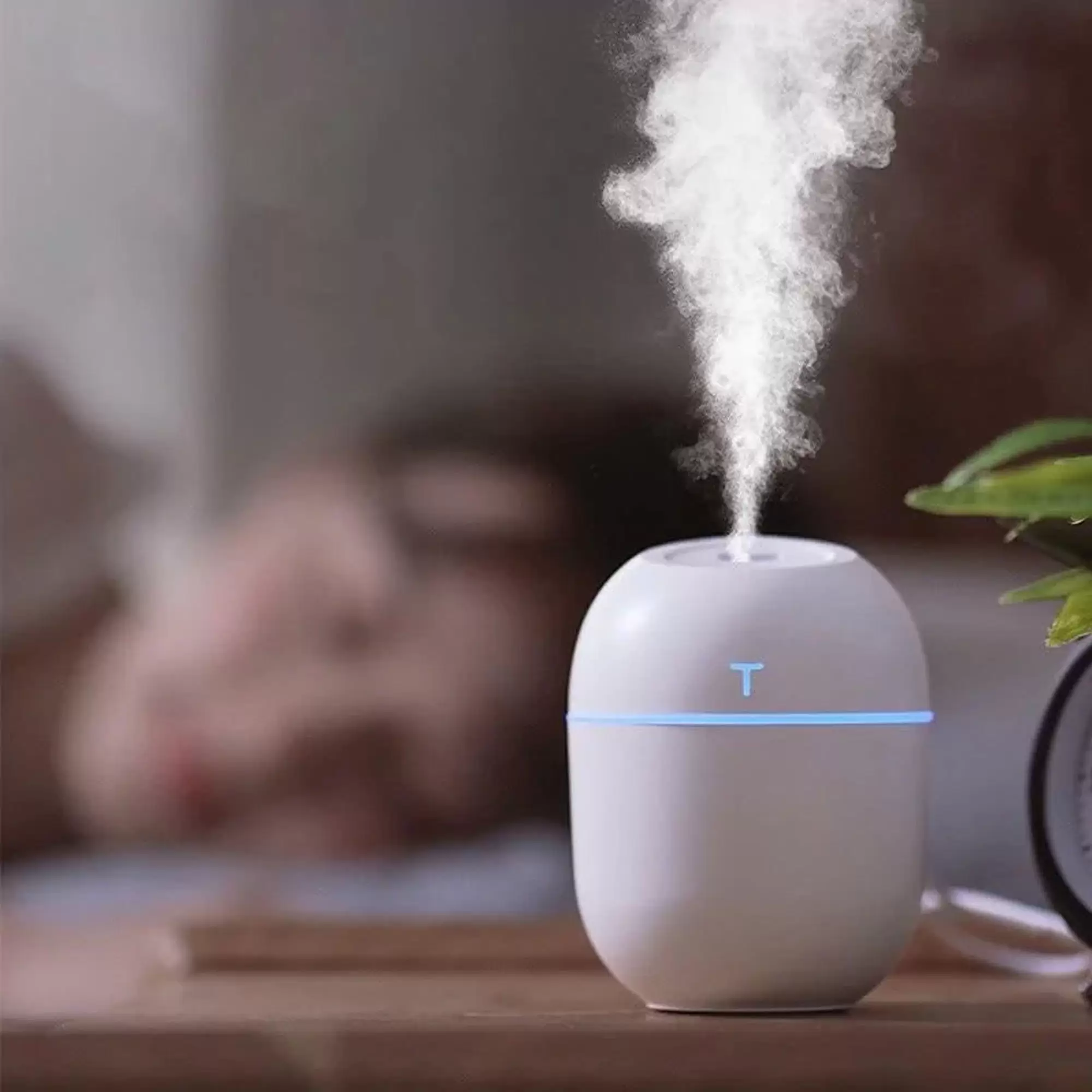
Why Your Humidifier Isn’t Working (And How to Fix It)
Before you’re tempted to toss your machine out the window, let’s play detective. Most issues boil down to one of two things: mineral buildup from your water or a need for some basic cleaning.
“A well-maintained humidifier is an incredible tool for your respiratory health and overall comfort. But a neglected one can become the opposite,” warns Dr. Eleanor Vance, an Indoor Air Quality Specialist. “Regular, simple maintenance is the single most important thing you can do to ensure it runs effectively and safely.”
Here are the most frequent complaints we hear and the step-by-step solutions to get your unit humming along happily again.
Problem 1: My Humidifier Isn’t Producing Any Mist
This is hands-down the most common issue. You’ve filled the tank, you’ve plugged it in, you hear it running, but… nothing. No glorious, moisturizing mist.
The Cause: More often than not, this is due to mineral buildup, especially if you use tap water. Over time, minerals like calcium and magnesium—the same stuff that causes “hard water”—can clog the delicate parts of your humidifier that create the mist.
The Solutions:
- Check for Clogs: The culprit is likely a clogged nebulizer (in an ultrasonic model) or a blocked wicking filter (in an evaporative model).
- For Ultrasonic Models: The nebulizer is a small, vibrating diaphragm that turns water into mist. Mineral deposits can form a crust on it, preventing it from vibrating correctly.
- For Evaporative Models: The wicking filter absorbs water, and a fan blows air through it. If the filter is clogged with minerals, it can’t absorb water properly, leading to low or no output.
- Give It a Good Clean: A vinegar soak is your best friend here.
- Step 1: Unplug your humidifier and empty any water from the tank and base.
- Step 2: Pour a solution of one part white vinegar and one part water into the base. Let it sit for at least 30-60 minutes. This will dissolve the mineral buildup.
- Step 3: Use a small, soft brush (an old toothbrush works wonders) to gently scrub the nebulizer or any other areas with visible buildup.
- Step 4: Rinse all parts thoroughly with clean water until the vinegar smell is gone. Let them air dry completely before reassembling.
- Replace the Filter: If you have an evaporative model and the filter is hard and crusty, no amount of cleaning will save it. It’s time for a new one. Check your user manual for the correct filter type.
Problem 2: My Humidifier is Leaking Water
Finding a puddle of water around your humidifier is alarming. Not only is it a mess, but it can also damage your floors and furniture.
The Cause: This issue usually stems from improper assembly or a crack in the tank.
The Solutions:
- Check the Tank: Carefully inspect the water tank for any hairline cracks. Even a tiny crack can cause a slow leak. If you find one, you’ll likely need to replace the tank.
- Ensure a Proper Seal: Make sure the cap on the water tank is screwed on tightly and that the tank is seated correctly on the base. Sometimes it just needs a little jiggle to lock into place properly.
- Don’t Overfill: Never fill the water tank beyond the “max fill” line. An overfilled tank can cause water to spill out of the base when you place it.
Problem 3: There’s a Nasty, Musty Smell Coming from My Humidifier
You turn on your humidifier for fresh, moist air, but instead, you get a whiff of something that smells like a damp basement. Yuck.
The Cause: That unpleasant odor is a tell-tale sign of mold or mildew growing inside the machine. This happens when water is left to stagnate in the tank or base for too long.
The Solutions: This is one of the more serious common humidifier problems and solutions because it can impact your health.
- Perform a Deep Disinfection: A simple vinegar wash isn’t enough to kill mold.
- Follow the cleaning steps above, but instead of just vinegar, use a solution of 1 teaspoon of bleach to 1 gallon of water (or a 3% hydrogen peroxide solution).
- Let the solution sit in the tank and base for 30 minutes.
- Scrub all surfaces thoroughly.
- Crucially, rinse multiple times with clean water until you can no longer smell any bleach. You do not want to be breathing in bleach fumes.
- Establish a Routine: The best fix is prevention.
- Empty and rinse the tank and base daily.
- Refill with fresh, clean water each time you use it.
- Perform a full cleaning and disinfection at least once a week.
Problem 4: There’s White Dust on All My Furniture
If you have an ultrasonic humidifier, you might notice a fine, white powder settling on surfaces near the machine.
The Cause: This is not dust—it’s mineral dust. It’s the same minerals from your hard tap water that can cause clogs. Ultrasonic models vibrate water into such a fine mist that the minerals become airborne and then settle as a powder.
The Solutions:
- Switch Your Water: The easiest and most effective solution is to stop using tap water. Switch to distilled or demineralized water. This water has had the minerals removed, so there’s nothing to turn into white dust.
- Use a Demineralization Cartridge: Some ultrasonic humidifiers are compatible with demineralization cartridges or filters. These accessories sit in the tank and capture minerals from the water before it’s turned into mist.
How Can I Make My Humidifier Work Better?
Beyond fixing problems, a few best practices can help you get the most out of your machine and keep the air in your home at that perfect, comfortable relative humidity level (ideally between 40% and 60%).
Humidifier Maintenance Checklist
Keep this simple checklist handy to prevent most common humidifier problems and solutions from ever cropping up.
Daily:
- [ ] Empty, rinse, and dry the base.
- [ ] Refill the tank with fresh, cool distilled or demineralized water.
Weekly:
- [ ] Unplug the unit.
- [ ] Disinfect the tank and base with a vinegar or bleach solution as described above.
- [ ] Gently scrub any mineral buildup.
- [ ] Rinse all parts thoroughly and let air dry.
As Needed:
- [ ] Replace the wicking filter (for evaporative models) when it becomes hard or discolored.
- [ ] Replace the demineralization cartridge (for ultrasonic models) according to the manufacturer’s instructions.
Frequently Asked Questions (FAQ)
Q: How often should I clean my humidifier?
A: You should rinse and refill your humidifier daily. A full deep clean and disinfection should be done at least once a week to prevent the growth of mold and bacteria, which can be dispersed into the air and cause respiratory issues.
Q: Can I use tap water in my humidifier?
A: While you can, it’s not recommended, especially if you have hard water. Tap water contains minerals that can cause white dust (with ultrasonic models) and mineral buildup that clogs the machine. Using distilled or demineralized water is the best choice for the longevity of your unit and air quality.
Q: Why is the area around my humidifier getting wet?
A: This is usually condensation. It can happen if the mist output is set too high for the room size, or if the room’s relative humidity is already high. Try turning down the mist setting or placing the humidifier in a larger, more open area.
Q: What is the ideal humidity level for a home?
A: According to the Environmental Protection Agency (EPA), the ideal indoor humidity level is between 30% and 50%. This range is comfortable for breathing, helps prevent dry skin and static electricity, and discourages the growth of mold and dust mites.
Q: Can a dirty humidifier make me sick?
A: Yes, absolutely. A dirty humidifier can breed mold and bacteria. When the machine runs, it disperses these germs into the air in the mist. Inhaling them can trigger allergy-like symptoms or even lung infections, a condition sometimes called “humidifier fever.”
Breathe Easy Again
Your humidifier is a fantastic appliance for improving your home’s comfort and your health, but it’s not a “set it and forget it” device. By understanding these common humidifier problems and solutions, you’re now equipped to handle almost anything it throws at you. A little bit of regular attention is all it takes to ensure your machine runs efficiently, cleanly, and safely for years to come. So go ahead, give your humidifier that little bit of TLC it deserves, and get back to enjoying that perfectly balanced, wonderfully breathable air.