There’s a sound every parent knows: that dry, hacking cough coming from the nursery in the middle of the night. It’s heart-wrenching. You’ve tried everything, but the dry air, especially in winter or an air-conditioned room, can be relentless on a baby’s tiny respiratory system. That’s when a humidifier becomes your new best friend. But a quick search opens up a can of worms and the central debate of Cool Mist Vs Warm Mist Humidifier For Baby. Which one is right? Which one is safe?
Don’t worry, we’ve got you. As a new parent, you have enough to think about. I remember those sleepless nights, feeling helpless. Let’s break this down in plain English, so you can make a confident choice and get everyone in the house back to breathing easy.
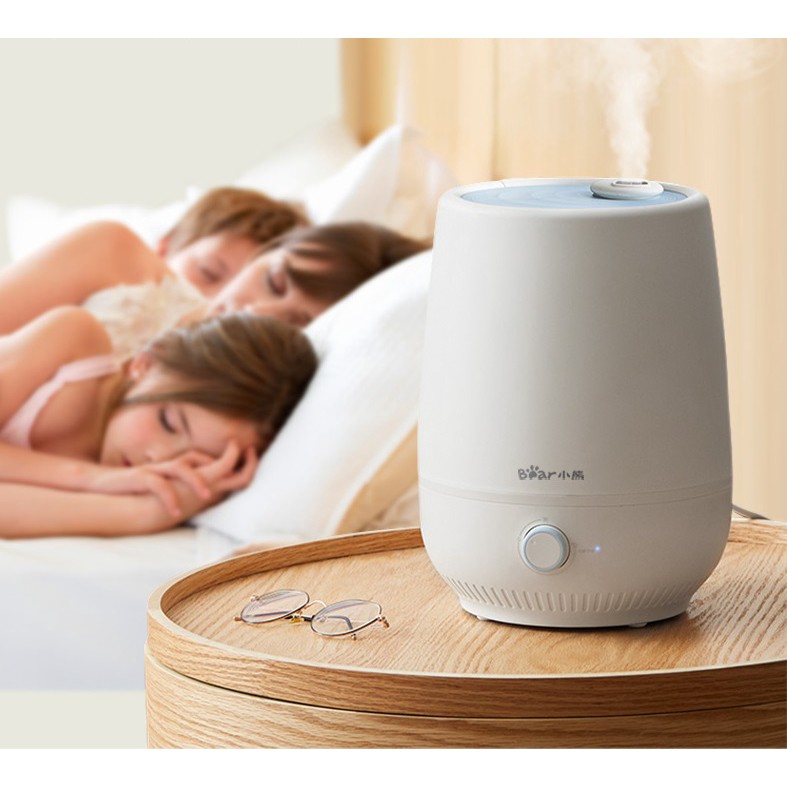
Why Your Nursery Even Needs a Humidifier
Before we dive into the main event, let’s quickly touch on why you’re even considering this little machine. It’s not just about a stuffy nose. Maintaining the right humidity level (ideally between 40% and 60%) in your baby’s room is a game-changer.
- Easier Breathing: Optimal humidity helps soothe irritated nasal passages and thin mucus, making it easier for your little one to breathe and clear out congestion from colds or allergies.
- Softer Skin: Babies have delicate skin that’s prone to dryness and eczema. Dry air zaps moisture right out, but a humidifier helps keep their skin hydrated and comfortable.
- Better Sleep: When a baby can breathe easily and isn’t itchy or uncomfortable, they sleep better. And when they sleep better, you sleep better. It’s a beautiful cycle.
- Reduces Airborne Viruses: Some studies suggest that viruses, like the flu, don’t travel as well in properly humidified air. It’s an extra line of defense for your home.
The Showdown: Cool Mist vs. Warm Mist Humidifiers
Okay, let’s get to the heart of the matter. The names are pretty self-explanatory, but how they work and what that means for your nursery is what really counts.
The Contender: Cool Mist Humidifiers
Think of a cool mist humidifier as creating a fine, room-temperature spray. It feels like the refreshing mist you might encounter near a waterfall. They are the most popular type, and they generally work in one of two ways:
- Ultrasonic: These use high-frequency vibrations to break water into a super-fine, visible mist. They are incredibly quiet, which is a massive plus for a nursery.
- Evaporative: These use a fan to blow air through a moistened wick or filter. The air picks up moisture and releases it into the room. They are self-regulating—as the room’s humidity increases, it becomes harder for water to evaporate, preventing over-humidification.
Pros of Cool Mist:
- Safety First: This is the big one. Because there’s no heating element, there is zero risk of burns. This is the primary reason most pediatricians and the American Academy of Pediatrics recommend cool-mist models for homes with children.
- Energy Efficient: They typically use less electricity than their warm-mist counterparts, which is great for your utility bill if you’re running it all night.
- Better for Larger Areas: The cool mist can often travel further and cover a larger space more effectively.
Cons of Cool Mist:
- Cleaning is Non-Negotiable: Because the water isn’t boiled, any bacteria or mold in the tank can be dispersed into the air. Rigorous, regular cleaning is an absolute must.
- Can Feel Chilly: The mist can slightly lower the room’s temperature, which might be a concern in an already cold winter room.
- “White Dust”: Ultrasonic models, in particular, can release fine mineral dust (from tap water) that settles on furniture. Using distilled or demineralized water solves this problem completely.
The Challenger: Warm Mist Humidifiers
Also known as steam vaporizers, these are the old-school classic. They use an internal heating element to boil water, releasing a warm, soothing steam into the air. It’s like the gentle steam you’d get from a kettle.
Pros of Warm Mist:
- Purer Mist: The boiling process kills most waterborne bacteria and mold, so the steam released is generally cleaner.
- Cozy Feeling: The warm steam can make a room feel slightly warmer and cozier, which is a nice touch during a cold winter.
- Quieter than Evaporative Models: Since they don’t rely on a fan, they can be very quiet, though you might hear a gentle gurgling or boiling sound.
Cons of Warm Mist:
- The Burn Risk: This is the deal-breaker for most parents. The hot water inside and the hot steam coming out pose a significant burn risk if a curious toddler pulls or knocks it over.
- Higher Energy Consumption: Boiling water takes a lot of energy, so these units will use more electricity.
- Can Be Harder to Clean: Mineral deposits (scale) can build up on the heating element, requiring regular descaling with vinegar.
So, What’s the Verdict on Cool Mist vs Warm Mist Humidifier for Baby?
When it comes to the cool mist vs warm mist humidifier for baby, the expert consensus is clear and overwhelming: choose a cool mist humidifier.
While the idea of a “purer” warm mist is appealing, the risk of a serious burn from a tipped-over unit is simply too high. Children are fast, curious, and unpredictable. The safety of a cool mist model, which has no hot parts, provides essential peace of mind that a warm mist model cannot.
As Dr. Eleanor Vance, an Indoor Air Quality Specialist, puts it: “For a child’s room, safety is the paramount concern. A cool mist humidifier provides all the respiratory benefits without introducing a burn hazard into the sleep environment. The key is for parents to commit to a strict cleaning schedule to ensure the mist itself is clean.”
The potential downside of a cool mist model—dispersing bacteria—is entirely manageable with proper, consistent cleaning. The burn risk of a warm mist model is an accident waiting to happen.
Beyond the Mist: How to Choose the Right Humidifier
Okay, so you’ve settled on a cool mist model. Great! But the choices don’t stop there. Here are a few other things to consider to find the perfect fit for your nursery.
Room Size
Check the product’s specifications for its recommended coverage area (usually in square feet). A small tabletop unit is perfect for a standard nursery, but you’ll need a larger console model for a big, open-plan master bedroom.
Ease of Cleaning
Let’s be real: if it’s a pain to clean, you won’t do it as often as you should. Look for models with wide tank openings that you can get your hand inside and simple, easy-to-disassemble parts.
Noise Level
For a nursery, quieter is always better. Ultrasonic models are virtually silent, making them a top choice for light sleepers. Evaporative models will have some fan noise, which can double as a gentle white noise machine for some babies.
Extra Features
- Built-in Hygrometer: This measures the room’s humidity level and can automatically shut the unit off when the desired level is reached. Super helpful for preventing over-humidification.
- Auto-Shutoff: A safety feature that turns the humidifier off when the water tank is empty. This is a must-have.
- Filter vs. Filterless: Evaporative models use filters (wicks) that need regular replacement. Ultrasonic models are filterless but are the ones that can produce “white dust” if you use tap water.
Don’t Grow a Science Project: Humidifier Maintenance 101
Buying the humidifier is step one. Keeping it clean is step two, and it’s just as important. A dirty humidifier can do more harm than good. Here’s your cheat sheet for keeping it clean and safe.
- Change the Water Daily: Don’t let water sit in the tank. Each morning, empty any leftover water, rinse the tank, and refill it with fresh, clean water. Always use distilled or demineralized water if possible to prevent mineral buildup and white dust.
- Do a Weekly Deep Clean: At least once a week, it’s time for a proper disinfection.
- Unplug the unit and disassemble it.
- Fill the tank with a solution of 1 part white vinegar to 2 parts water. Let it sit for at least 30 minutes to dissolve any mineral scale.
- Use a small brush (an old toothbrush works great) to scrub any nooks and crannies.
- Rinse all parts thoroughly with clean water to remove the vinegar smell.
- Let all parts air dry completely before reassembling.
- Replace Filters as Needed: If you have an evaporative model, follow the manufacturer’s instructions for replacing the wick filter. A dirty, clogged filter is a breeding ground for mold.
Frequently Asked Questions (FAQ)
Q: What is the ideal humidity level for a baby’s room?
A: The ideal relative humidity for a baby’s room, and for most homes, is between 40% and 60%. Many digital hygrometers are inexpensive and can help you monitor this level accurately to avoid making the room damp or stuffy.
Q: Can a humidifier make a baby’s cough worse?
A: If the humidifier is dirty and disperses mold or bacteria, it can certainly irritate the lungs and make a cough worse. However, a clean humidifier adding moisture to the air will almost always help a dry, croupy cough by soothing the airways.
Q: How often should I clean my baby’s humidifier?
A: You should rinse and refill the tank with fresh water daily. A thorough cleaning and disinfection with a vinegar solution should be done at least once a week, or more often if you notice any film or buildup.
Q: Should I use tap water or distilled water in my humidifier?
A: Distilled or demineralized water is always the best choice. Tap water contains minerals that can be released as “white dust” by ultrasonic models and can build up as scale in all types of humidifiers, making them harder to clean and potentially creating a breeding ground for germs.
Q: Is it okay to run a humidifier all night for a baby?
A: Yes, it is perfectly safe and often most effective to run a clean cool mist humidifier all night. Many models have an auto-shutoff feature for when the tank runs dry, and models with a built-in hygrometer can maintain a steady, ideal humidity level while your baby sleeps.
The Takeaway
Navigating the world of baby gear can feel overwhelming, but the cool mist vs warm mist humidifier for baby decision is one of the more straightforward ones. For the sake of safety and peace of mind, a cool mist humidifier is the undisputed champion for your nursery.
By choosing a model that fits your room, committing to a simple daily and weekly cleaning routine, and using the right kind of water, you can create a healthier, more comfortable environment that helps everyone in your family breathe a little easier. And that means more peaceful, restful nights for you and your little one.