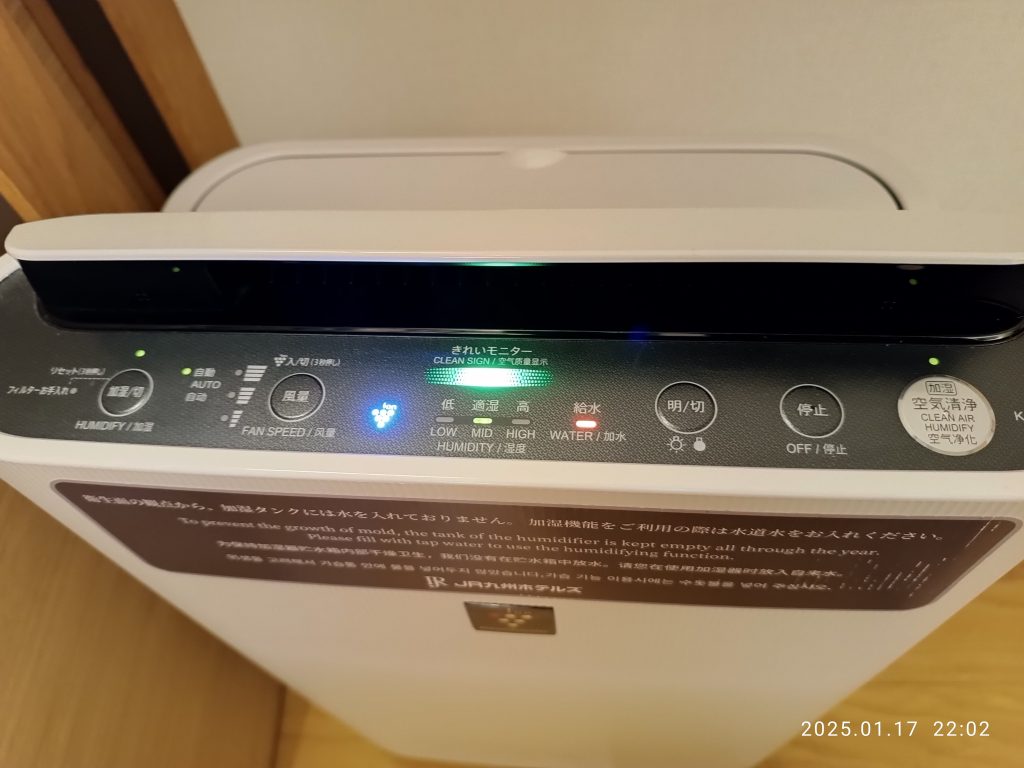
Quick Verdict: The cool mist vs warm mist humidifier debate does not have a single right answer — it depends on your use case, climate, household composition, and safety priorities. Cool mist is safer around children, more energy-efficient, and the better choice for adding large volumes of moisture during dry seasons. Warm mist is quieter, can help with congestion relief, and reduces the risk of microbial growth in the water — but it uses more energy and poses a scalding risk near children. Here is a clear breakdown of everything you need to know to choose correctly.
Cool Mist vs Warm Mist: At a Glance
| Factor | Cool Mist | Warm Mist |
|---|---|---|
| Mist Temperature | Room temperature or slightly cooler | Heated — steam-like |
| Energy Use | Low (ultrasonic) to moderate (evaporative) | Higher — heating element runs continuously |
| Safety Around Children | Safer — no hot water or heating surface | Scalding risk if the unit is tipped or touched |
| White Dust | Possible with ultrasonic + hard water | Rare — minerals stay in the boiling chamber |
| Microbial Risk | Higher if tank is not cleaned regularly | Lower — boiling water kills most bacteria |
| Noise | Near-silent (ultrasonic) to fan hum (evaporative) | Very quiet — no fan required |
| Congestion Relief | Adds moisture; less direct therapeutic effect | Warm vapor can ease nasal and sinus congestion |
| Room Cooling Effect | Slight evaporative cooling effect | Adds slight warmth to room air |
| Best For | Nurseries, dry climates, all-season use | Cold/flu season, sinus relief, very cold rooms |
| Price Tier | $ – $$$ | $ – $$ |
How We Evaluated These Humidifier Types
This comparison synthesizes published manufacturer specifications, independent editorial evaluations from Consumer Reports, Wirecutter, TechGearLab, and RTINGS, and documented health and safety guidance from the EPA and American Academy of Pediatrics regarding home humidity. No placement fees were received.
How Each Type Works
Cool Mist Humidifiers
Cool mist humidifiers come in two main variants: ultrasonic and evaporative. Ultrasonic units use a vibrating plate to shatter water into microscopic droplets that become a fine mist at room temperature. Evaporative units draw air over a wet wick filter, causing the water to evaporate naturally into the air as invisible vapor. Neither type heats the water, so the mist or vapor dispersed is at or near room temperature. Cool mist is technically more efficient at raising room humidity in warm conditions because the moisture absorbs into dry air readily without a competing temperature difference.
Warm Mist Humidifiers
Warm mist humidifiers — sometimes called steam vaporizers — heat water to boiling using an internal heating element, then release the resulting steam into the room. The steam cools slightly before dispersal, but the output is noticeably warmer than room-temperature air. The boiling process kills the vast majority of bacteria and mold in the water before it becomes airborne, which is a genuine hygiene advantage over cool-mist units with poorly maintained tanks. The trade-off is the heating element’s energy consumption and the burn risk if hot water is spilled.
Energy Consumption
Cool mist ultrasonic humidifiers typically draw 25–40 watts — comparable to a dim light bulb. Evaporative cool-mist units draw 15–45 watts depending on fan speed. Warm mist vaporizers require 200–400 watts to maintain continuous boiling. In a heating-season scenario where a humidifier runs 8–12 hours per day, the energy cost difference between a 30W ultrasonic and a 300W warm-mist unit amounts to several dollars per month — not catastrophic, but meaningful for households running the unit year-round.
Safety Considerations
The American Academy of Pediatrics recommends cool-mist humidifiers for use in children’s rooms, citing the burn and scalding risk associated with warm-mist vaporizers. A tipped warm-mist unit can spill near-boiling water; in a nursery or toddler room this represents a meaningful hazard. Cool-mist units pose no thermal risk. The alternative safety concern for cool mist is microbial: an unclean ultrasonic tank can introduce mold spores, bacteria, or stale water vapor into the air. Weekly cleaning largely eliminates this risk. The EPA recommends maintaining indoor relative humidity between 30% and 50% regardless of humidifier type to prevent over-humidification and associated mold growth.
Congestion and Cold Relief
Many users associate warm mist with better congestion and cold relief. The warm, steam-like vapor can feel more soothing to irritated nasal passages and is more closely analogous to inhaling steam over a bowl of hot water — a traditional home remedy for sinus congestion. Some warm-mist vaporizers include a medication cup for inhalants like VapoSteam, adding a targeted decongestant component. Cool-mist humidifiers add moisture to the air effectively but deliver no inherently therapeutic warmth. That said, both types equally prevent the dryness that exacerbates congestion, cracked lips, and irritated airways — the warm-mist advantage is primarily the immediate comfort sensation, not a clinically superior humidification outcome.
White Dust and Mineral Deposits
Ultrasonic cool-mist humidifiers are the primary source of white dust. The vibrating transducer nebulizes dissolved minerals from tap water along with the water itself, depositing a fine white powder on nearby surfaces. Evaporative cool-mist and warm-mist units both largely avoid this — evaporative wicks trap minerals, and the warm-mist boiling chamber concentrates mineral deposits inside the tank rather than dispersing them. If you live in a hard-water area and are using an ultrasonic unit, distilled water or a demineralization filter is the standard fix.
Noise
Warm mist vaporizers are among the quietest humidifiers available — the boiling process produces a soft bubbling sound at most. Ultrasonic cool-mist units range from near-silent (≤25 dB on the best models) to a faint electronic hum. Evaporative cool-mist units are the loudest of the group because of the fan required to push air over the wick. If absolute bedroom silence is the priority, a warm-mist vaporizer or a high-quality ultrasonic unit (such as the Levoit Classic 300S or LV600S) is the best choice.
Which Should You Choose?
Choose cool mist if: you have children or pets in the household; energy costs matter; your primary use case is adding moisture to a dry room year-round; you want a top-rated smart unit with app control; or you are dealing with a dry, hot climate where the slight cooling effect is a benefit.
Choose warm mist if: congestion relief during cold and flu season is the primary goal; you are using it in a room where children are not present; hygiene is a concern and you want the boiling sterilization effect; or very quiet operation without a fan is important to you.
For a hybrid option that offers both, the Levoit LV600S delivers warm and cool mist from a single unit with smart controls. For our full recommendations at every use case and budget, see the best humidifiers guide.
Frequently Asked Questions
Is cool mist or warm mist better for a baby?
The American Academy of Pediatrics recommends cool-mist humidifiers for infants and children’s rooms due to the burn and scalding risk of warm-mist units. Cool mist is equally effective at adding humidity to the air. The key maintenance requirement is weekly tank cleaning to prevent microbial growth.
Does warm mist humidifier heat the room?
Marginally. A warm-mist humidifier adds a small amount of heat to room air through the steam it releases, but the effect on room temperature is minimal in a normal-sized room — not comparable to a space heater. It may make a very cold, small room feel slightly warmer, but this should not be the primary reason to choose warm mist.
Which type uses less electricity?
Cool-mist ultrasonic humidifiers are the most energy-efficient, drawing 25–40 watts. Evaporative cool-mist units draw 15–45 watts depending on fan speed. Warm-mist vaporizers draw 200–400 watts because of the continuous heating element. For regular daily use, cool-mist costs significantly less to operate.
Can I add essential oils to a warm mist humidifier?
Most warm-mist vaporizers are not designed for essential oils in the water tank — oils can damage internal components and degrade the heating element. If aromatherapy is important, look for a unit with a dedicated aromatherapy tray or aroma diffuser function. The Levoit Classic 300S and LV600S both include essential oil trays separate from the water chamber.
Is warm mist or cool mist better for dry skin?
Both types are equally effective at raising ambient humidity, which is the underlying cause of dry skin in low-humidity environments. The type of mist does not change the amount of moisture added to the air at a given output level. Choose based on safety and noise preference rather than skin benefit — both will help equally with dry air.
Does warm mist kill bacteria in the humidifier water?
Yes. Boiling water in a warm-mist vaporizer kills the vast majority of bacteria and mold in the water before it becomes steam. This gives warm-mist units a hygiene advantage over cool-mist ultrasonic units with poorly maintained tanks. However, the boiling chamber itself still needs regular cleaning to prevent mineral buildup and residual scale.
Seasonal Use Patterns: When Each Type Shines
Many households actually benefit from owning one of each type rather than viewing them as permanent alternatives. Cool-mist humidifiers are the clear year-round workhorse: in winter, they counteract the dryness of central heating; in summer, air conditioning creates low-humidity environments equally favorable to them. The slight evaporative cooling effect of cool mist is a minor benefit in warm weather, reducing the feeling of stuffiness in an air-conditioned room. Warm-mist vaporizers are more seasonal tools — pulled out when a cold or flu hits, or during the coldest winter weeks when the sensation of warm vapor is genuinely comforting for dry airways. A quality cool-mist ultrasonic unit for year-round bedroom use paired with an inexpensive warm-mist vaporizer for sick-season therapy is a practical combination for many households.
Humidity Levels and Health: What Both Types Achieve
The EPA’s recommended indoor relative humidity range is 30–50%. Both cool-mist and warm-mist units can achieve and maintain this range in a typical room — the mist temperature does not change the unit’s capacity to raise room humidity. Staying within 30–50% RH reduces dust mite activity (which peaks above 50%), reduces airborne virus survival time, prevents most mold growth (which begins significantly above 60%), and eliminates the cracked skin, dry nasal passages, and static electricity associated with very low humidity (below 30%). Neither type is clinically superior at achieving the health benefits of appropriate indoor humidity — the choice between them is about delivery mechanism preference, safety, and noise.
Humidifiers With Both Modes: The Hybrid Option
If you want the flexibility of both warm and cool mist without buying two separate devices, the Levoit LV600S is the leading option in the residential market. Its hybrid ultrasonic design supports both modes from a single 6-liter top-fill unit, covers 753 sq ft, and integrates with the VeSync app. The warm-mist mode reaches 86–120°F — warm enough for therapeutic comfort without a scalding risk — and cool-mist mode operates at ≤25 dB. The trade-off is that warm-mist operation is noisier (45 dB) and draws more power. For households that genuinely switch between modes seasonally or situationally, the LV600S eliminates the need for two devices and delivers both at a reasonable combined cost. For our full comparison of these models, visit the best humidifiers guide.
Common Buying Mistakes to Avoid
Several recurring buying mistakes appear in user reviews and return patterns for both humidifier types:
- Buying warm mist for a nursery: The scalding risk of a tipped warm-mist unit in a child’s room is well-documented — the American Academy of Pediatrics’ cool-mist recommendation is based on real injury cases.
- Running cool mist without monitoring humidity: An ultrasonic unit without a humidistat running 24/7 in a small, sealed room can push humidity above 60%, creating mold conditions within weeks. Use a $10 hygrometer to verify your target range.
- Neglecting to clean cool-mist tanks: Weekly cleaning is not optional — it is the key maintenance requirement that separates safe cool-mist operation from microbial dispersal.
- Adding essential oils to a warm-mist or cool-mist water tank: Unless the manufacturer explicitly confirms it is safe, oils in the water tank damage internal components. Use only units with dedicated aromatherapy trays if fragrance is a priority.
Indoor Humidity and Overall Health
The health case for maintaining indoor humidity between 30–50% RH applies equally to both cool-mist and warm-mist units — neither produces a humidity outcome that is clinically superior. Properly humidified air reduces nasal irritation, helps maintain respiratory tract mucus function (your body’s natural defense against airborne pathogens), reduces the survival time of airborne viruses (multiple studies indicate influenza virus survives longer at low humidity than at 40–60% RH), alleviates dry skin and chapped lips, reduces static electricity, and can prevent cracking and warping of wood furniture and flooring. Achieving any of these benefits requires consistently maintaining the 30–50% RH target, which is a function of choosing the right-sized unit for your room and using auto mode or a separate hygrometer to monitor the result. The mist temperature — cool or warm — does not change these outcomes.
Our Recommendation
For most households, a quality cool-mist humidifier is the right year-round choice — safer around children, lower energy cost, and equally effective at achieving healthy indoor humidity. If you specifically want warm-mist therapy for colds or congestion relief, the most practical addition is a basic $15–$20 vaporizer kept for sick-season use rather than replacing your cool-mist unit. The best humidifiers guide covers specific cool-mist recommendations at every price point and room size.