Ever get that feeling in the middle of winter? That dry, scratchy throat, the itchy skin, and the annoying static shock every time you touch a doorknob. A good humidifier is a game-changer, transforming your home into a comfortable oasis. But after you’ve unboxed your new device, you’re faced with a surprisingly crucial question: what kind of water do you put in it? This is where the great Distilled Vs Purified Vs Tap Water In Humidifier debate begins, and trust me, the choice you make matters more than you think. Are you unknowingly shortening your humidifier’s life or even polluting your air? Let’s clear the air, once and for all.
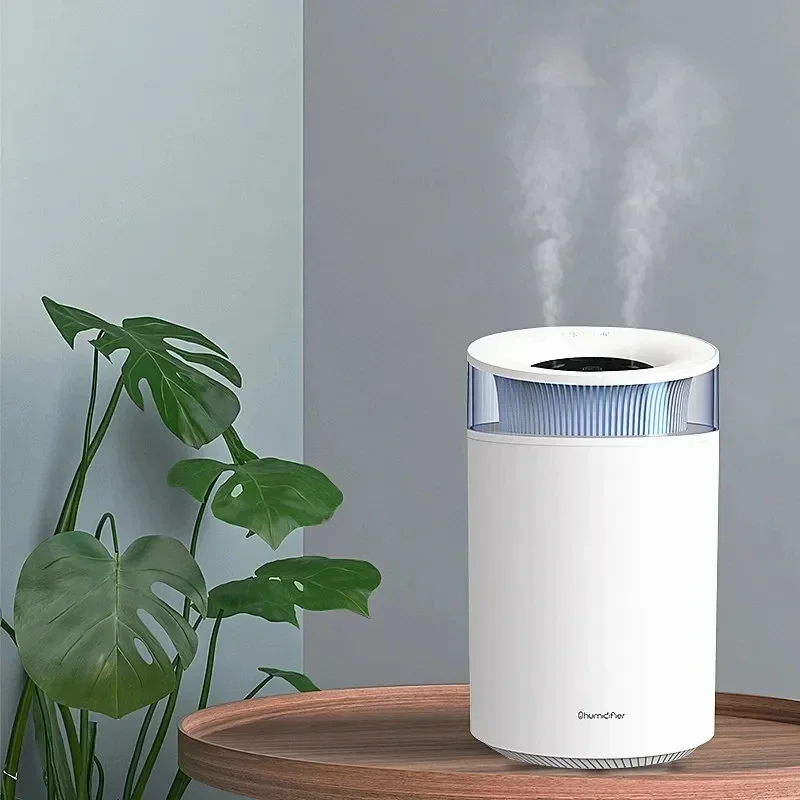
Why Does the Water in My Humidifier Matter Anyway?
It’s just water, right? Well, not exactly. The water you put into your humidifier is the water that will ultimately be dispersed into the air you breathe. The type of water you use directly impacts your health, your home’s cleanliness, and the lifespan of your humidifier.
Think of it like the fuel you put in a car. Sure, you could put low-grade fuel in a high-performance engine, but you’re not going to get the best performance, and you’ll likely cause damage over time. The same principle applies here. Using the wrong water can lead to a few common, pesky problems:
- “White Dust” Residue: A fine, white powder that settles on furniture, especially common with ultrasonic models.
- Mineral Buildup (Scale): Hard, crusty deposits inside your humidifier’s tank and on its internal components, making it less efficient and harder to clean.
- Bacteria and Mold Growth: Standing water is a breeding ground for microorganisms, and certain types of water can accelerate this process.
The Great Water Debate: Distilled vs Purified vs Tap Water
Let’s break down the main contenders. Each has its pros and cons, but as you’ll see, there’s a clear winner for keeping your air clean and your device happy.
Tap Water: The Convenient but Risky Choice
Tap water is the easiest and cheapest option, flowing right from your faucet. For many, it’s the default choice. But that convenience comes at a cost.
Tap water contains varying levels of minerals (like calcium and magnesium) and other dissolved solids. In areas with “hard water,” these mineral levels are particularly high. When your humidifier, especially an ultrasonic one, turns this water into a mist, it aerosolizes everything in it—including those minerals.
The result? That dreaded white dust. It’s essentially microscopic mineral powder that settles on every surface in your room. While generally considered harmless for most people, it can be a nuisance to clean and may irritate individuals with respiratory sensitivities.
“Think of it this way,” explains Dr. Eleanor Vance, an Indoor Air Quality Specialist. “Anything in your water is being turned into a fine mist you breathe in. Those minerals don’t just disappear. You wouldn’t want to breathe in microscopic rock particles, would you? That’s essentially what’s happening with hard tap water in an ultrasonic humidifier.”
Furthermore, these minerals create stubborn scale buildup inside your humidifier, clogging its mechanisms and providing a rough surface for bacteria and mold to cling to.
- Pros: Free, convenient.
- Cons: Causes white dust, leads to mineral buildup, can shorten humidifier lifespan, may require more frequent cleaning.
Purified Water: A Step in the Right Direction
Purified water sounds like a great alternative. It often goes through processes like reverse osmosis or deionization, which remove many impurities, including bacteria and some minerals. Common examples include water from a Brita filter or a refrigerator dispenser.
So, is it a good choice for your humidifier? It’s definitely better than tap water. By removing a significant portion of the mineral content, you’ll see a noticeable reduction in white dust and scale buildup.
However, “purified” isn’t a standardized term. The effectiveness of the filtration system varies wildly. While many contaminants are removed, some dissolved minerals might still remain. It’s an improvement, but it might not be a complete solution, especially if you have very hard water to begin with.
- Pros: Cleaner than tap water, reduces mineral content and white dust.
- Cons: Not all minerals are removed, effectiveness varies, costs more than tap water.
Distilled Water: The Undisputed Champion
And now, for the gold standard. Distilled water is created by boiling water into steam and then condensing that steam back into a liquid. This process leaves virtually all minerals, microorganisms, and other impurities behind. It’s the purest form of water you can easily get your hands on.
When you use distilled water in your humidifier, you’re giving it nothing but pure H2O. This means:
- No white dust. Since there are no minerals to aerosolize, your furniture stays clean.
- No mineral buildup. Your humidifier’s internal parts remain pristine, ensuring it runs efficiently and lasts much longer.
- A cleaner, healthier mist. You have peace of mind knowing you aren’t breathing in any unwanted extras.
The only real downside to distilled water is the cost and inconvenience of having to buy it at the store. However, when you weigh that against the cost of frequent filter replacements, rigorous cleaning, and potentially replacing a damaged humidifier, many find that distilled water pays for itself in the long run. The debate over distilled vs purified vs tap water in humidifier has a clear winner when it comes to performance and health.
- Pros: Purest option, eliminates white dust completely, prevents all mineral buildup, extends humidifier lifespan, promotes cleaner air.
- Cons: Must be purchased, slightly higher cost.
What About Filtered or Boiled Water?
Two common questions pop up in this discussion.
- Filtered Water: This is essentially purified water. A good carbon filter (like in a pitcher) will remove chlorine and some impurities, but it’s not designed to remove dissolved minerals. So, it won’t solve the white dust problem.
- Boiled Water: Boiling tap water will kill bacteria and viruses, which is great. However, it concentrates the mineral content as some of the water evaporates. Boiling makes the hard water problem worse, not better.
How Your Humidifier Type Affects Your Water Choice
While distilled water is universally the best choice, it’s especially important for certain types of humidifiers.
- Ultrasonic Humidifiers: These are the primary culprits for white dust. They use a high-frequency vibrating diaphragm to create a cool mist, and this process flings everything in the water into your air. Using distilled water is almost mandatory for these models.
- Evaporative Humidifiers: These models use a fan to blow air through a saturated wick filter. The water evaporates, leaving the minerals behind on the filter. You won’t get white dust, but using tap water will cause the wick to clog with mineral scale very quickly, requiring frequent and costly replacements. Using distilled water will dramatically extend the life of your wick filter.
- Steam Vaporizers (Warm Mist): These boil water to create steam. Like evaporative models, they leave minerals behind in the tank. This results in significant scale buildup that needs to be cleaned regularly to maintain efficiency.
Practical Tips for Humidifier Maintenance
No matter what water you choose, proper cleaning is non-negotiable. The EPA (Environmental Protection Agency) recommends cleaning your humidifier every three days.
- Unplug the Unit: Safety first! Always disconnect the power before cleaning.
- Empty the Tank: Discard any old water. Never just top it off.
- Clean and Rinse: Use a solution of water and white vinegar or a 3% hydrogen peroxide solution to scrub the tank and base. Get into all the nooks and crannies.
- Rinse Thoroughly: Rinse all parts with clean water until the smell of the cleaning solution is gone.
- Dry Completely: Air dry all components before reassembling. A dry environment prevents any lingering mold or bacteria from growing.
Frequently Asked Questions (FAQ)
Q: Can I use boiled tap water in my humidifier?
A: No, this is not recommended. While boiling kills germs, it concentrates the mineral content as water evaporates, which can worsen scale buildup and white dust.
Q: What is the white dust from my humidifier and is it harmful?
A: The white dust is mineral residue from hard tap water that has been aerosolized, primarily by ultrasonic humidifiers. For most healthy people, it’s not harmful, but it can be an irritant for those with asthma or allergies and is a nuisance to clean.
Q: Is purified water the same as distilled water for a humidifier?
A: They are not the same. Purified water has had many impurities removed, but it may still contain some dissolved minerals. Distilled water has had virtually all minerals and impurities removed, making it the superior choice.
Q: How often should I change the water in my humidifier?
A: You should change the water daily. Stagnant water is a breeding ground for bacteria and mold. Always start with fresh water each day for the cleanest possible mist.
Q: Will using tap water void my humidifier’s warranty?
A: In some cases, yes. Many manufacturers recommend using distilled or demineralized water, and damage caused by mineral buildup from tap water may not be covered under the warranty. Always check your user manual.
The Final Word
While it might seem like a small detail, the water you use is the single most important factor in your humidifier’s performance and longevity. In the distilled vs purified vs tap water in humidifier showdown, distilled water is the clear and decisive winner. It protects your investment, eliminates the chore of cleaning white dust, and ensures the mist you’re breathing is as clean and healthy as possible. So, the next time you fill up your tank, make the choice that protects your home, your humidifier, and most importantly, your well-being.