That tell-tale tickle in your throat. The dry, hacking cough that echoes through the house at 2 AM. When you’re down for the count with a cold, you’ll try just about anything for a little relief. So, you find yourself asking, Does A Humidifier Help With Coughs And Colds? The short answer is a resounding yes. But it’s not magic; it’s science, and understanding how it works is the key to getting back on your feet faster.
Dry air, whether from the winter furnace blasting or the summer air conditioner running nonstop, can be brutal on your respiratory system. It wicks moisture from your nasal passages and throat, leaving them irritated and more vulnerable. Think of a humidifier as your personal, in-home climate controller, creating a more comfortable and healing environment when you need it most.
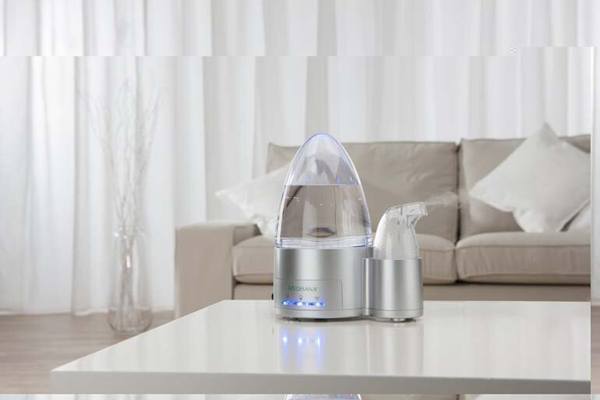
The Science Behind the Soothe: How Humidifiers Tackle Cold Symptoms
When you’re sick, your body is already working overtime. Adding a humidifier to the mix is like giving your respiratory system a helping hand. It doesn’t “cure” the cold, but it makes the journey a whole lot more bearable.
Here’s how it works:
- Soothes Irritated Airways: Imagine a dry, cracked sponge. Now imagine pouring water on it. That’s essentially what a humidifier does for your throat and nasal passages. The added moisture in the air helps soothe that raw, scratchy feeling that leads to a nagging cough.
- Thins Mucus: This one is a game-changer. Dry air can cause mucus to become thick and sticky, leading to congestion and painful, unproductive coughs. Optimal humidity helps thin that mucus, making it easier for your body to expel. A more productive cough means you’re clearing out the gunk more effectively.
- Reduces Nasal Congestion: A stuffy nose is one of the most frustrating cold symptoms. By moisturizing the nasal passages, a humidifier can help reduce swelling and inflammation, allowing you to breathe a little easier—which is especially critical for a good night’s sleep.
- May Inhibit Virus Survival: Some studies suggest that certain viruses, including the influenza virus, don’t survive as well in environments with a relative humidity between 40% and 60%. While not a foolproof shield, maintaining this level can create a less hospitable environment for airborne germs.
“Many people underestimate the impact of indoor air quality on their recovery from respiratory illnesses. Maintaining a relative humidity of 40-60% is one of the simplest, most effective non-medicinal steps you can take to alleviate the discomfort of coughs and colds.” – Dr. Eleanor Vance, Indoor Air Quality Specialist.
Choosing Your Champion: A Quick Guide to Humidifier Types
Walking into the world of humidifiers can feel a bit overwhelming. Cool mist, warm mist, ultrasonic, evaporative… what’s the difference? Let’s break it down into simple terms.
Bảng trống.Ultrasonic Humidifiers (Cool Mist)
These are probably the most popular models you’ll see.
- How they work: They use high-frequency vibrations to break water into a super-fine, cool mist that’s released into the air.
- Pros: They are incredibly quiet (often whisper-quiet), making them perfect for bedrooms. They are also filter-free, which means less ongoing cost.
- Cons: Because they don’t boil the water, they can release fine mineral dust (“white dust”) into the air if you use hard tap water. It’s best to use distilled or demineralized water with these models.
Evaporative Humidifiers (Cool Mist)
These are the workhorses of the humidifier world.
- How they work: A fan blows air through a moistened wick or filter. The water evaporates into the air, naturally increasing the humidity.
- Pros: They are self-regulating—as the air becomes more humid, the evaporation rate slows down. They also won’t produce white dust, as minerals are left behind in the wick.
- Cons: They can be a bit noisier due to the fan, and you’ll need to replace the wick filter periodically to prevent bacteria and mold growth.
Steam Vaporizers (Warm Mist)
Think of these as the cozy, old-school option.
- How they work: They have an internal heating element that boils the water, releasing a warm, soothing steam into the room.
- Pros: The boiling process kills waterborne bacteria and mold, ensuring a pure mist. The warm mist can feel especially comforting on a sore throat during winter.
- Cons: The heating element poses a burn risk, making them a less ideal choice for rooms with small children or pets. They also tend to use more electricity.
So, How Do You Choose a Humidifier to Help with Coughs and Colds?
The “best” humidifier really depends on your specific situation. Here’s a quick cheat sheet to help you decide.
For a Child’s Room: Safety First
For nurseries and kids’ rooms, a cool-mist humidifier (either ultrasonic or evaporative) is the universally recommended choice by pediatricians. This eliminates any risk of burns associated with warm-mist models. An ultra-quiet ultrasonic model is often a parent’s best friend for naptime and overnight use.
For General Bedroom Use: The Quiet Contender
If you’re a light sleeper, an ultrasonic cool-mist humidifier is your best bet. The near-silent operation won’t disturb your rest, which is crucial when you’re trying to recover. Just remember to use distilled water to avoid that pesky white dust on your furniture.
For Maximum Purity: The Clean Machine
If your top concern is ensuring the mist is free of minerals and microbes, an evaporative model is an excellent choice. The wick traps impurities, and as long as you maintain it properly, you’re getting clean, humidified air. Alternatively, a warm-mist vaporizer also produces a pure steam, but be mindful of the safety considerations.
The Do’s and Don’ts: Using Your Humidifier Safely and Effectively
Owning a humidifier isn’t a “set it and forget it” deal. Proper maintenance is absolutely critical. A dirty humidifier can do more harm than good by spewing mold and bacteria into the air you’re trying to heal in.
Follow these steps to keep your machine—and your air—clean:
- Change the Water Daily: Don’t let water sit in the tank. Empty it, rinse it, and refill with fresh water every single day. Standing water is a breeding ground for germs.
- Use the Right Water: As mentioned, if you have an ultrasonic model, use distilled or demineralized water. This prevents mineral buildup in the machine and stops white dust from settling on your surfaces. For other models, it’s still the best practice.
- Clean it Regularly: Aim for a deep clean every 3-7 days, depending on use. Most manufacturers recommend using a solution of water and white vinegar to descale and disinfect the tank and base. Follow your model’s specific instructions.
- Monitor Humidity Levels: Too much of a good thing can be bad. Aim for a relative humidity between 40% and 60%. Anything higher can promote mold growth. A simple, inexpensive device called a hygrometer can help you keep track.
- Store it Dry: When cold season is over, don’t just shove your humidifier in a closet. Clean it thoroughly, make sure every part is completely dry, and then store it away.
Frequently Asked Questions
Q: Where is the best place to put a humidifier in a bedroom?
A: Place it on a small table or nightstand, at least a few feet away from your bed. Elevating it helps the mist disperse more evenly throughout the room. Avoid placing it directly on the floor or on surfaces that could be damaged by moisture.
Q: Can I put essential oils in my humidifier?
A: Generally, no. Unless your humidifier has a specific tray or feature for aromatherapy, adding oils directly to the water tank can damage the plastic and internal components, voiding your warranty. Always check the manufacturer’s instructions first.
Q: How long should I run a humidifier for a cough?
A: It’s most beneficial to run it while you’re sleeping, as this is when congestion and throat irritation can be at their worst. Running it overnight for 8-10 hours can provide significant relief and help you get more restorative rest.
Q: What’s the difference between cool mist and warm mist for a cold?
A: Both are equally effective at humidifying the air and providing relief. The choice is personal. Some people find the warm mist more soothing, especially in winter. However, cool mist is the safer option, particularly in homes with children.
Q: Does a humidifier help with an allergy cough too?
A: Yes, it can. Allergies can cause similar symptoms of throat irritation and nasal passage inflammation. By keeping the air moist, a humidifier can help soothe these symptoms. It also helps your sinuses drain properly, which can reduce sinus pressure from allergies.
The Final Word on Humidifiers and Colds
So, let’s circle back to our original question: does a humidifier help with coughs and colds? Absolutely. By adding essential moisture back into your air, it soothes irritated airways, thins mucus, and helps you breathe easier. It’s one of the most effective, drug-free ways to manage cold symptoms and support your body’s natural healing process.
Remember to choose the right type for your needs and, most importantly, commit to keeping it clean. A well-maintained humidifier is a powerful ally in the fight against seasonal sickness, turning your home into a sanctuary of comfort and healing.