Let’s be real, waking up with a throat that feels like sandpaper, a stuffy nose, and dry, itchy skin is nobody’s idea of a good morning. Dry air, especially during those long winter months or in air-conditioned rooms, can be a real nightmare for our comfort and health. That’s where a humidifier comes in as your trusty bedside champion. But here’s the million-dollar question I get all the time: How Close Should A Humidifier Be To The Bed to get all those dreamy benefits without creating a new set of problems?
It’s a fantastic question because, as with most things in life, placement is everything. Putting your humidifier in the right spot can be the difference between waking up refreshed and waking up in a damp, chilly room. Don’t worry, we’re going to break it all down. By the end of this, you’ll be a humidifier placement pro, ready to transform your bedroom into the perfect oasis for restful sleep.
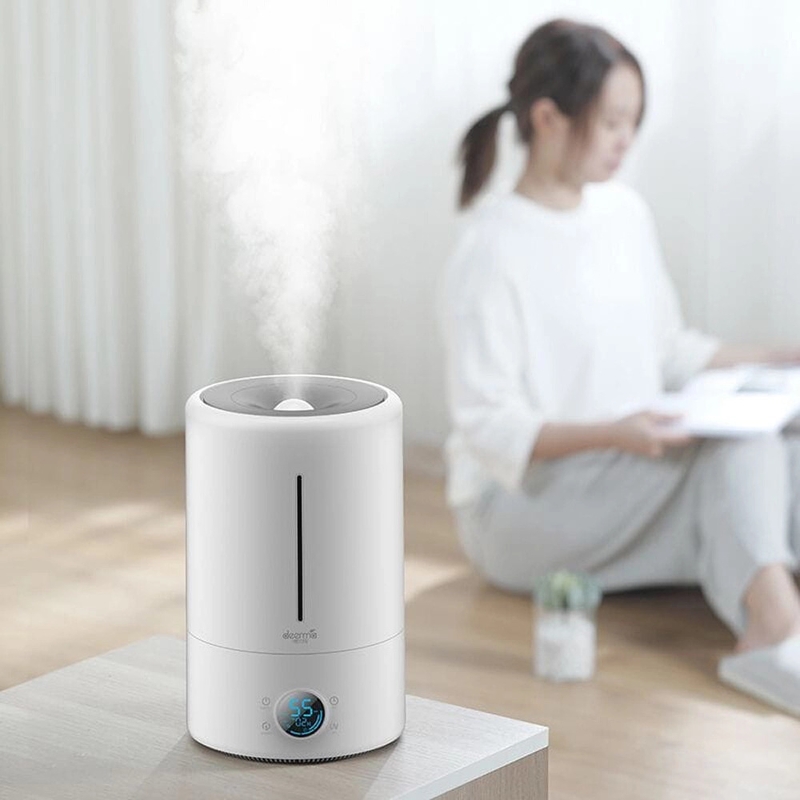
The Goldilocks Zone: Finding the Perfect Humidifier Distance
The short and sweet answer is that the ideal distance for your humidifier is between 3 and 6 feet (about 1 to 2 meters) away from your bed. This isn’t an arbitrary number; it’s a “Goldilocks zone” that balances effectiveness and safety.
Think of it like watering a delicate plant. You don’t want to blast it with a fire hose from point-blank range, but you also don’t want to just sprinkle a few drops from across the room. You want a gentle, consistent mist that nourishes the entire plant. Your humidifier works the same way for your bedroom’s air.
Too Close for Comfort: The Dangers of a Bedside Buddy
Placing a humidifier right on your nightstand, inches from your head, might seem like a great idea for direct relief. However, it can backfire.
- Excess Condensation: The cool or warm mist can settle directly onto your bedding, pillows, and mattress. Over time, this constant dampness can become a breeding ground for mold, mildew, and bacteria—the very things you’re trying to avoid!
- Chilled to the Bone: A cool mist humidifier blowing directly on you all night can make you feel cold, causing you to wake up shivering.
- Potential Wall Damage: If the mist is constantly hitting the wall behind your bed or your headboard, it can lead to peeling paint, warped wood, and even mold growth over time.
Too Far to Feel the Difference: When Your Humidifier is in Exile
On the other hand, placing your humidifier all the way across a large bedroom means you might not get the concentrated benefits you need while you sleep. The moisture will dissipate into the entire room, and the air immediately surrounding you might not reach that ideal humidity level. It’s still helping the room overall, but you’ll miss that targeted relief for your sinuses and skin.
Does the Type of Humidifier Change the Placement Rules?
Yes, absolutely! The technology inside your machine plays a big role in deciding its perfect spot. Let’s look at the most common types.
Cool Mist Humidifiers (Ultrasonic and Evaporative)
These are the most popular types for bedrooms.
- Ultrasonic humidifiers use high-frequency vibrations to create a super-fine, visible mist. Because this mist is cool and can contain mineral deposits from tap water (that infamous “white dust”), you want to keep it about 3-5 feet away. This gives the mist time to evaporate into the air rather than settling on your sheets.
- Evaporative humidifiers use a fan to blow air through a wet wick or filter. They don’t produce a visible mist, so the risk of condensation is much lower. You have a bit more flexibility with these, but the 4-6 foot range is still ideal to ensure good air circulation around your sleeping area.
Expert Take: As an Indoor Air Quality Specialist, Dr. Eleanor Vance, often advises clients, “With ultrasonic models, elevation is just as important as distance. Placing it on a dresser or a small table ensures the mist is dispersed more broadly and doesn’t just dampen the floor or your bedding.”
Warm Mist Humidifiers (Steam Vaporizers)
Warm mist humidifiers boil water to create a soothing, warm steam. While this is great for killing germs in the water, it introduces a critical safety concern.
Safety First: Never place a warm mist humidifier within reach of children or pets. The hot steam can cause serious burns. For this reason, a distance of at least 5-6 feet from the bed is non-negotiable. Place it in a secure location where it can’t be tipped over easily.
Bảng trống.Beyond Distance: Pro Tips for Perfect Bedroom Humidity
Now that you know how close a humidifier should be to the bed, let’s cover a few other pro tips to get the most out of your machine.
- Elevation is Key: Don’t place your humidifier on the floor. Hot air rises, and so does moisture. Placing your unit on a dresser, a sturdy table, or a chest of drawers (at least 2 feet off the ground) helps the moisture disperse more evenly throughout the room.
- Aim the Mist Correctly: Point the nozzle away from walls, curtains, wooden furniture, and especially electronics. You want the mist to go up and out into the open air of the room.
- Keep the Door Ajar: While it seems counterintuitive, keeping your bedroom door slightly open can prevent the room from becoming too humid. It helps with air circulation and prevents that stuffy, damp feeling.
- The Water You Use Matters: If you have an ultrasonic model and live in an area with hard water, you’ve probably seen that fine white dust. This is mineral residue. To avoid this, use distilled or demineralized water. It’s a game-changer for air quality and keeps your machine cleaner for longer.
What is the Best Humidity Level for a Bedroom?
The goal of using a humidifier isn’t to turn your bedroom into a tropical rainforest. According to the Environmental Protection Agency (EPA), the ideal indoor relative humidity level is between 30% and 50%.
A simple, inexpensive device called a hygrometer can measure your room’s humidity level. This takes the guesswork out of the equation. If your humidity climbs above 60%, it’s time to turn the humidifier off for a bit to prevent mold growth.
Don’t Forget to Clean Your Humidifier!
This is the most important rule of all. A dirty humidifier can spew bacteria and mold spores into the air you breathe, which is far worse than dry air.
Here’s a simple cleaning checklist:
- Daily: Empty the tank, rinse it thoroughly, and wipe it dry before refilling with fresh water. Never let water sit in the tank for days.
- Weekly (or as recommended by the manufacturer):
- Unplug the unit.
- Empty any remaining water.
- Use a solution of white vinegar and water (usually a 50/50 mix) to soak the tank and base for about 20-30 minutes. This disinfects and breaks down mineral scale.
- Use a small brush to gently scrub any nooks and crannies.
- Rinse all parts thoroughly with clean water until the vinegar smell is gone.
- Let all parts air dry completely before reassembling.
Frequently Asked Questions (FAQ)
Q1: Can I put my humidifier on the floor?
It’s not recommended. Placing a humidifier on the floor makes it less effective at distributing moisture into the air. The mist is more likely to condense on the floor, potentially damaging carpet or wood and creating a slip hazard. Always aim for an elevated, flat surface.
Q2: Is it okay for the humidifier mist to blow directly on me?
No, you should avoid having the mist blow directly on you. A constant stream of mist can make you feel cold and can leave your skin, hair, and bedding damp, which can lead to skin irritation and create a breeding ground for mold on your bedding.
Q3: How do I know if the humidity in my room is too high?
The most obvious sign is condensation forming on the inside of your windows. You might also notice a damp or musty smell, or see small mold spots appearing in corners. The best way to know for sure is to use a hygrometer to keep the level between 30-50%.
Q4: Can a humidifier be too close to electronics like my TV or computer?
Yes, absolutely. Keep your humidifier a safe distance (at least 6 feet) from any electronics. The moisture from the mist can settle inside the devices, causing short circuits and permanent damage.
Q5: Should I run my humidifier all night long?
For most people, yes, running it through the night provides the most consistent relief from dry air. However, if you find the room is too damp in the morning (check for condensation on windows), consider using a humidifier with a built-in humidistat that automatically shuts off when the desired humidity level is reached.
The Final Word on Humidifier Placement
Finding the perfect spot for your humidifier isn’t complicated—it’s about striking that perfect balance between maximum benefit and complete safety. By remembering the “Goldilocks zone” of 3-6 feet, you ensure the soothing mist gets to you without making your personal space a damp mess.
Pair that knowledge with proper cleaning and an awareness of your room’s actual humidity level, and you’ve got the recipe for success. Now you know how close a humidifier should be to the bed, so go on, find that sweet spot, and get ready to breathe easier and enjoy the best, most comfortable sleep of your life.