You know that feeling? Waking up with a scratchy throat, zapping yourself with static electricity every time you touch a doorknob, or watching your favorite houseplants look a little sad. Dry air is a real drag. A humidifier can be a game-changer, turning your home into a comfortable oasis. But that hero device can quickly turn into a villain if neglected. So, let’s talk about the single most important question you should be asking: How Often To Clean A Humidifier?
Getting this right is the key to unlocking all the amazing benefits—from softer skin to easier breathing—without accidentally creating a science experiment in your living room. Think of this as the owner’s manual you actually want to read.
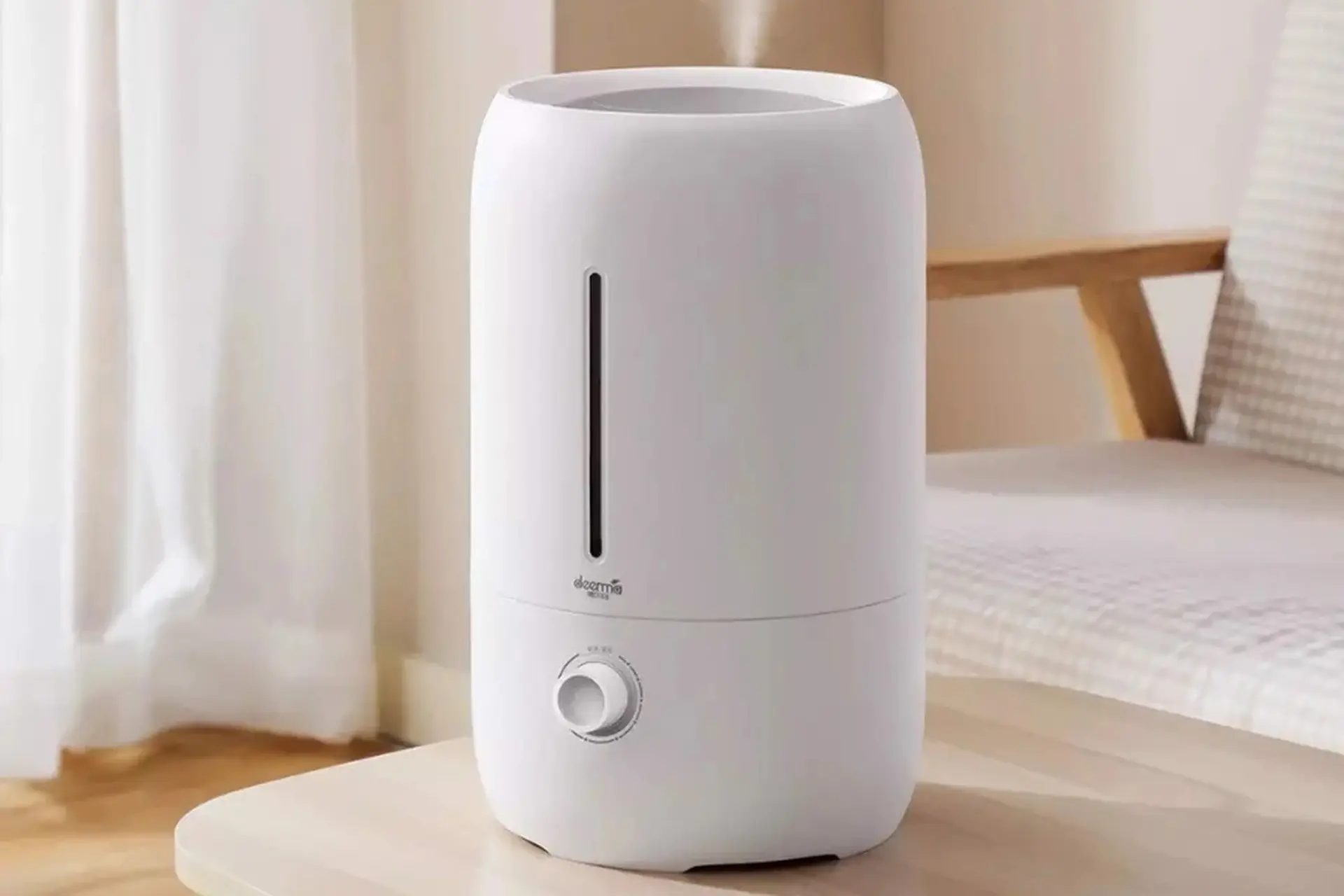
Why Bother Cleaning Your Humidifier? It’s More Than Just Dust
Let’s be real, cleaning is a chore. It’s tempting to just keep refilling the tank and letting it run. But here’s the inside scoop on why that’s a terrible idea. An uncleaned humidifier can become a breeding ground for some pretty nasty stuff.
- It Prevents a Mold & Bacteria Party: The warm, wet environment inside a humidifier tank is like a VIP lounge for mold, mildew, and bacteria. When the humidifier mists, it can spray these microscopic party crashers into your air, and you end up breathing them in.
- It Avoids “Humidifier Lung”: This is a real thing. It’s a type of hypersensitivity pneumonitis, which is a fancy way of saying your lungs get inflamed from inhaling airborne contaminants, like mold spores from a dirty humidifier.
- It Keeps Your Machine Running Efficiently: Mineral buildup from tap water (that chalky white stuff) can clog your humidifier, making it work harder and less effectively. A clean machine is a happy, efficient machine.
- It Eliminates Funky Odors: If you’ve ever noticed a musty, swampy smell coming from your unit, it’s screaming for a cleaning.
Simply put, a clean humidifier purifies your air with moisture. A dirty one pollutes it.
The Golden Rule: Your Humidifier Cleaning Frequency
Alright, let’s get down to brass tacks. You don’t need a complicated calendar. Just remember this simple rhythm: a little bit daily, a good scrub weekly, and a deep dive seasonally.
The Daily Refresh (2 Minutes)
This is less of a “clean” and more of a “reset.” Every day, before you refill the tank, empty any leftover water and give it a quick rinse with fresh water. Wipe it dry with a clean cloth. This prevents stagnant water from sitting around and starting a biofilm—that slimy layer you sometimes feel.
The Weekly Deep Clean (15-20 Minutes)
This is the most crucial part of your routine. Once a week, you need to descale and disinfect. This process tackles both the mineral buildup and any lurking germs. We’ll break down the how in the next section.
“A stagnant humidifier tank is essentially a microbial soup. Every time you turn it on, you’re aerosolizing that soup into your living space. A weekly cleaning isn’t just good practice; it’s a fundamental health precaution.”
— Dr. Eleanor Vance, Indoor Air Quality Specialist
Step-by-Step: How to Properly Clean Your Humidifier
Ready to give your humidifier the spa day it deserves? Grab some distilled white vinegar and let’s get to it. This method works for most ultrasonic and evaporative models.
- Unplug and Disassemble: Safety first! Always unplug the unit from the wall. Separate the tank from the base and remove any other detachable parts, like the mist cap. If you have an evaporative model, remove the wick filter and set it aside.
- The Vinegar Soak: Pour a solution of one part water and one part distilled white vinegar into the tank and swish it around to coat the inside. If the base also holds water, pour some vinegar solution in there as well. Let it sit for at least 20-30 minutes. The vinegar will work its magic, dissolving mineral scale (white dust) and disinfecting surfaces.
- Time to Scrub (Gently!): After the soak, empty the vinegar solution. Use a soft-bristled brush (an old toothbrush works great) to gently scrub the inside of the tank and the nooks and crannies of the base. This will dislodge any stubborn buildup. Never use abrasive pads, as they can scratch the plastic.
- Rinse, Rinse, and Rinse Again: Thoroughly rinse all the parts with cool water until the smell of vinegar is gone. You don’t want your room smelling like a salad dressing.
- Air Dry Completely: This is a step people often skip, but it’s critical. Use a clean, dry cloth to wipe everything down, and then let all the parts air dry completely before you reassemble them. A damp environment is an invitation for mold to return.
- Handle the Filter: For evaporative humidifiers, check your filter. You can often rinse it under cool water (don’t wring it out!). However, these filters need to be replaced regularly—usually every 1-3 months, depending on your water hardness and usage. Never use vinegar on the filter itself, as it can damage the material.
Humidifier Cleaning Checklist
| Frequency | Task |
|---|---|
| Daily | Empty, rinse, and dry the water tank. |
| Weekly | Perform a full vinegar soak and scrub. |
| Weekly | Rinse the wick filter (if applicable). |
| Monthly | Check the wick filter for replacement. |
| Seasonal | Deep clean and disinfect before storing. |
Pro Tips for Optimal Humidifier Performance
Mastering how often to clean a humidifier is the biggest step, but a few extra tricks can elevate your air quality game.
- Use the Right Water: The number one cause of white mineral dust and rapid buildup is hard tap water. If you can, use distilled or demineralized water. It costs a bit more, but it will dramatically reduce how often you need to deep clean and will extend the life of your machine.
- Maintain Ideal Humidity Levels: You can have too much of a good thing. Aim for an indoor relative humidity level between 40% and 60%. Too high, and you can encourage condensation and mold growth on walls and windows. A simple, inexpensive device called a hygrometer can help you monitor this.
- Change the Water Daily: Even if the tank isn’t empty, get in the habit of replacing the water every day. Fresh water is clean water.
- Store It Properly: When the humid season returns, don’t just shove your humidifier in a closet. Clean it thoroughly, make sure it’s bone dry, and store it in its original box to keep it dust-free until next winter.
Frequently Asked Questions (FAQ)
Q: What is the best way to clean a humidifier without vinegar?
A: If you can’t stand the smell of vinegar, you can use a 3% hydrogen peroxide solution. Follow the same soaking steps. Some manufacturers also sell specific cleaning solutions designed for their units. Avoid using bleach, as it can damage the machine and release harmful fumes.
Q: What is that pink slime in my humidifier?
A: That pink or orange-ish slime is a common airborne bacterium called Serratia marcescens. It thrives in damp conditions. While generally harmless to most healthy people, it’s a clear sign that your humidifier is overdue for a thorough cleaning.
Q: How do I know if my humidifier is making me sick?
A: If you notice an increase in coughing, allergy-like symptoms, wheezing, or a general feeling of congestion only when you’re at home with the humidifier running, it could be the culprit. Turn it off, clean it thoroughly, and see if your symptoms improve.
Q: How often should I change my humidifier filter?
A: For evaporative models, the filter (or wick) is key. The frequency depends on your water hardness and how often you use it. A good rule of thumb is to check it weekly. If it’s hard and crusty with mineral deposits or smells musty, it’s time for a replacement—typically every 1-3 months.
Q: Can I put essential oils in my humidifier?
A: Do not put essential oils in a standard humidifier unless it is specifically designed with an aromatherapy tray or diffuser function. The oils can degrade the plastic tank and internal components, ruining the machine. More importantly, heating and aerosolizing oils that aren’t meant for it can release harmful compounds into the air.
A Breath of Fresh Air
Your humidifier is a powerful tool for creating a healthier, more comfortable home. But like any tool, it requires a little maintenance to do its job safely and effectively.
By following a simple routine—a quick rinse daily and a vinegar-powered deep clean weekly—you ensure that the mist it produces is nothing but clean, soothing moisture. Understanding how often to clean a humidifier isn’t just about appliance care; it’s about taking control of your indoor environment and prioritizing your health. Now, go give your humidifier the attention it deserves. Your sinuses, your skin, and your home will thank you for it.