Let’s be honest, that humidifier in the corner of your room is a real hero. It zaps static from the air, soothes your dry sinuses, and even keeps your houseplants looking lush. But when was the last time you gave it a good scrub? If you’re wondering How To Clean A Humidifier Properly, you’ve come to the right place. An uncleaned humidifier can go from being a wellness workhorse to a germ-spreading machine faster than you can say “musty smell.”
Are you waking up with a stuffy nose despite running your humidifier all night? It might not be the dry air anymore. It could be what’s lurking inside your machine. Don’t worry, we’re about to turn you into a humidifier-cleaning pro. This isn’t just a chore; it’s the single most important thing you can do to ensure you’re breathing clean, healthy, and perfectly humidified air.
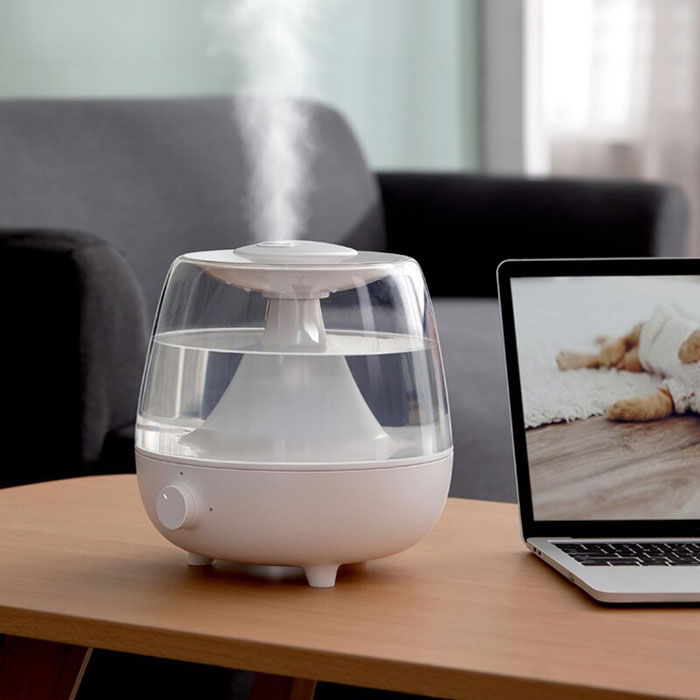
Why Bother Cleaning Your Humidifier? It’s More Than Just Dust
You might think a quick rinse is enough, but the stagnant water and warm internal parts of a humidifier create a five-star resort for mold, mildew, and bacteria. When the machine mists, it can spray these microscopic party crashers all over your room for you to breathe in.
- Health First: Inhaling these contaminants can trigger allergies, asthma, and even cause flu-like symptoms, a condition sometimes called “humidifier fever.” You bought your device to improve your health, not harm it.
- Peak Performance: Mineral deposits from tap water (that chalky “white dust”) can clog up your machine, reducing its efficiency and shortening its lifespan. A clean machine simply works better.
- No More Nasty Odors: That funky, damp smell is a dead giveaway that something is growing in the tank. A proper clean eliminates odors at the source.
As Dr. Eleanor Vance, an Indoor Air Quality Specialist, often states, “A dirty humidifier can aerosolize mold spores and bacteria, effectively distributing them throughout your living space. Regular, thorough cleaning isn’t just about maintenance; it’s a critical health practice.”
Your Cleaning Toolkit: What You’ll Need
The good news is you don’t need fancy, expensive cleaners. You probably have everything you need right under your kitchen sink.
- White vinegar
- Liquid chlorine bleach (optional, for disinfecting) OR 3% hydrogen peroxide
- A soft-bristled brush or an old toothbrush
- A soft cloth or sponge
- Water
How to Clean a Humidifier Properly: A Step-by-Step Guide
Ready to get started? This process works for most common types, like ultrasonic and evaporative humidifiers, but always glance at your user manual for any specific instructions.
- Safety First: Unplug and Disassemble
Before you do anything else, unplug the unit from the wall. Never clean an electronic device while it’s connected to power. Carefully take it apart: remove the water tank, lift out any filters, and separate any other removable parts. Lay them out on a towel. - Empty and Do an Initial Rinse
Pour out any old water from the tank and the base. Never just refill a tank that has old water in it. Give both the tank and the base a good rinse with cool water to wash away any loose debris. - The Deep Clean: Descaling with Vinegar
This is the magic step for getting rid of that crusty mineral buildup.- For the Tank: Pour 1-2 cups of undiluted white vinegar into the water tank. Swish it around to coat all the interior surfaces. Let it sit for at least 30-60 minutes. If you have heavy buildup, you can let it sit for a few hours.
- For the Base: Pour enough vinegar into the base to cover the areas where water usually sits. Let it soak for the same amount of time. Use your soft brush or toothbrush to gently scrub away any stubborn mineral deposits on the nebulizer (for ultrasonic models) or heating element.
- The Disinfecting Step: Banish Germs
After descaling, you need to disinfect. You have a couple of options here.- Option A (Bleach): Create a solution of 1 teaspoon of bleach per gallon of water. Fill the tank with this solution, swish it around, and let it sit for 15-20 minutes. Pour some of the solution into the base as well.
- Option B (Hydrogen Peroxide): If you’re wary of bleach, pour a few cups of 3% hydrogen peroxide into the tank and swish it around. Let it sit for about 30 minutes.
Important Safety Note: NEVER mix vinegar and bleach. This combination creates toxic chlorine gas. Make sure you have thoroughly rinsed out all the vinegar before you begin the disinfecting step.
- Rinse, Rinse, and Rinse Again
This step is crucial. Thoroughly rinse the tank, base, and all other components with clean water multiple times. You want to be absolutely sure you’ve removed all traces of vinegar or your disinfecting solution. The last thing you want is to breathe in those fumes. - Dry Completely
Wipe all the parts down with a clean, dry cloth. Then, let everything air dry completely before you reassemble it. Putting it back together while still damp is an open invitation for mold to grow right back. - Don’t Forget the Filter and Exterior
- Filter Check: If you have an evaporative humidifier with a wick filter, check its condition. Some can be rinsed in cool water (don’t wring them out!), but most need to be replaced regularly. A hard, crusty filter is useless.
- Wipe Down: Use a damp cloth to wipe down the outside of the humidifier to keep it looking fresh.
How Often Should I Clean My Humidifier?
Consistency is key. A little bit of maintenance goes a long way.
- Every Day: Empty, rinse, and dry the tank and base. Refill with fresh water.
- Every Week: Perform the full deep clean and disinfecting process outlined above.
- As Needed: Replace your filter according to the manufacturer’s recommendations (usually every 30-60 days).
Pro Tips for a Cleaner, Happier Humidifier
Want to make cleaning even easier and improve your air quality? Follow these expert tips.
- Use Distilled or Demineralized Water: The infamous “white dust” is simply mineral content from your tap water being dispersed into the air. Using distilled water virtually eliminates this problem, keeps your humidifier cleaner for longer, and is better for the air you breathe.
- Change the Water Daily: Think of the water in your tank like a small, stagnant pond. The longer it sits, the more things can grow in it. Fresh water every day is a non-negotiable.
- Store It Dry: If you’re putting your humidifier away for the season, make sure you do one final, thorough cleaning and ensure every single part is bone-dry before you pack it up.
Frequently Asked Questions
What happens if I don’t clean my humidifier?
If you don’t clean it, your humidifier can become a breeding ground for mold and bacteria. It will then pump these harmful contaminants into your air, potentially causing respiratory issues, allergic reactions, and unpleasant odors. It also leads to mineral buildup that can damage the machine.
Can I use tap water in my humidifier?
You can, but it’s not ideal, especially if you have hard water. Tap water contains minerals that get released as fine white dust, which can settle on furniture and be inhaled. These minerals also cause scale buildup inside the machine, requiring more frequent and difficult cleaning. Distilled water is the best choice.
How can I tell if my humidifier has mold?
You might see visible black, green, or pink slimy spots inside the tank or on the components. Another major sign is a musty, earthy smell coming from the unit when it’s running. If you see or smell anything funky, it’s time for an immediate deep clean.
Can I run my humidifier all night?
Yes, it is generally safe to run a humidifier all night, and it can be very beneficial for preventing a dry throat and nasal passages. However, it’s a good idea to use a hygrometer to monitor the room’s relative humidity. You should aim for a level between 40% and 60%. Too much humidity can encourage mold growth in your room.
Can I put essential oils in my humidifier?
Unless your humidifier is specifically designed as an aroma diffuser, you should not add essential oils. The oils can degrade the plastic tank and internal components, causing them to break down and ruin the unit. They can also create a sticky buildup that is difficult to clean.
Breathe Easy, Breathe Clean
Learning how to clean a humidifier properly is a simple skill that pays huge dividends for your health and home. It transforms your device from a potential liability into a powerful tool for wellness. By making this quick cleaning routine a weekly habit, you ensure that every breath of moist air your humidifier produces is as clean and pure as it is comfortable. So go ahead, give your humidifier the spa day it deserves. Your lungs will thank you for it.