Let’s be real for a moment. You bought a humidifier to make your life better. To soothe a dry throat, help your skin glow, or maybe just to stop those annoying static shocks every time you touch a doorknob in winter. But have you ever peeked inside the tank and seen that weird pink slime or caught a whiff of something… musty? If so, you’re in the right place. That wonderful machine designed to improve your air quality can quickly turn into a germ-launching cannon if you don’t clean it properly. Learning How To Disinfect A Humidifier To Kill Germs isn’t just a chore; it’s a critical step to ensure you’re breathing clean, healthy, and genuinely helpful moisture.
Are you worried that the mist you’re breathing in might be doing more harm than good? Don’t stress. We’re about to walk through the entire process, step-by-step, turning you into a humidifier maintenance pro.
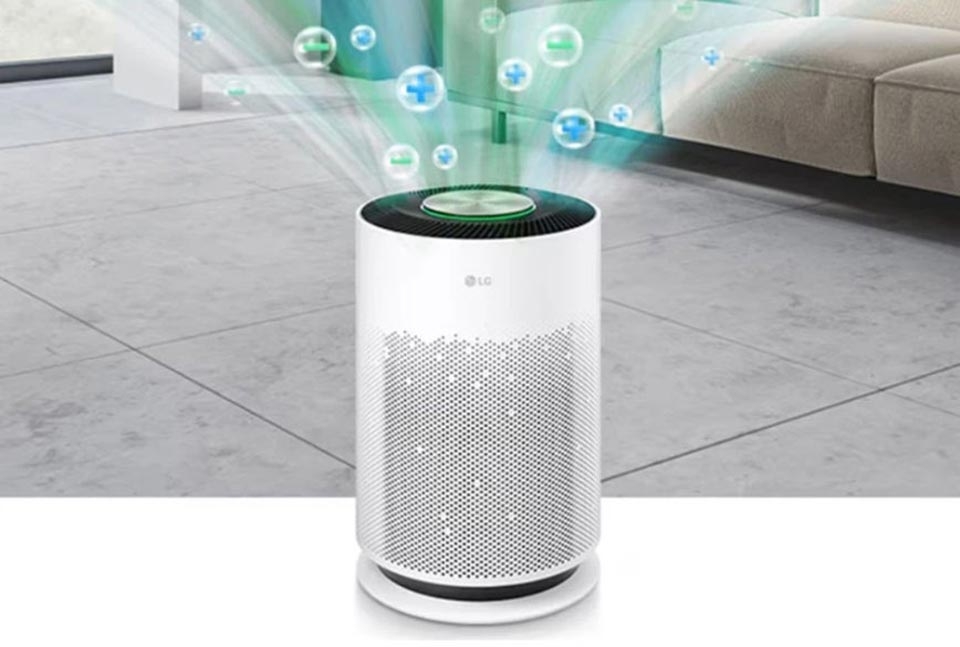
Why a Dirty Humidifier Is a Health Hazard
Before we roll up our sleeves, it’s crucial to understand why this is so important. Think of your humidifier’s water tank as a tiny, indoor pond. If left stagnant, it becomes the perfect vacation spot for all sorts of unwanted guests.
- Bacteria and Mold: The standing water and warm, moist environment are a five-star resort for bacteria and mold spores. When the humidifier runs, it aerosolizes these contaminants, spraying them directly into the air you breathe. This can lead to what’s sometimes called “humidifier fever,” with flu-like symptoms, or it can trigger allergies and asthma.
- Mineral Buildup (Scale): If you use tap water, you’ve probably seen a chalky, white residue building up. This is limescale. While not inherently dangerous, it can clog the machine and become a rough surface where germs can easily attach and multiply.
- White Dust: In ultrasonic models, the minerals in tap water are turned into a fine white dust that settles on your furniture. While mostly a nuisance, it can be an irritant for sensitive individuals.
A clean machine avoids all this. The goal is to produce a pure, clean mist, and that starts with a sparkling clean humidifier.
Bảng trống.Your Cleaning Arsenal: What You’ll Need
The good news is you don’t need fancy, expensive cleaners. The most effective tools are likely already in your kitchen cupboards.
- Distilled White Vinegar: Your go-to for breaking down mineral buildup (descaling). Its acidic nature makes it tough on scale but gentle on your machine’s parts.
- Bleach or 3% Hydrogen Peroxide: Your disinfecting superstar. This is what will actually kill the germs, mold, and bacteria. Crucial Safety Note: Never, ever mix vinegar and bleach. This combination creates toxic chlorine gas. Complete the vinegar step and rinse thoroughly before you even think about using bleach.
- A Soft-Bristled Brush: An old toothbrush or a small bottle brush works perfectly for getting into tight corners and scrubbing away stubborn grime.
- Clean Cloths or Sponges: For wiping down components.
- Water: For rinsing. Using distilled or demineralized water for the final rinse can help prevent immediate mineral buildup.
The Definitive Guide: How to Disinfect a Humidifier to Kill Germs
Ready to get this done? Let’s break it down into simple, manageable steps. This process works for most common types, including ultrasonic and evaporative cool mist humidifiers. Always check your user manual first for any specific instructions.
- Safety First: Unplug and Disassemble
Before you do anything else, unplug the humidifier from the wall. Safety is non-negotiable. Carefully take the machine apart. This usually means separating the water tank from the base and removing any filters, wicks, or other removable parts. Lay everything out on a towel. - The Vinegar Soak: Banish the Mineral Buildup
This step tackles the scale. Fill the base and/or tank with a solution of one part white vinegar and one to two parts water. You want enough to cover the areas where water normally sits. Let it soak for at least 30-60 minutes. You might even see it fizzing a little as the acid works on the mineral deposits. For any smaller parts, you can soak them in a separate bowl. - Scrub-a-Dub-Dub: Get Rid of the Grime
After the soak, pour out the vinegar solution. Use your soft-bristled brush to gently scrub the inside of the tank and base. The vinegar will have loosened most of the scale, so it should come off easily. Pay extra attention to any nooks, crannies, and the mist outlet. - Rinse It All Away
Rinse every component thoroughly with cool water until you can no longer smell the vinegar. This is a vital step before moving on to disinfection to avoid any dangerous chemical reactions. - The Disinfection Stage: Time to Kill the Germs
This is the core of how to disinfect a humidifier to kill germs. You have two main options:- Option A: Bleach Solution (The Powerhouse): Create a solution of 1 teaspoon of liquid chlorine bleach per gallon of water. Fill the tank with this solution, swish it around to coat all surfaces, and let it sit for 30 minutes. Some people also carefully pour a small amount into the base reservoir to disinfect it as well.
- Option B: Hydrogen Peroxide (The Gentler Alternative): If you’re hesitant to use bleach, a few cups of 3% hydrogen peroxide poured directly into the tank and base will also work. Swirl it around and let it sit for about 30 minutes.
Expert Advice from Humidifiert: “The biggest mistake people make is the ‘set it and forget it’ mentality,” notes Dr. Eleanor Vance, an Indoor Air Quality Specialist. “A humidifier’s water tank is an ideal incubator for microorganisms if not maintained. Daily water changes and weekly cleanings aren’t just suggestions; they are essential for your respiratory health.”
- Final Rinse: Leave No Trace
This might be the most important step. You absolutely must rinse every part of the humidifier multiple times after disinfecting. Any leftover bleach or peroxide residue can be harmful if aerosolized. Rinse until there is absolutely no chemical smell remaining. - Air Dry Completely
Don’t just wipe it down and put it back together. Place all the parts on a dry towel and let them air dry completely. A damp environment is what got us into this mess in the first place, so ensuring everything is bone-dry prevents mold from immediately starting to grow again. - Reassemble and Breathe Easy
Once everything is clean and dry, put your humidifier back together. Fill it with fresh, cool water (distilled is best!), and you’re ready to enjoy clean, healthy humidity.
Creating a Foolproof Cleaning Schedule
To avoid having to do a major deep clean every time, a little regular maintenance goes a long way.
Daily Checklist:
- Empty the tank and base.
- Wipe them dry with a clean cloth.
- Refill with fresh, distilled, or demineralized water right before use.
Weekly Checklist:
- Perform steps 1-4 of the guide above (the vinegar soak and scrub). This will keep mineral buildup under control and make your monthly deep clean much easier.
- If your model has a filter, check it. Some can be rinsed, while others need to be replaced. Follow the manufacturer’s guidelines.
Monthly Checklist:
- Perform the full disinfection process (steps 1-8) to ensure you’re consistently killing any lingering germs.
Frequently Asked Questions (FAQ)
Q: How often should I fully disinfect my humidifier?
A: A full disinfection using bleach or hydrogen peroxide should be done at least once a month, or more often if someone in the house has allergies, asthma, or a compromised immune system. A weekly descaling with vinegar is also highly recommended.
Q: What is the pink or orange slime in my humidifier?
A: That’s typically an airborne bacterium called Serratia marcescens. It thrives in damp conditions. While usually harmless to most people, it’s a clear sign your humidifier is overdue for a thorough cleaning and disinfection.
Q: Can I use tea tree oil or other essential oils to disinfect my humidifier?
A: No. While some essential oils have antimicrobial properties, they are not effective enough to properly disinfect the unit. More importantly, most standard humidifiers (especially ultrasonic ones) are not designed for oils and can be damaged. Only use oils if your unit has a specific aromatherapy tray.
Q: Is it safe to run my humidifier with vinegar in it to clean the air?
A: Please don’t do this. Running vinegar through your humidifier can irritate your lungs and throat and may damage the machine’s internal components. Vinegar is for cleaning the device when it’s off, not for “cleaning” the air.
Q: My humidifier still smells musty after cleaning. What now?
A: If a musty smell persists, it likely means the filter or wick needs to be replaced. These components can trap odors and spores. If your model is filter-free, you may need to repeat the disinfection process, letting the solution soak for a bit longer.
A Breath of Fresh, Clean Air
Your humidifier is a powerful tool for creating a more comfortable and healthy home environment, but it requires a little bit of care. By making this cleaning routine a regular habit, you’re not just maintaining a household appliance; you’re actively protecting your family’s respiratory health. Now that you know exactly how to disinfect a humidifier to kill germs, you can be confident that every puff of mist it produces is nothing but pure, clean, and soothing moisture.