You love your humidifier, right? It’s that trusty little appliance that turns your dry, scratchy bedroom into a comfortable oasis, especially during those harsh winter months. But here’s the flip side: while you’re enjoying that soothing mist, have you ever wondered what else might be lurking inside? The very same water and warmth that soothe your sinuses can also create a perfect breeding ground for unwanted guests. That’s why knowing How To Prevent Mold And Bacteria In Your Humidifier isn’t just about maintenance—it’s about protecting your health.
Are you dealing with a musty smell or have you spotted some funky pink or black gunk in the tank? Don’t worry, you’re not alone. It’s a common issue, but one that’s thankfully easy to solve. Let’s dive into everything you need to know to keep your humidifier running clean, safe, and effective.
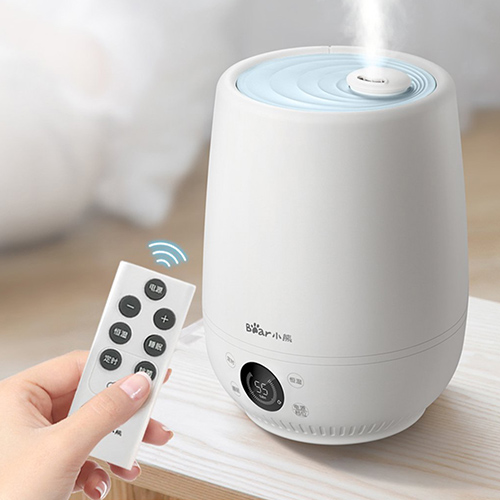
Why Your Humidifier Can Become a Germ Hotspot
Think of your humidifier’s water tank as a tiny, indoor pond. It’s dark, it’s wet, and it’s often at room temperature. For mold spores and bacteria floating in your home’s air, this is basically a five-star tropical resort. They land in the water, multiply, and can then get dispersed back into your air as part of that fine mist you breathe in.
This isn’t just an “ick” factor; it can be a genuine health concern. Inhaling these microorganisms can trigger allergies, asthma, and even lead to respiratory issues, sometimes called “humidifier fever.” The key to avoiding this is turning their paradise into a place they can’t survive. And that all comes down to a consistent cleaning routine.
Bảng trống.Your Ultimate Step-by-Step Cleaning Guide
Let’s get down to business. Descaling and disinfecting your humidifier should be a weekly ritual. It sounds like a chore, but once you get the hang of it, it takes less than 15 minutes of active work.
Here’s a simple, effective method using a household staple: white vinegar.
- Safety First: Unplug and Disassemble. Never clean your humidifier while it’s plugged in. Empty any remaining water from the tank and base, and take apart all removable pieces (the tank, cap, mist nozzle, etc.).
- The Vinegar Soak (Descaling). Mineral buildup from tap water (that chalky white stuff) creates a rough surface that germs love to cling to. To dissolve it, place the base and smaller parts in a sink or basin. Fill the base with a solution of one part white vinegar and one part water, letting it soak for at least 30-60 minutes. Do the same for the tank, swishing the vinegar solution around to coat all surfaces.
- The Gentle Scrub. After soaking, use a soft-bristled brush (an old toothbrush works wonders) to gently scrub away any remaining residue. Pay close attention to nooks and crannies where buildup hides. Avoid using abrasive sponges, as they can scratch the plastic, creating new hiding spots for bacteria.
- Rinse, Rinse, and Rinse Again. This step is crucial. Thoroughly rinse all components with cool water until the vinegar smell is completely gone. You don’t want your soothing mist smelling like a salad dressing.
- Air Dry Completely. This might be the most important step of all. Don’t just wipe the parts down; let them air dry completely before you reassemble the unit. A damp environment is exactly what you’re trying to prevent. Place them on a clean towel in a well-ventilated area.
“A common mistake I see is people reassembling their humidifier while it’s still slightly damp,” notes Dr. Eleanor Vance, an Indoor Air Quality Specialist. “That small amount of leftover moisture is all mold needs to get a foothold. Patience is your best friend here; a completely dry unit is a clean unit.”
Daily and Weekly Habits for a Mold-Free Humidifier
The secret to mastering how to prevent mold and bacteria in your humidifier lies in consistency. A weekly deep clean is fantastic, but a few daily habits will make that job infinitely easier and more effective.
The 2-Minute Daily Drill
- Use Fresh Water Daily. Never, ever top off old water. At the start of each day, dump out any leftover water, give the tank a quick rinse, and refill it with fresh water. Stagnant water is a party invitation for germs.
- Wipe Down the Base. After emptying the water, use a clean cloth or paper towel to wipe the base dry.
Your Weekly Deep Clean
- Follow the Steps Above. Set aside a specific time each week—say, Sunday morning—to perform the vinegar soak and scrub. Making it part of your routine ensures it never gets forgotten.
Does the Type of Water I Use Matter?
In a word, yes! It absolutely matters. While tap water is convenient, it can cause two main problems:
- White Dust: This is the fine, white powder you might see on furniture near your humidifier, especially if it’s an ultrasonic model. It’s simply the mineral content (like calcium and magnesium) from your tap water being dispersed into the air.
- Mineral Buildup: These same minerals create that stubborn scale inside your machine, providing a textured surface for mold and bacteria to grow on.
Your Best Bet: Distilled or Demineralized Water
Using distilled or demineralized water is the single best upgrade you can make to your humidifier routine. Since all the minerals have been removed, it virtually eliminates white dust and significantly slows down scale buildup, making your cleaning process much easier and more effective.
| Water Type | Pros | Cons | Best For |
|---|---|---|---|
| Tap Water | Free, convenient | Causes mineral buildup (scale) and white dust | Not recommended, especially in hard water areas |
| Filtered Water | Reduces some impurities | May not remove all minerals | Better than tap, but not ideal |
| Distilled Water | No minerals, no white dust, less buildup | Needs to be purchased | The gold standard for all humidifier types |
Smart Humidifier Usage to Stop Growth in its Tracks
Beyond cleaning and water choice, how you use your humidifier plays a big role.
What is the best humidity level for a bedroom?
The ideal relative humidity level for comfort and health is between 40% and 60%. You can easily monitor this with an inexpensive device called a hygrometer.
Keeping your home within this range does two things. First, it’s the sweet spot for relieving dry skin and sinuses. Second, it helps prevent mold growth. Humidity levels above 60% can lead to condensation on windows and walls, creating the damp conditions mold loves throughout your room, not just in the humidifier.
How Should I Store My Humidifier?
When the dry season ends, don’t just stick your humidifier in a closet. Improper storage is a leading cause of a moldy surprise next winter.
- Give it One Final, Thorough Clean. Perform the full descaling and disinfecting process.
- Ensure It’s Bone-Dry. This is non-negotiable. Let every single component air dry for a day or two if needed.
- Store it in a Dry Place. Put the unit back in its original box, if you have it, and store it in a dry closet or on a shelf, not in a damp basement or garage.
Frequently Asked Questions (FAQ)
Q: How often should I really clean my humidifier?
A: A full deep clean with a vinegar solution should be done at least once a week. The water should be changed out for fresh water every single day you use it. Consistency is key.
Q: Can I use bleach to clean my humidifier?
A: While some manufacturers allow a heavily diluted bleach solution for disinfection, it can be harsh on the plastic and dangerous if not rinsed properly. The EPA suggests it as an option, but white vinegar is generally a safer, non-toxic, and effective first choice for routine cleaning. Always check your user manual first.
Q: What is the pink slime I see in my humidifier?
A: That pinkish-orange slime is a common airborne bacterium called Serratia marcescens. It thrives in damp environments. While generally harmless to most healthy people, it’s a clear sign your humidifier is overdue for a thorough cleaning.
Q: Can a dirty humidifier actually make me sick?
A: Yes. A contaminated humidifier can aerosolize mold spores and bacteria, which you then inhale. This can cause flu-like symptoms, trigger allergy or asthma attacks, and lead to respiratory irritation, a condition sometimes called “humidifier fever.”
Q: Is it okay to run my humidifier all night?
A: Absolutely, that’s often when it’s most beneficial for preventing a dry throat and nose. The key is to monitor the room’s humidity with a hygrometer. Many modern humidifiers have a built-in humidistat that will automatically shut the unit off when the desired humidity level (e.g., 50%) is reached, which is an excellent feature for overnight use.
The Takeaway: A Clean Humidifier is a Healthy Humidifier
Your humidifier is a powerful tool for improving your home’s comfort and your family’s health. But like any tool, it requires proper care. By making a simple cleaning routine part of your weekly schedule, using the right water, and following smart usage habits, you can enjoy all the benefits of perfect humidity without any of the worries.
Ultimately, learning how to prevent mold and bacteria in your humidifier is a simple investment in the quality of the air you breathe every day. So, go ahead and give your machine the quick clean it deserves—your lungs will thank you.