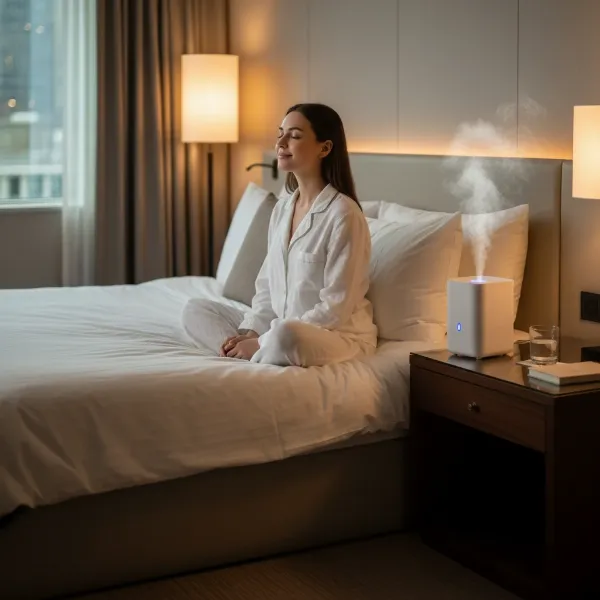
Waking up to a perfect indoor climate, only to discover an unsightly pink film coating the inside of your humidifier tank, can be quite a jolt. This common issue, often mistaken for mold, is actually a pervasive bacteria known as Serratia marcescens. While not as dangerous as black mold, its presence indicates an unhygienic environment that can compromise your indoor air quality and, in rare cases, pose risks to individuals with compromised immune systems. Keeping your humidifier pristine is not just about aesthetics; it’s a critical aspect of ensuring the very air you breathe is clean and healthy. This comprehensive guide will equip you with the knowledge and practical strategies to effectively prevent pink slime from ever taking hold in your humidifier, ensuring its longevity and your family’s well-being.
Understanding Pink Slime: Is It Mold or Bacteria?
What exactly is the pink growth that often appears in your humidifier tank? The pink, slimy substance frequently observed in humidifiers and other damp environments is typically not mold, but a common airborne bacterium called Serratia marcescens. This microorganism thrives in moist conditions and feeds on phosphorus and fatty substances, often found in stagnant water and mineral deposits. It produces a reddish-pink pigment, giving it its distinctive color and leading many to mistakenly identify it as pink mold.
While generally considered low risk for healthy individuals, Serratia marcescens can be an opportunistic pathogen, potentially causing infections in those with weakened immune systems, infants, or the elderly. Its presence in your humidifier signals an unhygienic condition that can introduce bacteria into the air you breathe, counteracting the very purpose of using a humidifier for better air quality. Preventing its growth is therefore crucial for maintaining a truly healthy indoor environment.
The Ideal Breeding Ground: Why Humidifiers Attract Pink Slime
Humidifiers, by their very nature, create the perfect conditions for Serratia marcescens to flourish. Understanding these factors is the first step in effective prevention. The primary culprits include stagnant water, the warmth generated by the unit’s operation, and accumulated mineral deposits.
Stagnant water provides a continuous source of moisture and allows bacteria to multiply unchecked. When water sits in the tank for extended periods, especially overnight or when the humidifier is not in use, it becomes a breeding ground. The ambient warmth from the humidifier’s motor or heating element (in warm mist models) further accelerates bacterial growth, creating an incubator-like effect. Lastly, tap water contains various minerals that, when left behind as water evaporates, create rough surfaces and deposits. These deposits offer sheltered nooks and crannies where bacteria can attach and form biofilms, making them harder to dislodge with simple rinsing. Combined, these elements create an inviting habitat for pink slime, transforming a beneficial appliance into a potential source of airborne contaminants.
Proactive Prevention: Daily Habits for a Pristine Tank
Preventing pink slime in your humidifier tank is largely about establishing a consistent routine of simple daily habits. These small actions collectively make a significant difference in maintaining a clean and healthy unit.
Daily Rinsing and Drying: The most critical step is to empty and thoroughly rinse the humidifier tank every single day. Don’t just top it off; discard any leftover water. After rinsing with fresh water, wipe down the inside of the tank and allow all components to air dry completely before refilling. This eliminates stagnant water and prevents bacteria from settling.
Using Distilled or Demineralized Water: Tap water is laden with minerals and impurities that Serratia marcescens can feed on. Switching to distilled or demineralized water significantly reduces the mineral content, thereby limiting the food source for bacteria and minimizing mineral scale buildup that provides hiding spots. This practice is highly recommended for all humidifier types.
Proper Placement and Ventilation: Ensure your humidifier is placed in an area with good air circulation, away from direct sunlight or heat sources that could further warm the water. Good ventilation helps prevent excessive condensation around the unit, which can also contribute to bacterial growth in the surrounding area. Regularly cleaning the area around the humidifier also helps.
Deep Cleaning Protocols: Weekly and Monthly Maintenance
While daily maintenance is crucial, periodic deep cleaning is essential to tackle any lingering bacteria or mineral buildup that daily rinses might miss. These more intensive cleaning protocols should be performed weekly and monthly.
Weekly Cleaning with Vinegar: Once a week, disassemble your humidifier according to the manufacturer’s instructions. Fill the tank with a solution of equal parts white vinegar and water. Let it soak for at least 30 minutes to an hour. For the base and other small parts, soak them in the same solution. Vinegar is a natural disinfectant and descaler, effective against both bacteria and mineral deposits. After soaking, use a soft brush or cloth to scrub away any film or buildup. Rinse all components thoroughly with clean water until the vinegar smell is gone.
Monthly Sanitization (Bleach Solution): For a more potent sanitizing action, perform a monthly cleaning using a dilute bleach solution. After your weekly vinegar cleaning, mix one teaspoon of household bleach with one gallon of water. Pour this solution into the tank and let it sit for about 30 minutes. For other smaller components, immerse them in the solution for the same duration. Bleach is highly effective at killing bacteria and mold spores. After the soaking period, it is absolutely critical to rinse all parts meticulously, multiple times, to ensure no bleach residue remains. Any lingering bleach can be harmful if aerosolized. Always consult your humidifier’s manual first, as some manufacturers advise against using bleach.
> “Consistent and thorough cleaning is the bedrock of humidifier hygiene. Skipping even a few days can give harmful microorganisms the window they need to establish a foothold.” – Dr. Elena Petrova, Environmental Health Specialist
Choosing Your Humidifier Wisely: Features That Fight Slime
The initial choice of your humidifier can significantly impact how easy it is to keep pink slime at bay. Modern humidifiers offer various features designed to minimize bacterial growth and simplify maintenance.
Antimicrobial Tanks: Many newer models incorporate antimicrobial materials, such as silver ion-infused plastics, into their water tanks. These materials naturally inhibit the growth of bacteria, mold, and algae, providing an extra layer of defense against pink slime. While not a substitute for regular cleaning, they can certainly reduce the frequency and severity of bacterial buildup.
Easy-to-Clean Designs: Look for humidifiers with wide tank openings and fewer intricate nooks and crannies. Tanks that are easy to access allow for thorough scrubbing and drying, preventing areas where bacteria can hide. Some designs feature removable components that are dishwasher safe, streamlining the cleaning process even further.
UV Light Technology: Some advanced humidifiers integrate UV-C light technology to purify the water before it’s dispersed into the air. The UV light effectively kills bacteria, viruses, and mold spores present in the water, significantly reducing the chance of them being released into your home or contributing to tank slime. This feature offers enhanced peace of mind, particularly for those with health sensitivities. Investing in a humidifier with these features can make your fight against pink slime considerably easier and more effective.
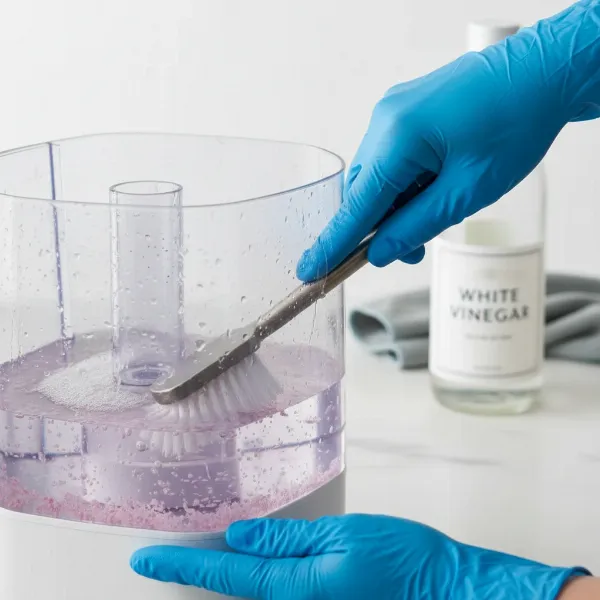 A person diligently cleaning a humidifier tank, scrubbing away pink residue with a brush and using white vinegar solution.
Conclusion
Preventing pink slime, or Serratia marcescens, in your humidifier tank is a straightforward yet critical task for maintaining a healthy home environment. By consistently practicing daily rinsing, using distilled water, and performing weekly and monthly deep cleans with vinegar or a dilute bleach solution, you can effectively thwart bacterial growth. Choosing a humidifier with antimicrobial features or UV technology can further simplify this process, offering an additional layer of protection. Remember, a clean humidifier is an efficient humidifier, ensuring you breathe nothing but pure, moisturized air. What steps will you implement first to keep your humidifier tank spotless?
Frequently Asked Questions
Is pink mold in a humidifier dangerous?
|
Our Picks for the Best Humidifier in 2026
As an Amazon Associate I earn from qualifying purchases.
|
||
| Num | Product | Action |
|---|---|---|
| 1 | LEVOIT Humidifiers for Bedroom Large Room Home, (6L) Cool Mist Top Fill Essential Oil Diffuser for Baby & Plants, Smart App & Voice Control, Rapid Humidification & Auto Mode - Quiet Sleep Mode, Gray |

|
| 2 | Dreo Humidifiers for Bedroom, 4L Top Fill for Large Room, 36H Runtime, 28 dB Quiet Supersized Cool Mist Air Humidifier for Baby Nursery, Plants, Indoor, Night Light, Easy to Clean & Fill, White |
|
| 3 | Dreo Smart Humidifiers for Bedroom, Top Fill 4L Supersized Humidifier Large Room with 28 dB, 36H Runtime, Touch/APP/Voice Control, Nightlight, Cool Mist Humidifiers for Baby, Plants, Indoor, Black |
|
| 4 | LEVOIT Top Fill Humidifiers for Bedroom, 2.5L Tank for Large Room, Easy to Fill & Clean, 28dB Quiet Cool Mist Air Humidifier for Home Baby Nursery & Plants, Auto Shut-off for Safety, 25H |
|
| 5 | DREO Humidifiers for Bedroom, 3L Top Fill 30H & 26dB Quiet Runtime for Large Room, Cool Mist Ultrasonic Humidifier with Humidity Sensor, Night Light for Home, Baby, Nursery, Plants, New Edition |
|
| 6 | COO Humidifiers for Bedroom, 2L Tank for Large Room, 30 Hour Runtime, 28dB Quiet Cool Mist Humidifier for Home, Baby Nursery, Plants, Indoor, Office, Easy to Fill & Clean,Night Light and Auto Shut-off |
|
| 7 | Homvana Humidifiers for Bedroom Home, 3.6 L Cool Mist Top-Fill 34H Super Long Time, Quiet 23dB, Baby Humidifier, Oil Diffuser for Large Room, House, Plant, Nursery, Office, BPA FREE, Ultrasonic (Grey) |
|
| 8 | LEVOIT - Humidifiers for Bedroom - Quiet (3L Water Tank) - Cool Mist/Top Fill/Essential Oil Diffuser/25Watt - Home/Large Room - 360° Nozzle - Rapid Ultrasonic Humidification for Baby Nursery/Plant |
|
| 9 | MegaWise Topfill 7-colour Night light humidifier for Kid bedroom with 3.5L Large Capacity, No leakage Design Fine Mist Output Auto Shutoff, Essential Oil Safe Tank |
|
| 10 | DREO 6L Top Fill Humidifiers for Bedroom, 60H Runtime 28 dB Quiet Supersized Cool Mist Air Humidifiers for Large Room, Baby Nursery, Plant, Indoor, Night Light, Easy to Clean, Precise Humidity Control |
|
The pink substance is typically Serratia marcescens bacteria, not mold. While generally low risk for healthy individuals, it can pose a health concern for infants, the elderly, or those with compromised immune systems, potentially leading to respiratory issues if inhaled.
How often should I clean my humidifier to prevent pink slime?
You should empty and rinse the humidifier tank daily. Perform a more thorough cleaning with vinegar weekly, and a sanitizing clean with a dilute bleach solution (if compatible with your unit) monthly to effectively prevent pink slime buildup.
Can I use tap water in my humidifier?
While you can use tap water, it contains minerals that promote bacterial growth and mineral buildup. Using distilled or demineralized water is highly recommended to significantly reduce the chances of pink slime and extend your humidifier’s lifespan.
What is the best solution for cleaning pink slime from a humidifier?
A solution of equal parts white vinegar and water is excellent for weekly cleaning and descaling. For monthly sanitization, a dilute bleach solution (one teaspoon per gallon of water) is effective, but always rinse thoroughly and check your humidifier’s manual.
Why does pink slime keep coming back even after cleaning?
Pink slime often reappears due to incomplete drying of the tank, using tap water, or not cleaning frequently enough. Ensure daily rinsing, complete drying, and consistent weekly/monthly deep cleaning with distilled water for best results.
Are there humidifiers that are naturally resistant to pink mold?
Some humidifiers feature antimicrobial-treated tanks or utilize UV-C light technology to kill bacteria in the water. While these features help, they do not eliminate the need for regular cleaning and maintenance.
Can essential oils prevent pink slime in my humidifier?
No, essential oils are not a substitute for cleaning and cannot prevent Serratia marcescens growth. Furthermore, adding essential oils to most humidifiers is not recommended as it can damage the unit or release harmful compounds into the air.