Ever brought home a brand-new ultrasonic humidifier, excited for the whisper-quiet relief from dry air, only to find a fine, chalky white dust settling on your furniture, electronics, and floors a few days later? You’re not alone. It’s a common—and frankly, annoying—side effect. But before you banish your new gadget to the back of the closet, I’m here to tell you there are simple, effective ways to solve this. As a specialist at Humidifiert, I’ve helped countless people tackle this exact issue, and today, I’ll show you How To Prevent White Dust From Ultrasonic Humidifiers for good, so you can enjoy all the benefits without the cleanup.
So, are you ready to say goodbye to that dusty film and hello to clean, comfortable air? Let’s dive in.
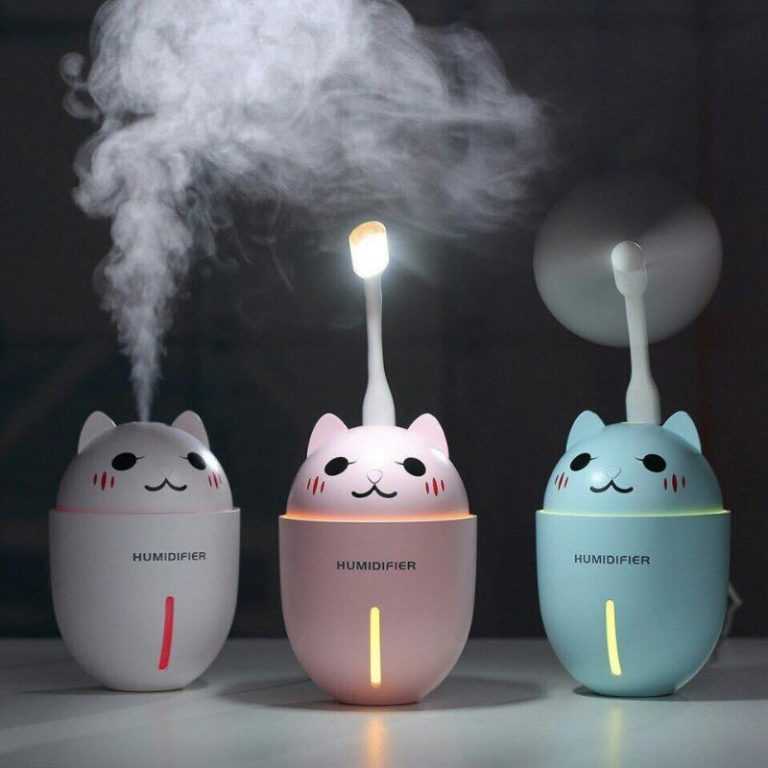
First Off, What Exactly Is This White Dust?
Before we can defeat the enemy, we need to know what it is. That white dust isn’t a sign that your humidifier is broken or dirty. In fact, it’s proof that it’s working exactly as designed.
Ultrasonic humidifiers create a cool mist by using a high-frequency vibrating diaphragm to break water into microscopic droplets, which are then fanned into your room. It’s an incredibly efficient and quiet method. The catch? It aerosolizes everything in the water—including minerals.
The white dust is simply the leftover mineral residue from your tap water, primarily calcium and magnesium. Think of it like the hard water spots you see on a glass after it air-dries. Your humidifier is just spreading those microscopic mineral particles around the room.
While the U.S. Environmental Protection Agency (EPA) states that this mineral dust is generally not considered a serious health risk for most people, it can be an irritant for individuals with asthma or allergies. Plus, it just doesn’t look great on your beautiful dark wood coffee table.
The Ultimate Guide on How to Prevent White Dust from Ultrasonic Humidifiers
The solution is surprisingly straightforward: control what’s in the water before it gets turned into mist. Here are the most effective methods, from the gold standard to practical alternatives.
1. Change Your Water: The Gold Standard Solution
This is, without a doubt, the most effective way to eliminate white dust entirely. If there are no minerals in the water, there’s no mineral dust to be dispersed.
Use Distilled Water
Distilled water is the undisputed champion. The distillation process removes virtually all minerals and impurities. Using it in your humidifier means you get pure water vapor, and nothing else. It’s the cleanest, safest, and most effective option for preventing white dust. I personally switched to distilled water for the humidifier in my bedroom, and the difference was night and day.
- Pros: Completely eliminates white dust, extends the life of your humidifier by preventing mineral buildup.
- Cons: Can be costly and inconvenient to buy regularly.
Use Demineralized Water
Very similar to distilled water, demineralized water has also had its mineral content removed through processes like reverse osmosis or deionization. It’s another excellent choice for a dust-free experience.
2. Use a Demineralization Cartridge or Filter
If buying purified water feels like a hassle, your next best bet is to filter the minerals out at the source. Many ultrasonic humidifiers are designed to be used with a demineralization cartridge.
These cartridges or filters fit directly inside the humidifier’s water tank and work like tiny magnets, trapping minerals from the water before they can be vaporized.
How to use them:
- Check your humidifier’s manual to see if it’s compatible with a demineralization filter.
- Purchase the correct cartridge for your model.
- Simply drop it into the water tank as instructed.
- Crucially, replace the cartridge regularly—typically every 30-60 days, depending on your water hardness and usage. A spent cartridge is no better than having no cartridge at all.
This is a great middle-ground solution. It’s more convenient than buying jugs of water but requires a small ongoing investment in new cartridges.
3. Keep Your Humidifier Spotlessly Clean
While cleaning won’t stop minerals in your tap water from becoming dust, it’s a non-negotiable step for two reasons:
- It prevents mineral scale from building up on the ultrasonic diaphragm, which can reduce its efficiency.
- More importantly, it prevents the growth of mold and bacteria in the tank, which are far more harmful to breathe than mineral dust.
As Dr. Eleanor Vance, an Indoor Air Quality Specialist, often says, “A clean humidifier is a healthy humidifier. Regular maintenance not only improves the air you breathe but ensures your device performs optimally for years to come.”
A Simple Weekly Cleaning Routine:
- Unplug the unit. Safety first!
- Empty the tank and base of any remaining water.
- Descale with vinegar. Fill the base and/or tank with a solution of one part white vinegar to one part water. Let it sit for 20-30 minutes to dissolve any mineral buildup. Never mix vinegar and bleach.
- Gently scrub. Use a soft brush (an old toothbrush works great) to gently scrub away any stubborn residue, especially around the delicate ultrasonic membrane.
- Rinse thoroughly. Rinse all parts with clean water until the vinegar smell is gone. You don’t want your room smelling like a salad dressing.
- Dry completely before reassembling.
What About Other Water Types?
You might be wondering about other common water sources. Here’s a quick rundown:
- Filtered Water (e.g., from a pitcher): Most standard carbon filters are designed to improve taste and smell by removing chlorine, not dissolved mineral solids. They will not prevent white dust.
- Boiled Water: Boiling water kills germs, but it actually concentrates the minerals as the water evaporates. It will make the white dust problem worse, not better.
- Softened Water: Water softeners work by swapping “hard” minerals like calcium and magnesium for sodium. While this prevents scale in your pipes, your humidifier will now release fine white sodium dust instead. It’s not a solution for this particular problem.
Could an Evaporative Humidifier Be a Better Fit for You?
If you live in an area with very hard water and find the upkeep of an ultrasonic model frustrating, you might consider a different type of technology altogether. Evaporative humidifiers are a fantastic alternative that inherently prevents white dust.
They work by using a fan to blow air over a saturated wick filter. The water evaporates into the air, but the minerals are left behind, trapped in the filter.
| Feature | Ultrasonic Humidifier | Evaporative Humidifier |
|---|---|---|
| White Dust | Yes, with tap water | No, minerals are trapped in the filter |
| Noise Level | Whisper-quiet | Makes a fan noise |
| Mist Type | Visible cool mist | Invisible moisture |
| Maintenance | Regular descaling, water choice is key | Must replace wick filter regularly |
| Cost | Generally affordable | Wide range of prices |
An evaporative model could be the perfect “set it and forget it” solution if your primary concern is avoiding white dust without having to buy special water.
Frequently Asked Questions (FAQ)
Q: Is the white dust from my humidifier harmful to breathe?
A: For most healthy individuals, the mineral dust is not a significant health concern. However, it can aggravate respiratory conditions like asthma and allergies. It’s also not ideal for sensitive electronics or musical instruments like pianos.
Q: Will a HEPA air purifier remove the white dust from the air?
A: Yes, a good quality air purifier with a HEPA filter is very effective at capturing the fine mineral particles that create white dust. Using both devices can give you the ultimate control over your indoor air quality—one adds humidity, and the other cleans the air.
Q: How do I know if I have hard water?
A: Signs of hard water include mineral buildup around faucets, soap scum on shower doors, and spots on your dishes after washing. You can also get an inexpensive water test kit online or from a hardware store for a precise measurement.
Q: Can I use tap water if I just clean my humidifier more often?
A: Frequent cleaning is essential for hygiene but won’t stop the white dust. The dust is created from the minerals being aerosolized into the air, a process that cleaning doesn’t prevent. The only way to stop it is to remove the minerals from the water before use.
Q: Why didn’t my old warm mist humidifier produce white dust?
A: Warm mist or steam vaporizers work by boiling water to create steam. Like boiling a pot on the stove, the minerals are left behind in the boiling chamber as scale, not released into the air. The trade-off is that these units require more frequent and rigorous cleaning to remove that heavy scale buildup.
Your Path to a Dust-Free Home
Having an ultrasonic humidifier is one of the best things you can do for your comfort during dry seasons, helping with everything from dry skin and scratchy throats to protecting your wood furniture. That fine white dust is a solvable problem, not a deal-breaker.
To recap, the best way to prevent white dust from ultrasonic humidifiers is by using mineral-free water, like distilled or demineralized water. If that’s not practical, a demineralization cartridge is your next best line of defense. Paired with a consistent weekly cleaning schedule, you can enjoy all the quiet, misty benefits your humidifier has to offer, leaving that annoying white dust as a thing of the past. Now you can breathe easy, in every sense of the word.