Humidifiers are indispensable appliances for enhancing indoor air quality, alleviating dry skin, and easing respiratory discomfort. Yet, as these devices reach the end of their lifespan, a critical question arises: how do we dispose of them responsibly without harming our planet? Tossing an old humidifier or its used filters into the regular trash might seem convenient, but it can contribute to significant environmental damage. Understanding the proper recycling and disposal methods is crucial for both ecological well-being and regulatory compliance. This comprehensive guide will walk you through everything you need to know to make eco-conscious decisions for your humidifiers and their filters.
Understanding Why Proper Humidifier Disposal Matters
Discarding humidifiers improperly has far-reaching environmental consequences. Like many electronic devices, humidifiers are classified as e-waste, containing a mix of plastics, metals, and electronic components. When these materials end up in landfills, they can release toxins into the soil and groundwater, polluting ecosystems. Valuable resources such as copper, aluminum, and various plastics are also lost, increasing the demand for new raw materials and exacerbating energy consumption. Moreover, some older humidifier models, particularly those with compressor components, might contain refrigerants or other hazardous substances that, if released, can contribute to ozone depletion or greenhouse gas emissions. Beyond environmental harm, many regions have strict regulations against landfilling e-waste, meaning improper disposal can lead to fines and penalties. By choosing to recycle, you help recover precious materials, prevent pollution, and support a circular economy.
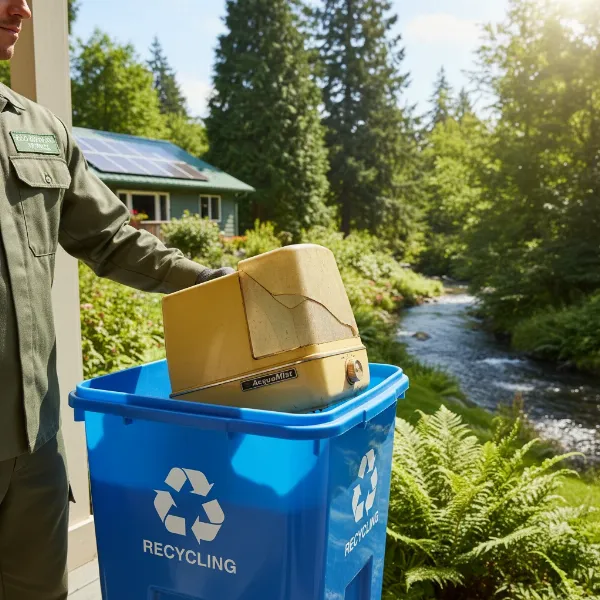 An old humidifier being responsibly collected for recycling, highlighting environmental protection
Preparing Your Humidifier for Recycling
Before you send your old humidifier off for recycling or disposal, a few preparatory steps ensure safety and efficiency. First, always unplug the unit from its power source. Next, thoroughly drain any remaining water from the tank and reservoir. This prevents potential water damage or mold growth during storage or transport. Clean the water tank and the exterior of the unit to remove any mineral buildup or residue. Detachable components like water tanks, hoses, or even internal filters should be removed.
It’s wise to check your humidifier’s user manual or product label to see if it contains any specific warnings about hazardous materials, particularly refrigerants. While most modern humidifiers, especially ultrasonic or evaporative types, typically don’t use refrigerants, older or more complex models might. If your unit does contain a refrigerant, it must be handled by certified professionals to prevent harmful releases. For transportation, try to keep the humidifier upright to prevent any internal components from shifting or sustaining damage. These simple preparation steps make the recycling process safer and more effective.
Options for Recycling Your Old Humidifier
Navigating the various options for humidifier disposal can seem daunting, but several avenues exist for responsible recycling:
Local E-waste Recycling Centers
|
Our Picks for the Best Humidifier in 2026
As an Amazon Associate I earn from qualifying purchases.
|
||
| Num | Product | Action |
|---|---|---|
| 1 | COO Humidifiers for Bedroom, 2L Tank for Large Room, 30 Hour Runtime, 28dB Quiet Cool Mist Humidifier for Home, Baby Nursery, Plants, Indoor, Office, Easy to Fill & Clean,Night Light and Auto Shut-off |

|
| 2 | LEVOIT Humidifiers for Bedroom Large Room Home, (6L) Cool Mist Top Fill Essential Oil Diffuser for Baby & Plants, Smart App & Voice Control, Rapid Humidification & Auto Mode - Quiet Sleep Mode, Gray |
|
| 3 | MegaWise Topfill 7-colour Night light humidifier for Kid bedroom with 3.5L Large Capacity, No leakage Design Fine Mist Output Auto Shutoff, Essential Oil Safe Tank |
|
| 4 | Dreo Smart Humidifiers for Bedroom, Top Fill 4L Supersized Humidifier Large Room with 28 dB, 36H Runtime, Touch/APP/Voice Control, Nightlight, Cool Mist Humidifiers for Baby, Plants, Indoor, Black |
|
| 5 | LEVOIT Top Fill Humidifiers for Bedroom, 2.5L Tank for Large Room, Easy to Fill & Clean, 28dB Quiet Cool Mist Air Humidifier for Home Baby Nursery & Plants, Auto Shut-off for Safety, 25H |
|
| 6 | Dreo Humidifiers for Bedroom, 4L Top Fill for Large Room, 36H Runtime, 28 dB Quiet Supersized Cool Mist Air Humidifier for Baby Nursery, Plants, Indoor, Night Light, Easy to Clean & Fill, White |
|
| 7 | DREO Humidifiers for Bedroom, 3L Top Fill 30H & 26dB Quiet Runtime for Large Room, Cool Mist Ultrasonic Humidifier with Humidity Sensor, Night Light for Home, Baby, Nursery, Plants, New Edition |
|
| 8 | DREO 6L Top Fill Humidifiers for Bedroom, 60H Runtime 28 dB Quiet Supersized Cool Mist Air Humidifiers for Large Room, Baby Nursery, Plant, Indoor, Night Light, Easy to Clean, Precise Humidity Control |
|
| 9 | Homvana Humidifiers for Bedroom Home, 3.6 L Cool Mist Top-Fill 34H Super Long Time, Quiet 23dB, Baby Humidifier, Oil Diffuser for Large Room, House, Plant, Nursery, Office, BPA FREE, Ultrasonic (Grey) |
|
| 10 | LEVOIT - Humidifiers for Bedroom - Quiet (3L Water Tank) - Cool Mist/Top Fill/Essential Oil Diffuser/25Watt - Home/Large Room - 360° Nozzle - Rapid Ultrasonic Humidification for Baby Nursery/Plant |
|
Many cities and counties operate dedicated e-waste recycling centers or collection events where you can drop off electronic appliances. These facilities are equipped to dismantle devices safely, separate materials, and ensure proper handling of any hazardous components. To find a center near you, check your local government’s waste management website or use online search tools for “e-waste recycling near me.” Be aware that some centers might charge a small fee for processing, especially for larger appliances.
Retailer Take-Back Programs
When you purchase a new humidifier, inquire with the retailer about take-back or recycling programs. Many large electronics and appliance retailers offer to recycle your old unit, sometimes even providing a haul-away service when delivering a new one. This can be a very convenient option, ensuring your old appliance is handled responsibly by the same company providing your new one.
Junk Removal Services
For a hassle-free solution, consider hiring a full-service junk removal company. Services like 1-800-GOT-JUNK? specialize in picking up unwanted items, including appliances, and ensuring they are recycled or disposed of properly. This is particularly useful if you have multiple bulky items to get rid of, as they handle all the heavy lifting and logistical challenges.
Scrap Yards
If your humidifier has been dismantled and its metal components separated, local scrap yards may accept these materials for reclamation. This is a more involved option, requiring you to break down the appliance yourself, but it ensures that valuable metals like copper and steel are recycled.
Donation or Resale
If your humidifier is still in good, working condition, consider extending its life by donating it to a local charity, thrift store, or community organization. Alternatively, you could sell it online through marketplaces. This not only prevents waste but also provides an affordable option for someone in need.
Curbside Bulky Waste Collection
Some municipalities offer special curbside collection services for bulky waste or electronic items. This varies significantly by location, so it’s essential to check your local waste management guidelines. Often, you’ll need to schedule a pickup in advance and adhere to specific preparation instructions.
The Specific Challenge of Humidifier Filter Recycling
While the humidifier unit itself has several recycling pathways, its filters present a unique challenge. Humidifier filters, whether evaporative wicks or demineralization cartridges, are designed to trap impurities, minerals, and sometimes even microorganisms from the water. This means that a used filter is not just a piece of plastic or paper; it’s a component laden with accumulated contaminants.
Filters are typically made from a mix of materials, including synthetic fibers (like polyester or fiberglass), paper, activated carbon, and sometimes a plastic or cardboard frame. This combination of materials, coupled with the trapped debris, makes them difficult to recycle through conventional curbside programs. Most recycling facilities are not equipped to separate these mixed materials or safely handle the embedded pollutants. Throwing them directly into standard recycling bins can contaminate other recyclable materials, leading to the entire batch being sent to a landfill.
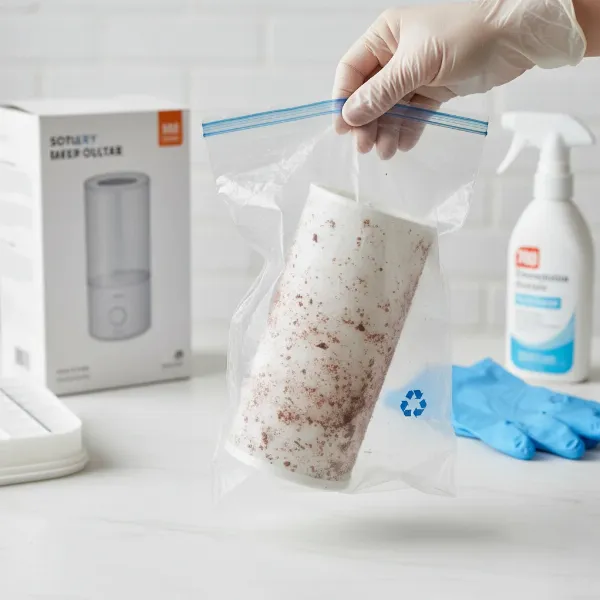 A person properly disposing of a used humidifier filter in a sealed bag, emphasizing cleanliness and responsible waste management.
How to Dispose of Humidifier Filters Responsibly
Given the complexities, proper disposal of humidifier filters requires a more tailored approach:
Bagging Used Filters
Regardless of the ultimate disposal method, always place used humidifier filters in a sealed plastic bag. This crucial step contains the trapped dust, minerals, and potential mold, preventing them from re-entering your indoor air or contaminating other waste items. Using gloves during this process is also a good hygienic practice.
Household Waste
For most residential users and common filter types (such as evaporative wicks or demineralization filters), the most practical and often recommended method is to securely bag the used filter and dispose of it with your regular household trash. While not ideal for recycling, this prevents contamination of other recyclables and ensures the pollutants remain contained.
Specialized Recycling Programs
While rare for general household waste, some specialized programs or companies may offer filter recycling. These can include:
- Mail-in Recycling Services: A few companies provide prepaid mail-in programs specifically for hard-to-recycle items, including certain types of air and water filters. You send your used filters to them, and they handle the specialized processing.
- Local Filter Recycling Centers: Occasionally, specific e-waste or specialized recycling centers might accept certain types of filters. This is less common but worth investigating with your local waste management authority.
Manufacturer or Supplier Programs
If you purchase filters directly from a specific manufacturer or supplier, contact their customer service. Some companies are increasingly offering take-back programs or guidance on how to recycle their specific filter products, demonstrating extended producer responsibility.
Consider Reusable Filters
A sustainable alternative to disposable filters is to switch to reusable or washable humidifier filters. These are typically made with durable materials like aluminum frames and specialized mesh that can be cleaned and reused for an extended period, significantly reducing waste. While they may have a higher upfront cost, their longevity often makes them cost-effective in the long run and greatly minimizes your environmental footprint.
Top Tips for Eco-Friendly Humidifier Use
Beyond just disposal, adopting eco-friendly practices throughout your humidifier’s lifespan can further reduce its environmental impact:
- Regular Maintenance: Proper and consistent cleaning, as outlined in your humidifier’s manual, can significantly extend its operational life. A well-maintained humidifier works more efficiently and lasts longer, delaying the need for disposal.
- Opt for Reusable Filters: As mentioned, choosing a humidifier model that uses washable or reusable filters is a powerful way to reduce recurring waste. These filters can be cleaned and reinserted, saving resources and money.
- Invest in Quality: When purchasing a new humidifier, prioritize models known for their durability and repairability. A higher-quality unit might cost more initially but is less likely to break down prematurely, further minimizing e-waste.
- Energy Efficiency: Look for ENERGY STAR certified humidifiers, which are designed to consume less power. This reduces your carbon footprint during the appliance’s active life.
Conclusion
The responsible disposal of old humidifiers and their filters is an essential aspect of sustainable living. By understanding that these appliances are more than just household trash, we can take proactive steps to mitigate environmental harm. Whether it’s taking your old humidifier to an e-waste center, utilizing a retailer take-back program, or ensuring your used filters are properly bagged for disposal, every action contributes to a healthier planet. Preparing your unit correctly, exploring all available recycling avenues, and embracing reusable filter options are key to a more sustainable approach. Let’s make conscious choices, ensuring that the devices we use to improve our indoor air quality don’t ultimately diminish the quality of our shared environment.
What steps will you take today to responsibly recycle your old humidifier and filters?
Frequently Asked Questions
Can I put my humidifier in regular trash?
No, it is generally not recommended to put your humidifier in regular household trash. Humidifiers are considered e-waste due to their electronic components, plastics, and metals. Improper disposal can release harmful substances into the environment and may violate local waste disposal regulations.
Are humidifier filters recyclable with regular paper/plastic?
Typically, no. Humidifier filters are complex due to their mixed materials (fibers, carbon, frames) and the contaminants they collect. Most standard recycling facilities cannot process these and they can contaminate other recyclable materials. It’s best to bag them securely and dispose of them with household trash unless a specialized recycling program is available.
What if my humidifier contains Freon or other refrigerants?
While uncommon for most residential humidifiers, if your unit (especially older or larger models with compressors) contains refrigerants like Freon, it is critical that you do NOT attempt to remove them yourself. Refrigerants are hazardous and must be handled by licensed professionals at specialized recycling centers to ensure safe extraction and disposal, preventing environmental damage.
How often should I change humidifier filters?
The frequency of changing humidifier filters depends on usage, water quality, and the manufacturer’s recommendations, but generally, filters should be replaced every 1 to 3 months. Regular replacement ensures optimal performance, prevents mold growth, and maintains healthy air quality. Check your specific model’s manual for precise guidance.