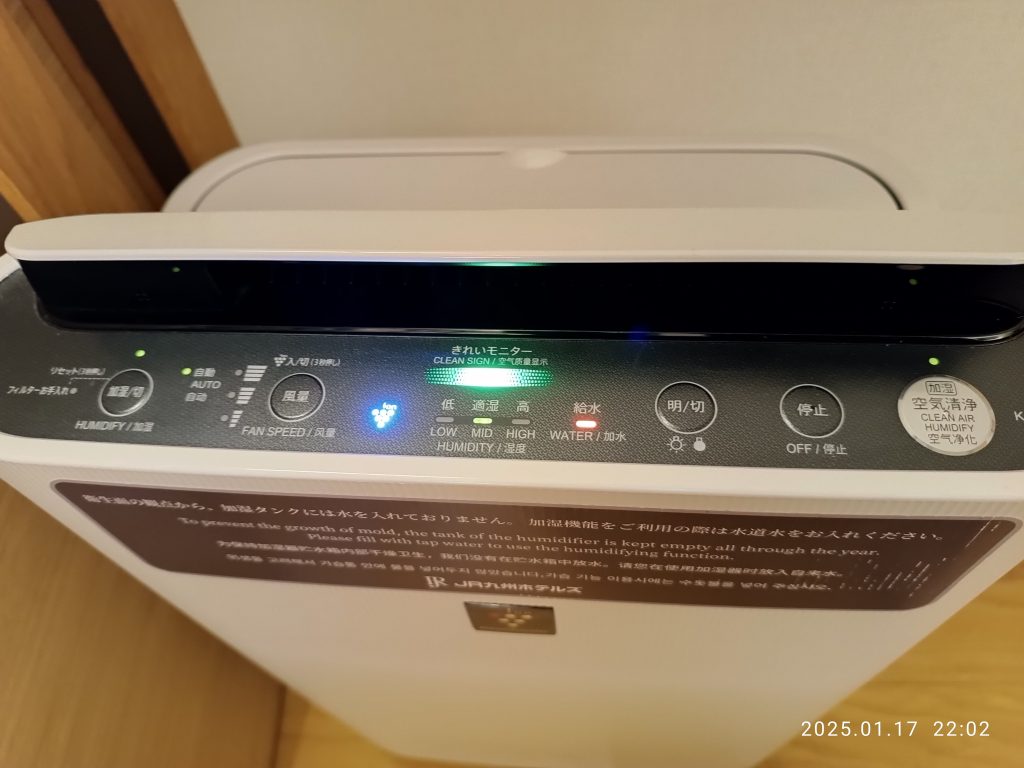
Quick Verdict: A humidifier and a diffuser are fundamentally different devices that serve different purposes — and using the wrong one for a task leads to frustration and potentially damage to either the appliance or your health. Humidifiers are designed to raise the moisture level of room air substantially, running for hours at high water output to maintain target humidity. Diffusers are designed to disperse essential oil molecules into the air for aromatherapy — they use small volumes of water, run for shorter periods, and produce far less moisture than a humidifier. Understanding the difference tells you which device you actually need — and whether you might benefit from both.
Humidifier vs Diffuser: At a Glance
| Factor | Humidifier | Diffuser |
|---|---|---|
| Primary Purpose | Raise room humidity — treat dry air | Disperse essential oil fragrance — aromatherapy |
| Water Capacity | 1–6+ liters (hours to days of runtime) | 100–500 mL (1–6 hours of runtime) |
| Moisture Output | High — measurably raises room humidity | Very low — negligible humidity increase |
| Essential Oils | Only in units with a dedicated oil tray | Core function — designed for essential oil use |
| Coverage | 250–1,000+ sq ft | Typically 100–300 sq ft for fragrance diffusion |
| Runtime | 12–60+ hours per fill | 1–8 hours per fill |
| Price Range | $25–$150+ for residential models | $15–$80 for ultrasonic diffusers |
| Useful In Dry Climates | Yes — primary use case | No — adds no meaningful humidity |
| Useful For Aromatherapy | Only models with oil tray (limited) | Yes — primary use case |
How We Evaluated These Devices
This comparison draws on published product specifications from leading manufacturers, EPA indoor air quality guidelines on residential humidity, independent editorial analysis, and widely documented best practices for essential oil diffuser use. No placement fees were received.
What a Humidifier Actually Does
A humidifier’s job is to increase the relative humidity of room air — typically from a dry 15–30% up to a healthier 30–50%. In dry climates, centrally heated homes during winter, or air-conditioned rooms in summer, the air can drop to levels that cause dry skin, cracked lips, nosebleeds, aggravated respiratory conditions, and static electricity. A humidifier combats all of these by adding substantial water vapor to the air over an extended period. To achieve a measurable humidity increase in a 300–500 sq ft room, a unit needs to release hundreds of milliliters of water per hour over many hours. This is why humidifier tanks are measured in liters — the Levoit Classic 300S holds 6 liters, the Vornado Evap40 holds 4 gallons.
A diffuser simply cannot do this job. A typical 200 mL ultrasonic diffuser running at its small output rate adds negligible humidity to even a medium-sized room — the moisture evaporates and disperses before having any measurable impact on humidity readings.
What a Diffuser Actually Does
An essential oil diffuser uses the same ultrasonic transducer technology as an ultrasonic humidifier, but scaled down dramatically. A small amount of water — typically 100–300 mL — with a few drops of essential oil is vibrated into a fine mist that carries aromatic molecules into the air. The primary functional purpose is scent diffusion: filling a room with the fragrance of essential oils (lavender, eucalyptus, peppermint, and so on) for relaxation, sleep support, or respiratory comfort. The water vapor produced is incidental to this purpose — a diffuser running for an hour in a dry room will not raise its relative humidity by a measurable amount in most real-world conditions.
Diffusers are purpose-built for oil contact. Their tanks and seals are made from materials compatible with essential oils. Using essential oils in a standard humidifier tank — one not specifically designed for it — can degrade seals, corrode the ultrasonic transducer, and void the warranty. This is a frequently asked question and a frequently made mistake.
Can I Use a Humidifier as a Diffuser?
Only if it has a dedicated aromatherapy tray that keeps essential oils separate from the main water tank. Some humidifiers — including the Levoit Classic 300S and LV600S — include an external essential oil tray. The fan or mist output passes near the tray and picks up oil molecules for dispersal without the oil contacting internal components. This is a legitimate aromatherapy function, but the diffusion intensity is lower than a purpose-built diffuser because the humidifier’s primary function is water output, not fragrance concentration.
Do not add essential oils directly to a humidifier’s water tank unless the manufacturer explicitly states this is safe for that specific model. The risk is internal component damage and voided warranty.
Can I Use a Diffuser as a Humidifier?
No. A diffuser cannot raise room humidity to a useful level. If you are dealing with dry air, cracked skin, nosebleeds, or static electricity, you need a humidifier. A diffuser running in a dry room will feel pleasant aromatically but will not solve the underlying humidity problem. Many people discover this after purchasing a diffuser for a dry bedroom and noticing no improvement in their symptoms.
When You Need Both
Many households benefit from owning both. A humidifier addresses the practical need for adequate room humidity — the health and comfort baseline. A diffuser provides aromatherapy and scent — a lifestyle preference rather than a structural air quality requirement. They serve parallel, non-overlapping functions, and running a diffuser alongside a humidifier in the same room is entirely reasonable. The humidifier handles humidity; the diffuser handles scent.
Choosing the Right Humidifier
For bedroom humidification, the Levoit Classic 300S is a leading choice — it covers 505 sq ft, runs quietly at ≤30 dB, includes an aromatherapy tray, and operates automatically via a built-in humidity sensor. For larger rooms, the Levoit LV600S covers 753 sq ft with warm and cool mist options. For the best evaporative option without white dust, see the Vornado Evap40 or Honeywell HCM-350. For a full comparison by use case and budget, visit our best humidifiers guide.
Frequently Asked Questions
Will a diffuser help with dry air in my bedroom?
No — not meaningfully. A diffuser’s water output is far too low to raise the humidity of even a small bedroom. If you are experiencing dry skin, nasal irritation, or static electricity from low indoor humidity, you need a humidifier with a 1–6 liter tank and sustained output designed to treat an entire room.
Can essential oils damage a humidifier?
Yes, if added directly to the water tank of a humidifier not designed for oils. Essential oils are chemically aggressive compounds that can degrade plastic seals, crack reservoirs, and damage the ultrasonic transducer over time. Only add oils to humidifiers with a dedicated, separate aroma tray — never to the main water chamber unless the manual explicitly states it is safe.
What is the difference between an ultrasonic humidifier and an ultrasonic diffuser?
Both use piezoelectric transducers to create a fine mist — the technology is the same. The differences are scale and design intent. Ultrasonic humidifiers have large tanks (1–6+ liters), high mist output (200–500 mL/hr), and run for hours or days to treat room humidity. Ultrasonic diffusers have small tanks (100–500 mL), very low output, and are made to contact essential oils without corrosion. A diffuser is essentially a miniaturized, oil-compatible ultrasonic humidifier.
Is a humidifier or diffuser better for congestion?
A humidifier is better for chronic or persistent nasal and sinus dryness because it actually raises the moisture level of the air you breathe. A diffuser with eucalyptus or peppermint oil can provide temporary aromatic relief and a sensation of easier breathing, but does not address the underlying low-humidity environment. For congestion caused by dry winter air, a humidifier is the functional solution; a diffuser with appropriate oils can be a useful complement.
Do diffusers work as humidifiers in winter?
No. In winter, indoor air can drop to 15–25% relative humidity in centrally heated homes. A diffuser’s water output is measured in milliliters per hour — it cannot meaningfully raise the humidity of an average room. You need a humidifier that outputs several hundred milliliters per hour continuously to move the needle from 20% to 40% relative humidity in a typical bedroom.
Using Both Together: The Optimal Setup
The most common and well-regarded household setup among users who want both humidity control and aromatherapy is running a dedicated humidifier alongside a dedicated diffuser rather than trying to make one device do both jobs. A quality humidifier like the Levoit Classic 300S runs in auto mode to maintain 40–50% relative humidity in the bedroom. A compact ultrasonic diffuser with 100–200 mL capacity runs for 1–3 hours in the evening with lavender or eucalyptus oil for relaxation or respiratory support. Both devices do their specific jobs better than any hybrid approach. The combined cost is typically $60–$100 for the pair — reasonable for two purpose-built appliances.
If you want to minimize the number of devices, the Levoit Classic 300S and LV600S both include an external aromatherapy tray. This tray holds a few drops of essential oil in a small dish separate from the water tank; the mist output passes near the tray and picks up fragrance molecules. This provides a lighter aromatherapy effect than a purpose-built diffuser — appropriate for subtle background scent — while the humidifier continues its primary function of raising room humidity. It is a genuine hybrid option, though with lower fragrance intensity than a dedicated diffuser.
What to Look for in Each Device
If you are buying a humidifier, the key factors to evaluate are: tank capacity (1 gallon = daily refills; 6 liters = 2–3 day refills), coverage area relative to your room size, mist type (cool vs warm or both), noise level (particularly for bedroom use), and whether you want app and auto-humidity features. See our full best humidifiers guide for specific recommendations at every price point.
If you are buying an essential oil diffuser, the key factors are: coverage area for fragrance diffusion (typically 100–300 sq ft for ultrasonic diffusers), water tank capacity for runtime (100 mL gives 3–4 hours; 300–500 mL gives 8–10 hours), timer and auto-shutoff features, material compatibility with essential oils (avoid cheap plastic that degrades with citrus oils), and noise level. Ultrasonic diffusers are the dominant type for home use and produce both fragrance diffusion and a light visible mist that many users find aesthetically pleasant.
Health Considerations Around Essential Oils in the Air
Essential oils diffused into the air are generally safe for adults at normal diffuser concentrations in well-ventilated spaces. However, some oils — particularly tea tree, eucalyptus, and peppermint — can be problematic for pets: cats lack a liver enzyme needed to metabolize certain oil compounds, and concentrated exposure can cause respiratory issues or toxicity. Birds are particularly sensitive to airborne compounds of any kind, including diffused oils. For households with cats, birds, or other pets, consult veterinary guidance before regular oil diffusion. Infants and very young children should not be exposed to strong essential oil diffusion without pediatric guidance, particularly with strong respiratory oils.
Humidifier mist from a clean unit using clean water raises no comparable health concerns at appropriate room humidity levels (30–50% RH). The health argument for running a humidifier is well-established; the health argument for running a diffuser is more nuanced and depends on specific oils, concentrations, and household composition.
Common Misconceptions Addressed
- “My diffuser keeps the air moist.” Only at levels unmeasurable by a hygrometer in a normally ventilated room. For measurable humidity benefit, you need a humidifier.
- “I can use oils in my humidifier tank.” Only if the manufacturer specifically supports it and your model has a compatible design. Most humidifiers will be damaged by oils in the water tank.
- “A diffuser is just a small humidifier.” Technically the mechanisms overlap (many use the same ultrasonic transducer technology), but the functional purpose, water capacity, output rate, material construction, and recommended use are all different. Treating them as interchangeable leads to wrong expectations from both devices.
- “Running a diffuser and humidifier together is redundant.” Not at all — they are complementary. The humidifier handles the air quality baseline; the diffuser adds aromatherapy. They do not interfere with each other.
Signs You Need a Humidifier (Not a Diffuser)
If you are experiencing any of the following, a humidifier is what your home needs — not a diffuser:
- Dry or cracked skin, especially in winter or in air-conditioned spaces
- Frequent nosebleeds or persistently dry nasal passages
- Static electricity shocks from touching metal or fabric surfaces
- Waking up with a dry throat or irritated airways in the morning
- Cracking or warping in hardwood floors or wooden furniture
- A hygrometer reading below 30% relative humidity in your living space
A diffuser addresses none of these — they are all symptoms of genuinely low indoor humidity that only a proper humidifier can resolve. Start with the best humidifiers guide to find the right unit for your room size and preferences.
Signs Your Diffuser Is the Right Tool
A diffuser is the right choice when your goal is specifically aromatherapy or ambient scent — not air quality or humidity. If you have already solved your indoor humidity problem with a proper humidifier and now want to add lavender to help with sleep, eucalyptus for a congestion session, or peppermint for focus during work-from-home hours, a dedicated diffuser delivers that experience better than any humidifier with an oil tray. Diffusers are also appropriate as standalone devices in rooms that do not have a humidity problem — a properly humidified apartment in a mild climate, for instance, may not need a humidifier at all but might benefit from aromatherapy. In that case, a diffuser is the right and only device needed.