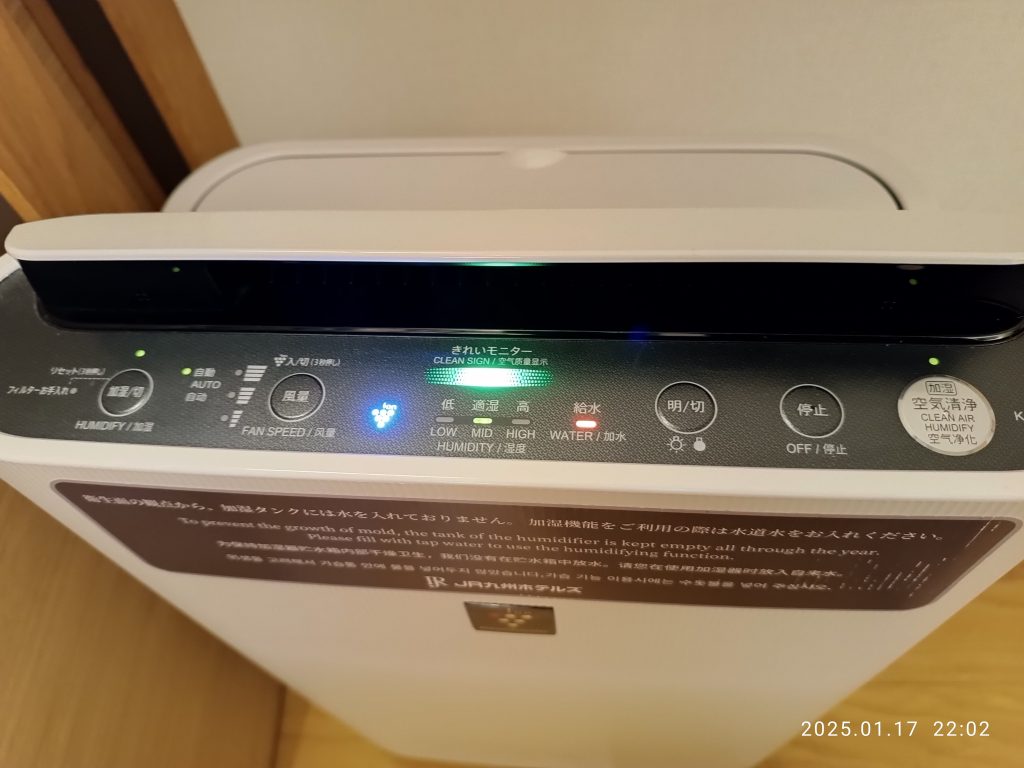
Quick Verdict: Humidifier vs vaporizer is a comparison that confuses buyers more than almost any other in this product category — partly because the terminology is inconsistent across retailers, and partly because there is genuine overlap between them. The practical summary: a vaporizer is a type of warm-mist humidifier that boils water to produce steam. All vaporizers are humidifiers in the functional sense, but not all humidifiers are vaporizers. The choice between them comes down to whether you want warm or cool moisture output, how important safety around children is, and whether medicated inhalant support is a priority.
Humidifier vs Vaporizer: At a Glance
| Factor | Humidifier (Cool Mist) | Vaporizer (Warm Steam) |
|---|---|---|
| Mist Type | Cool mist — room temperature or below | Warm steam — heated to near-boiling |
| Technology | Ultrasonic transducer or evaporative wick | Heating element boils water |
| Energy Use | Low (15–45W) | High (200–400W) — continuous heating |
| Safety Around Children | Safe — no hot components in the mist path | Burn/scalding risk if tipped or touched |
| Microbial Risk in Water | Higher — bacteria can survive in cool tanks | Lower — boiling kills most bacteria and mold |
| White Dust | Yes (ultrasonic) / No (evaporative) | Rare — mineral deposits stay in boiling chamber |
| Medicated Inhalants | Not typically supported | Many include a medicine cup (VapoSteam compatible) |
| Noise Level | Near-silent (ultrasonic) to fan hum (evaporative) | Quiet — soft bubbling at most |
| Congestion Relief | Indirect — adds moisture to ease dryness | More direct — warm vapor soothes nasal passages |
| Price Range | $25–$150+ | $15–$50 for basic models |
How We Evaluated These Devices
This comparison draws on published manufacturer specifications, EPA guidelines on indoor humidity and air quality, American Academy of Pediatrics safety guidance for humidifiers in children’s rooms, and independent editorial analysis. No placement fees were received.
Understanding the Terminology
The word “vaporizer” is often used interchangeably with “humidifier” in everyday conversation and in some retail listings, which creates confusion. In the technical and most widely accepted product sense, a vaporizer boils water to create steam — it is a warm-mist device. A humidifier is the broader category umbrella that includes cool-mist ultrasonic units, evaporative units, and warm-mist steam vaporizers. When someone says “I use a vaporizer for colds,” they almost always mean a warm-steam unit with a medicine cup. When a parent says “I need a humidifier for the nursery,” they almost always want a cool-mist unit.
For this comparison, “humidifier” refers to cool-mist technology (ultrasonic or evaporative) and “vaporizer” refers to warm-steam boiling units.
How a Vaporizer Works
A steam vaporizer heats water in a sealed chamber using an electrical heating element until it boils. The resulting steam rises through a nozzle and is released into the room, cooling slightly before it disperses. The boiling process serves a secondary hygiene function — it kills the vast majority of bacteria, mold, and virus present in the water, meaning the steam released is cleaner from a microbial standpoint than cool mist from an unclean ultrasonic unit. Many vaporizers include a dedicated medicine cup at the steam outlet where liquid inhalants (such as Vicks VapoSteam or generic menthol formulas) can be added; the steam carries the medicated molecules into the room air.
Cool-Mist Humidifiers: The Safety and Efficiency Case
Cool-mist humidifiers — both ultrasonic and evaporative — have no heating element and produce no hot surfaces in the normal mist output path. This is the primary safety argument for nurseries and children’s rooms, as confirmed by the American Academy of Pediatrics: a tipped or knocked-over cool-mist unit may spill water but cannot cause a burn. The energy efficiency advantage is also significant — running a 30W ultrasonic humidifier versus a 300W vaporizer for 10 hours per night over a winter season represents a meaningful electricity cost difference.
Vaporizers: The Hygiene and Congestion Case
Warm-steam vaporizers boil the water before release, which functions as an automatic sterilization step. The steam that enters the room has passed through a boiling phase, eliminating active bacteria and mold concerns in the water itself. For adults dealing with cold and flu symptoms, warm steam provides a more direct and immediate sensation of respiratory relief than cool mist — the warmth of the vapor soothes irritated membranes in a way that room-temperature mist does not. The medicine cup integration in many vaporizers adds a targeted decongestant capability that most cool-mist humidifiers do not offer.
Which Is Better for a Cold or Flu?
For temporary use during a cold or flu, adults often prefer vaporizers due to the warm vapor’s immediate comfort and the option to add medicated inhalants. For ongoing use in a bedroom or nursery to maintain healthy humidity year-round, a cool-mist humidifier is the more practical and safer long-term choice. Many households own both: a quality cool-mist humidifier for year-round bedroom use and a basic vaporizer kept in a closet for use during sick seasons when warm steam and a medicine cup are specifically wanted.
Energy Costs Over Time
This is one of the most practically important distinctions. A modern ultrasonic humidifier like the Levoit Classic 300S draws approximately 30 watts. A typical steam vaporizer draws 200–350 watts. Running either unit 8 hours per night at average US electricity rates (approximately $0.15/kWh), the annual cost difference is roughly $26 for the humidifier versus $175 for the vaporizer — a gap of around $150 per year. For households using a vaporizer continuously throughout a dry winter season, the energy difference is real money.
Making the Right Choice
Choose a cool-mist humidifier if: you have children in the home; you want year-round humidification for dry air; energy costs matter; you want smart features and auto-humidity control; or you want a set-and-forget unit for an entire season.
Choose a vaporizer if: you are an adult seeking congestion or cold relief and want warm vapor; you want to use medicated inhalants with steam; you do not need to run it in a child’s room; or the quiet boiling operation is preferable to a fan or ultrasonic hum.
For our full breakdown of the best humidifiers at every use case and budget, visit the best humidifiers guide.
Frequently Asked Questions
Is a vaporizer the same as a humidifier?
Not exactly. All vaporizers humidify the air (they add moisture), so in a functional sense they are a type of humidifier. But “humidifier” in common usage refers to cool-mist units (ultrasonic or evaporative), while “vaporizer” refers specifically to warm-steam boiling units. Retailers use the terms inconsistently, so always check whether the unit heats water to steam or produces cool mist.
Is a vaporizer or humidifier better for croup?
Cool mist is generally recommended over warm steam for croup by most pediatric sources, because warm steam in an enclosed space can potentially increase airway irritation and poses a burn risk. The primary recommendation for croup is humidified cool air. Always consult a pediatrician for specific medical guidance.
Can I use a vaporizer every night?
Yes, with the usual caveats: keep the unit clean to prevent mineral buildup, position it away from flammable materials, and ensure the room does not exceed 50% relative humidity. The main practical concern with nightly vaporizer use is energy consumption (200–350W per night) and the need to keep the boiling chamber descaled to maintain output efficiency.
Why do pediatricians recommend cool mist over vaporizers?
The American Academy of Pediatrics recommends cool-mist humidifiers for children’s rooms primarily because of the scalding risk from a tipped warm-steam vaporizer. A young child who knocks over a vaporizer can be exposed to near-boiling water. Cool-mist units pose no thermal risk. Both types are equally effective at adding humidity to a room; the cool-mist recommendation is purely a safety consideration.
Does a vaporizer work for sinus congestion?
Warm steam from a vaporizer can provide temporary relief from sinus congestion by moistening and warming the nasal passages, which reduces swelling and improves drainage. Adding a menthol or eucalyptus inhalant to the medicine cup enhances this effect. For chronic dry-air-related congestion rather than acute illness, a cool-mist humidifier maintaining 40–50% room humidity is the better long-term solution.
Do vaporizers kill bacteria in the water?
Yes. Boiling water at 212°F (100°C) kills virtually all bacteria, mold, and viruses. The steam released by a vaporizer has passed through this temperature, so microbial contamination from the water supply is not a concern. However, the boiling chamber itself still accumulates mineral scale over time and needs periodic descaling to maintain performance.
Medicated Inhalants: A Vaporizer Exclusive
One of the most cited functional advantages of warm-mist vaporizers over cool-mist humidifiers is support for medicated liquid inhalants. Many vaporizer models include a small medicine cup near the steam outlet — designed to hold Vicks VapoSteam, Kaz Inhalant, or generic menthol and eucalyptus liquid formulas. The steam carries inhalant molecules into the room air, providing a concentrated decongestant effect in the immediate area of the unit. This is the closest household approximation to a steam inhalation therapy session, which ENTs and respiratory therapists have recommended for sinus congestion and upper respiratory symptoms for generations. Cool-mist humidifiers simply do not support this function without modification — and adding VapoSteam-type liquids to a cool-mist tank damages internal components and voids warranties.
If medicated inhalant support is specifically what you want — especially during cold and flu season — a basic warm-mist vaporizer with a medicine cup is a focused, inexpensive solution. Models from Vicks (formerly Kaz) are the most widely available and reviewed for this purpose, typically priced at $15–$30.
Placement and Safety Practices
For cool-mist humidifiers, standard placement guidance is: keep the unit at least 3 feet from walls and furniture to prevent excessive moisture accumulation on surfaces near the unit; place at table height rather than floor level for more even room distribution; keep it away from electronics that cannot tolerate moisture exposure. Maintenance-wise, empty and rinse the tank daily, clean with white vinegar weekly, and replace water daily rather than topping up a partially empty tank.
For vaporizers, the key placement rule is the one most critical to safety: keep the unit in a location where it cannot be reached or knocked over by children or pets, and away from flammable materials. The hot water and steam output of a tipped vaporizer is a burn hazard. Placing a vaporizer on a high shelf or a secure surface away from high-traffic paths reduces this risk. Keep the steam nozzle directed away from walls and furniture — steam contact causes moisture damage and potential mold growth over time.
Mineral Scale and Descaling
Both cool-mist and warm-mist units accumulate mineral scale from tap water, but the location and character of the scale differs. In ultrasonic humidifiers, scale builds on the transducer plate and reduces mist output over time. In vaporizers, scale accumulates in the boiling chamber as minerals concentrate during evaporation — eventually forming a hard crust that insulates the heating element and reduces efficiency. Both types benefit from distilled water to minimize scale. For vaporizers using tap water, descaling the boiling chamber every 1–2 weeks with white vinegar is standard maintenance. A scaled-up vaporizer draws more power, heats more slowly, and eventually fails the heating element prematurely — regular descaling directly extends service life.
The Case for Owning Both
Many practical households keep a quality cool-mist humidifier running year-round in the primary bedroom and keep a basic vaporizer in a closet for sick-season use. The cost of a functional warm-mist vaporizer starts at around $15–$20 for a basic Vicks or Kaz model — low enough that pairing it with a premium cool-mist humidifier for the bedroom is a reasonable strategy rather than a forced either-or choice. This approach gets the best of both: silent, energy-efficient cool-mist humidity year-round from the humidifier, and targeted warm-steam therapy with medicated inhalants when illness strikes from the vaporizer.
Making Your Decision
The decision framework is straightforward once you frame it correctly. Ask yourself:
- Is this for a child’s room? If yes — cool-mist humidifier, no debate.
- Is this for year-round bedroom humidity? If yes — cool-mist humidifier, ideally with auto mode.
- Is this specifically for congestion relief, medicated steam, or sick-season comfort for an adult? If yes — warm-mist vaporizer, ideally with a medicine cup.
- Do you want both? Buy a quality cool-mist humidifier for permanent bedroom use and a basic vaporizer to keep on hand for illness.
For full model recommendations in the cool-mist humidifier category, visit our best humidifiers guide. Our reviews of the Levoit Classic 300S, Levoit LV600S, Honeywell HCM-350, Vornado Evap40, and Crane Drop EE-5301 cover the leading options at every budget and use case.
Annual Cost Comparison
A quick practical cost summary for households running either device 8 hours per night, 5 nights per week, over a 5-month season (approximately 160 hours total annual use):
- Cool-mist ultrasonic humidifier (30W, e.g. Levoit Classic 300S): ~$0.72 in electricity per season. Distilled water if needed: ~$50–$70/year for a 6-liter unit at 2 fills per week during the season. Total annual operating cost: $50–$75 (mostly water).
- Warm-mist vaporizer (300W): ~$7.20 in electricity per season on a 5-night/week schedule — significantly higher. Plus descaling maintenance supplies. Vaporizers use tap water, so water cost is minimal. Total annual operating cost: $10–$20 (mostly electricity).
Counterintuitively, the cool-mist humidifier with distilled water often costs more to operate annually than a warm-mist vaporizer with tap water, even accounting for the vaporizer’s higher wattage. This calculation tips in the humidifier’s favor for households with soft tap water, where distilled water is optional. It underscores that the choice between the two should not be driven primarily by cost — choose based on the functional and safety requirements that matter to your specific situation.