Ever wake up with that scratchy throat, dry nose, or skin that feels a size too small? You’ve done the right thing and invested in a humidifier, a true game-changer for home comfort. But now you’re staring at it, wondering, Should A Humidifier Be On The Floor Or A Table? It might seem like a small detail, but trust me, where you place your humidifier can make the difference between a perfectly comfortable room and a damp patch on your carpet.
Let’s clear the air on this common question. Proper placement is key to getting the most out of your device, ensuring it runs efficiently, and protecting your home. So, let’s dive in and find the sweet spot for your humidifier.
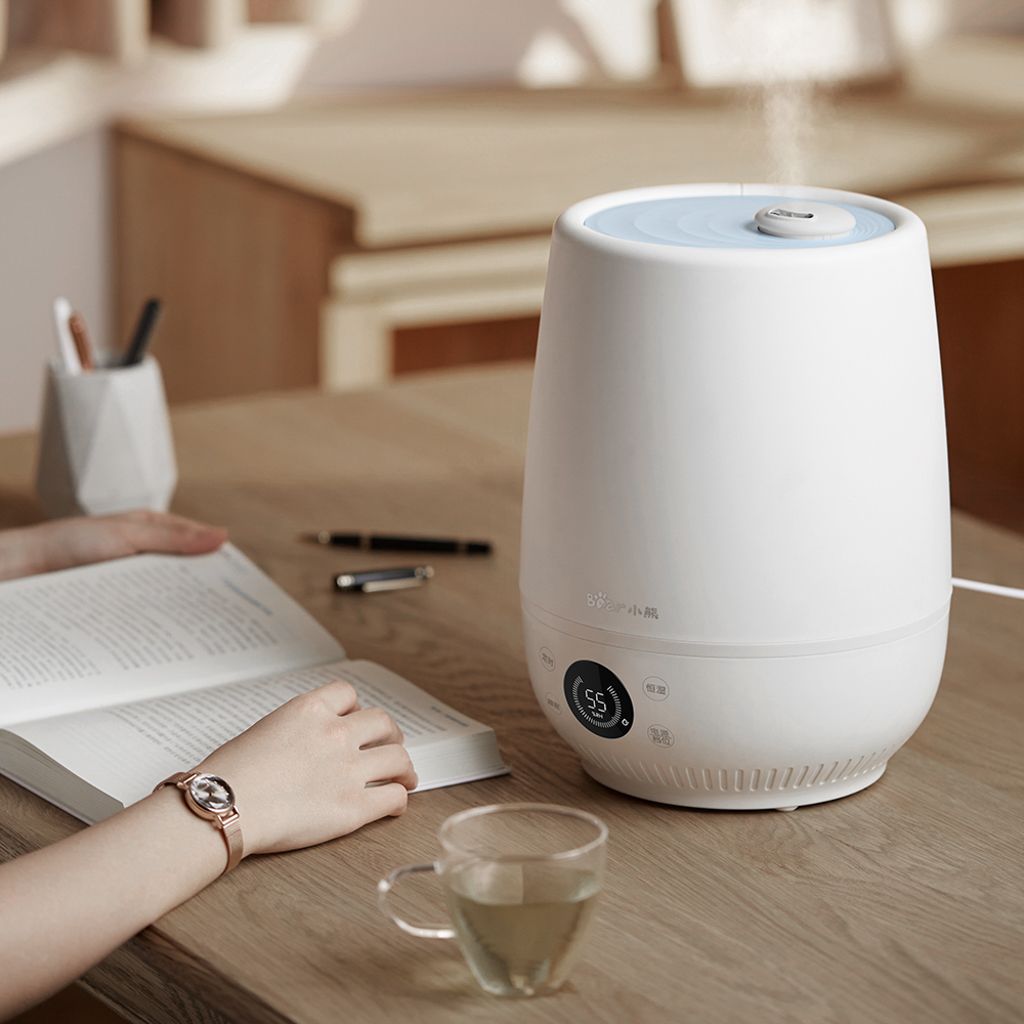
The Quick Answer: Why Elevation is Your Best Friend
For 9 out of 10 humidifiers, especially the popular ultrasonic and cool mist models, the answer is clear: place it on an elevated, flat, water-resistant surface, like a table, dresser, or nightstand.
Why the high ground? It’s all about physics. Most humidifiers produce a cool mist. This mist is slightly denser and heavier than the surrounding air. If you place the unit on the floor, that wonderful, moisture-rich vapor doesn’t get a chance to circulate. It simply sinks, creating a cold, damp spot on your floor or carpet. Think of it like trying to water your entire garden by just pouring a bucket at the base of one plant—it’s not very effective.
Placing your humidifier at least two to three feet off the ground gives the mist the hang time it needs to disperse evenly throughout the room, raising the overall relative humidity instead of just soaking one area.
Should a Humidifier Be on the Floor or a Table? The In-Depth Breakdown
While “on a table” is the general rule, let’s explore the specific reasons why, and the rare exceptions when the floor might be okay.
The Strong Case for the Table (or an Elevated Surface)
Putting your humidifier on a sturdy, elevated surface isn’t just a suggestion; it’s a best practice for several crucial reasons:
- Maximum Mist Dispersion: As we covered, elevation is king for circulation. The higher the starting point, the more time the mist has to mix with the air before it naturally settles. This leads to a more consistent and comfortable humidity level throughout your space.
- Protecting Your Floors: This is a big one. Placing a humidifier directly on a hardwood or laminate floor is a recipe for disaster. Over time, the concentrated moisture can cause the wood to warp, swell, or stain. For carpets, it creates a breeding ground for mold and mildew. Nobody wants that.
- Safety First (Kids and Pets): A humidifier on the floor is an easy target for a curious toddler or a playful pet. Tipping it over can create a watery mess and a potential electrical hazard. Keeping it on a stable dresser or high shelf puts it safely out of reach.
- Unobstructed Air Intake: Most humidifiers have an air intake vent, often near the base. Placing the unit on a plush carpet can block this vent, forcing the machine to work harder and potentially shortening its lifespan.
The Rare Exceptions: When the Floor Might Work
Are there any situations where the floor is acceptable? A few, but they are specific:
- Large Console or Evaporative Humidifiers: Some large, powerful evaporative humidifiers are designed to sit on the floor. These units are often bulky, heavy when filled, and built with a powerful fan that actively pushes the moistened air upwards and outwards. Always check the manufacturer’s instructions—if it’s designed for the floor, they will say so.
- Warm Mist or Steam Vaporizers: These models work by boiling water to create steam. Since steam rises, placement is less critical for dispersion. However, the safety concern becomes even more important. A floor-level unit full of boiling water is a significant burn risk for children and pets. For this reason, we still recommend an elevated, out-of-the-way spot.
What is the Best Height and Location for a Humidifier?
Now that we’ve established that a table is better than the floor, let’s pinpoint the perfect spot. The ideal placement for most humidifiers is on a flat, stable surface that is at least two feet off the ground. A nightstand, dresser, or a small, sturdy side table are all excellent choices.
Beyond height, here are a few more pro tips for placement:
- Keep Some Distance: Aim for at least 6-12 inches of clearance around the unit, especially from walls and furniture. This ensures proper airflow and prevents moisture from building up on surfaces.
- Avoid Wood Surfaces (If Possible): Even with perfect operation, minor spills or condensation can happen. If you must place it on a nice wood dresser, put a tray or mat underneath to protect the finish.
- Steer Clear of Electronics: This should be a no-brainer. Keep your humidifier away from TVs, computers, speakers, and outlets to prevent moisture damage.
- Not Directly Under a Window: Placing a humidifier under a window, especially in winter, can cause condensation to form on the cold glass pane.
- Away from Vents and Radiators: Placing it too close to a heat source or an air return vent can give you inaccurate readings on the unit’s built-in hygrometer and can interfere with proper air circulation.
Beyond Placement: Getting the Most From Your Humidifier
Correct placement is the first step. To truly transform your indoor air quality, you need a holistic approach. I’ve seen countless people buy a great machine only to be disappointed because they missed these crucial steps.
Choose the Right Water
Tap water often contains minerals which, in ultrasonic humidifiers, can be released into the air as a fine white dust. This “white dust” can settle on furniture and be inhaled. To avoid this, it’s highly recommended to use distilled or demineralized water. It will keep your air cleaner and your humidifier running better for longer.
Cleanliness is Non-Negotiable
A dirty humidifier can do more harm than good. A stagnant water tank is a perfect environment for mold, bacteria, and other gunk to grow. When you turn the machine on, it can pump these contaminants into the air you breathe.
“A humidifier is a tool for respiratory health, but a poorly maintained one can become a source of indoor air pollution. Regular cleaning, as recommended by the EPA, is not just about machine maintenance; it’s about protecting your family’s health.”
– Dr. Eleanor Vance, Indoor Air Quality Specialist
Here is a simple cleaning checklist:
- Daily: Empty, rinse, and dry the tank and base.
- Weekly: Disinfect the unit. Fill the tank with a solution of water and white vinegar (or as per the manufacturer’s instructions), let it sit for 20-30 minutes, then rinse thoroughly. Use a small brush to scrub any stubborn residue.
- Periodically: Replace filters or wicks as recommended by the manufacturer.
For a complete walkthrough, check out [our comprehensive guide to cleaning your humidifier].
Frequently Asked Questions
Q: How far should a humidifier be from my bed?
A: A distance of 3 to 5 feet is ideal. This is close enough to reap the benefits for your skin and sinuses while you sleep but far enough away that the direct cool mist won’t make you feel chilly or cause dampness on your bedding.
Q: Is it safe to put a humidifier on a wooden nightstand?
A: It can be, but you must take precautions. Place a waterproof tray or a plastic mat under the humidifier to catch any potential drips or condensation. This protects the wood from water damage, which can be costly to repair.
Q: Can I put a humidifier on the carpet?
A: It is strongly advised not to. Placing a humidifier directly on carpet is a bad idea because the concentrated moisture can soak into the fibers and padding, creating a perfect environment for mold and mildew to grow. It can also block the unit’s air intake.
Q: What is the ideal humidity level for a bedroom?
A: According to health experts, the optimal indoor relative humidity level is between 40% and 60%. Levels below 30% can cause dryness and irritation, while levels above 60% can promote mold growth. Many modern humidifiers come with a built-in hygrometer to help you monitor this.
Q: Does the type of humidifier affect the answer to whether it should be on the floor or a table?
A: Yes, it does. As discussed, small to medium-sized cool mist and ultrasonic models should always be on a table. Large floor-standing console models are the primary exception, as they are designed for floor use. Warm mist models also benefit from elevation for safety reasons.
The Final Word on Humidifier Placement
So, when faced with the question of should a humidifier be on the floor or a table, the verdict is overwhelmingly in favor of the table. By elevating your humidifier, you ensure efficient and even moisture distribution, protect your home from water damage, and keep your family safe.
Remember that your humidifier is a powerful tool in your quest for a healthier, more comfortable home. Treating it with a little care—through proper placement, the right water, and regular cleaning—will pay you back with every clean, comfortable breath you take. Now go find that perfect spot and start enjoying the benefits of perfectly balanced air.