Let’s be honest, we’ve all been there. You buy a humidifier, you’re excited about escaping the clutches of dry winter air, and for a few weeks, it’s bliss. Your skin feels better, you’re not zapping yourself on every doorknob, and that scratchy throat is a distant memory. But then life gets busy. The little machine in the corner keeps chugging along, and the thought of cleaning it slips your mind. It’s just water, right? What could go wrong? This is where many people get into trouble, and it’s why we need to talk about what happens if you don’t clean your humidifier. That soothing mist could be hiding a dirty little secret that impacts your health and your home.
Are you waking up with a stuffy nose even though your humidifier is running? It might not be the dry air you need to worry about anymore. Let’s dive into the hidden world inside your uncleaned humidifier.
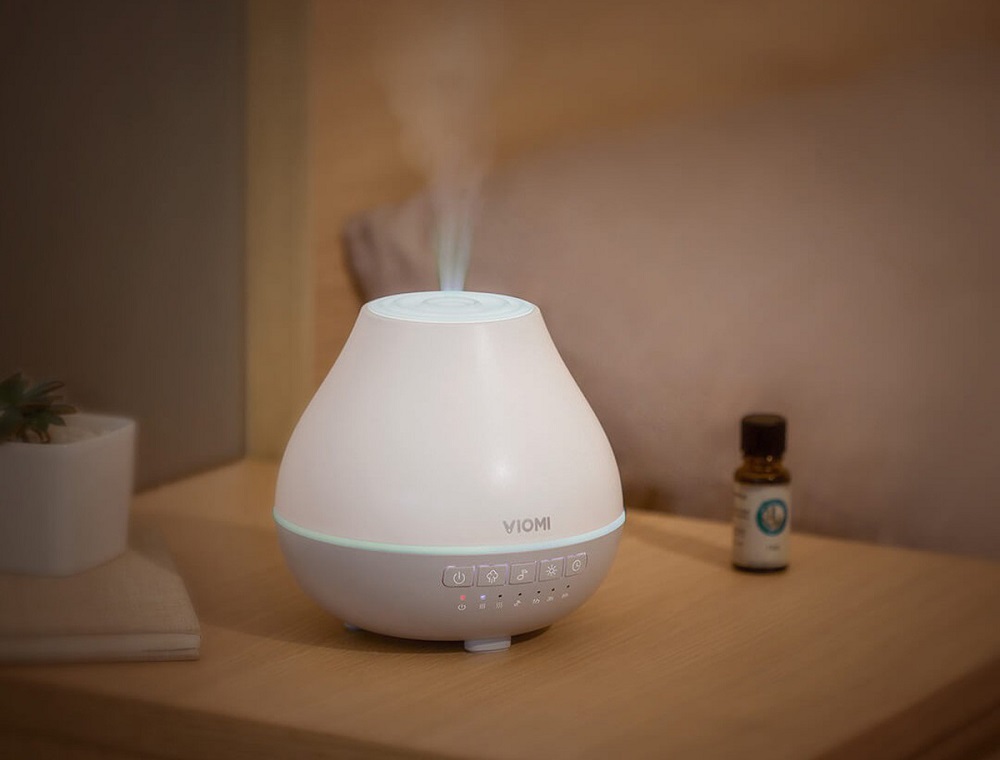
The Unpleasant Truth: What Happens If You Don’t Clean Your Humidifier
Think of your humidifier’s water tank as a tiny, indoor pond. When left stagnant, it becomes the perfect vacation spot for all sorts of microscopic nasties. When you turn the unit on, it doesn’t just aerosolize water; it aerosolizes everything in the water.
A Breeding Ground for Mold and Bacteria
This is the biggest and most concerning risk. A dark, wet environment is a five-star resort for mold, mildew, and bacteria. You might even spot it—that infamous pink or black slime that forms around the edges of the tank. This isn’t just an eyesore; it’s a biofilm teeming with microorganisms.
When your humidifier releases its mist, it’s also launching these spores and bacteria directly into the air you breathe. This can lead to:
- Allergy Flare-ups: If you have allergies, you’re essentially pumping allergens directly into your living space.
- Asthma Triggers: For those with asthma, inhaling mold spores can trigger serious respiratory distress.
- “Humidifier Fever”: The U.S. Environmental Protection Agency (EPA) warns of a flu-like illness called humidifier fever, caused by inhaling contaminants from dirty humidifiers. Symptoms include fever, chills, and a cough that usually subsides once you’re away from the contaminated source.
The Rise of “White Dust”
Ever notice a fine, white powder settling on the furniture near your humidifier? This isn’t magic; it’s “white dust.” This is especially common with ultrasonic models.
If you use regular tap water, which is rich in minerals like calcium and magnesium, the humidifier breaks these down into microscopic particles and releases them into the air. While generally not harmful for most people, this mineral dust can be an irritant for individuals with respiratory sensitivities. More importantly, it’s a clear sign of mineral buildup inside your machine, which can clog its components and reduce its efficiency.
A Shorter Lifespan for Your Device
Just like a car needs an oil change, your humidifier needs regular maintenance. Mineral buildup, also known as scale, can coat the heating element or ultrasonic transducer. This forces the machine to work harder to produce mist, consuming more energy and eventually leading to a complete breakdown. A simple cleaning routine doesn’t just protect your health; it protects your investment.
The Ultimate Humidifier Cleaning Checklist
Okay, so we’ve established the “why.” Now for the “how.” Cleaning your humidifier is much easier than you think. By dedicating just a few minutes a week, you can ensure your device remains a source of comfort, not contamination.
Here’s a simple, step-by-step guide for a weekly deep clean:
- Safety First: Unplug It! Never, ever start cleaning any electronic device while it’s plugged in.
- Disassemble Carefully: Separate the water tank from the base. Empty any remaining water from both parts. If your model has other removable parts, like a filter or nozzle, take those out too.
- The Vinegar Soak (For Descaling): Fill the tank about halfway with a solution of one part white vinegar to one part water. Swish it around to coat the inside. If the base also holds water, pour some of the solution in there as well. Let it sit for at least 30-60 minutes. This will break down all that stubborn mineral buildup.
- The Gentle Scrub: After soaking, use a small, soft-bristled brush (an old toothbrush works wonders) to gently scrub the inside of the tank and any nooks and crannies in the base. This will dislodge any remaining scale or biofilm.
- Rinse, Rinse, and Rinse Again: This is crucial. Thoroughly rinse all parts with cool water until the smell of vinegar is completely gone. You don’t want your room smelling like a salad dressing.
- Dry Completely: Before reassembling, let all the parts air dry completely. Wiping them with a clean cloth can speed up the process. A dry environment prevents any lingering mold or bacteria from growing back immediately.
Pro Tip: For a daily refresh, simply empty the tank, give it a quick rinse with water, and dry it before refilling with fresh water. Never let water sit in the tank for days on end.
Expert Tips for Peak Humidifier Performance
To elevate your humidifier game, it’s not just about cleaning. It’s about a holistic approach to maintaining healthy indoor air. We asked an expert for their take.
“The single most impactful change you can make for your humidifier’s health and your own is to switch your water source. Using distilled or demineralized water virtually eliminates the ‘white dust’ problem and significantly reduces the rate of mineral buildup, making cleaning easier and the mist cleaner.”
— Dr. Eleanor Vance, Indoor Air Quality Specialist
What Kind of Water Should I Use?
As Dr. Vance noted, the water you use matters.
- Tap Water: Convenient and cheap, but it’s the primary cause of mineral buildup and white dust. If your area has “hard water,” this problem will be even worse.
- Filtered Water: Better than tap water, as filters can remove some minerals and impurities.
- Distilled or Demineralized Water: This is the gold standard. It has had almost all of its mineral content removed, meaning no white dust and far less scale to clean. You can find it at any grocery store.
How Often Should I Change the Water?
Every single day. This might sound like a hassle, but it’s the number one rule for preventing a microbial party in your water tank. Fresh water daily is your best defense against bacteria and mold growth.
Frequently Asked Questions
Q: Can a dirty humidifier really make you sick?
A: Yes, absolutely. Inhaling bacteria or mold spores aerosolized by a dirty humidifier can cause respiratory irritation, trigger allergies and asthma, and even lead to a flu-like illness known as “humidifier fever.”
Q: What is the pink slime in my humidifier and is it dangerous?
A: That pink slime is typically a biofilm created by an airborne bacterium called Serratia marcescens. While it’s not usually harmful to healthy individuals, it can cause infections in people with compromised immune systems and is a clear sign your humidifier needs a thorough cleaning.
Q: How do I know if my humidifier needs cleaning?
A: There are a few tell-tale signs. Look for a musty or stale odor coming from the mist, visible film or slime inside the tank, or a fine white dust settling on surfaces near the unit. Ideally, though, you should clean it weekly before these signs appear.
Q: Is it worth the cost to use distilled water?
A: For most people, yes. The cost of a gallon of distilled water is minimal compared to the time you’ll save on cleaning, the extended lifespan of your humidifier, and the peace of mind that comes from breathing truly clean, moisturized air.
Q: What is the ideal humidity level for a home?
A: Most experts, including the EPA, recommend keeping indoor relative humidity between 30% and 50%. Too low can cause dry skin and irritated sinuses, while too high (above 60%) can encourage mold growth in your home. Many humidifiers have a built-in hygrometer to help you monitor this.
Your Humidifier: A Partner in Wellness, Not a Health Hazard
Your humidifier is a powerful tool for creating a more comfortable and healthy living environment. It can be the difference between a winter of chapped lips and sore throats and a season of soothing relief. But like any tool, it requires proper care.
The consequences of neglect are clear. So, what happens if you don’t clean your humidifier? At best, you get an inefficient, dusty machine. At worst, you turn a device meant to help you breathe easier into a source of airborne pollutants that can make you sick. By committing to a simple routine of daily water changes and weekly cleanings, you ensure that every breath of humidified air in your home is as clean and healthy as it is comforting.