Ever woken up with a throat that feels like you’ve been gargling sandpaper? Or maybe it’s the constant static shock every time you touch a doorknob in the winter? If that sounds familiar, you’re likely dealing with the effects of dry indoor air. Many people wonder What Humidity Level Is Best For Sleeping, and the answer can be a game-changer for your nightly rest and overall health. The sweet spot, recommended by health experts, is between 40% and 60% relative humidity.
But what does that number actually mean for you? Think of it as creating the perfect, balanced ecosystem right in your bedroom. Too dry, and you’re inviting irritation. Too damp, and you’re rolling out the welcome mat for other unwelcome guests like mold. In this guide, we’ll break down everything you need to know to transform your bedroom into a sanctuary of comfort, one perfectly humidified breath at a time.
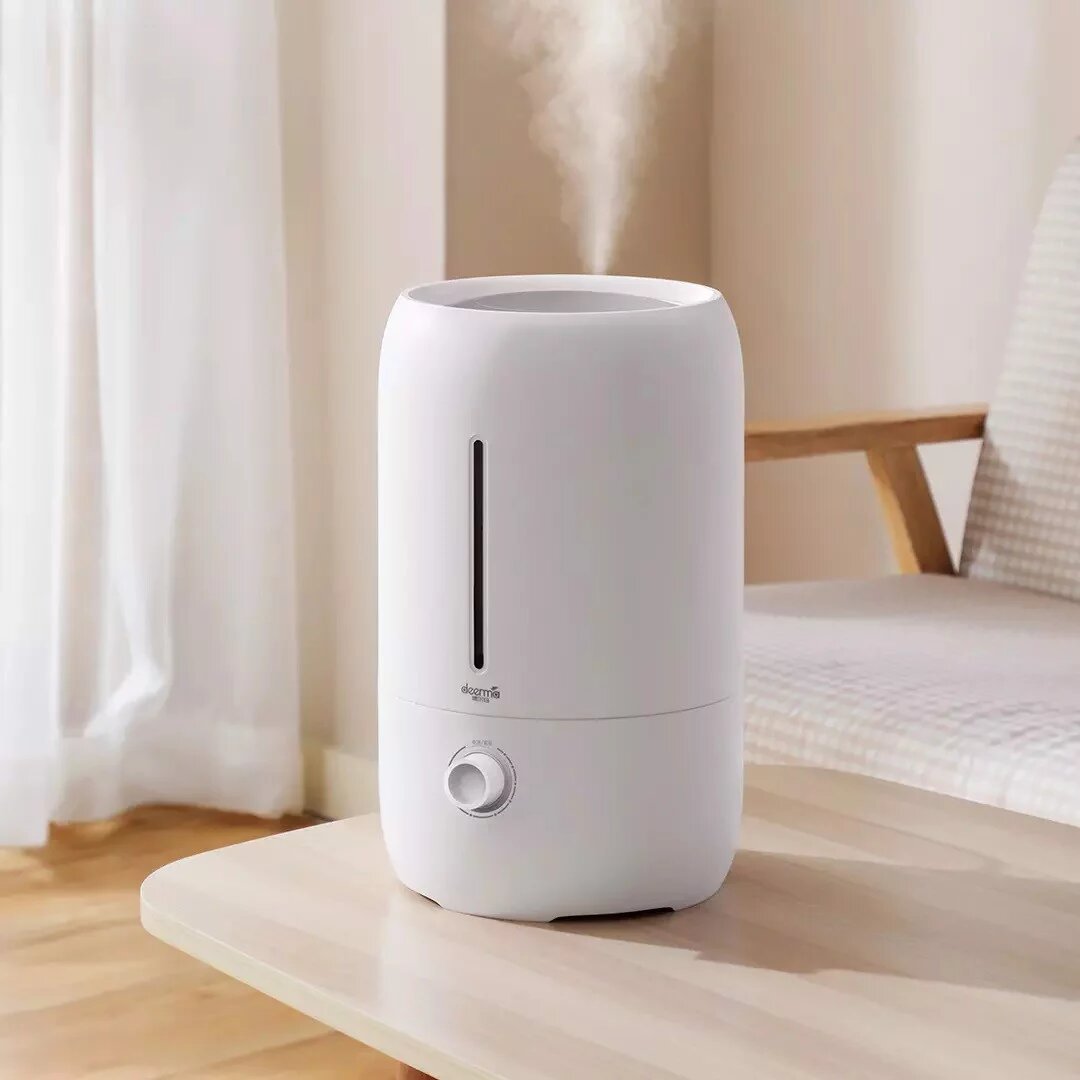
Why Your Bedroom’s Humidity is a Silent Sleep Partner
You might not think about the moisture in your air, but your body certainly does. Maintaining that ideal 40-60% humidity level while you sleep isn’t just about comfort; it’s about actively supporting your body’s natural functions.
Here’s how getting the humidity right can revolutionize your sleep:
- Soothes Your Airways: Dry air can parch your nasal passages and throat, leading to irritation, coughing, and even nosebleeds. Proper humidity keeps these delicate membranes moist, helping you breathe easier and reducing congestion. It can be a massive relief for those who suffer from allergies or sinus issues.
- Reduces Snoring: Believe it or not, dry air can make snoring worse. When your throat and nasal passages are dry, lubrication is reduced, which can increase the vibrations that cause snoring. A humidifier can help quiet things down for you and your partner.
- Hydrates Your Skin and Hair: I used to battle dry, flaky skin every single winter. A humidifier was my secret weapon. It helps your skin and hair retain their natural moisture, so you can wake up looking and feeling more refreshed and less itchy.
- Keeps Viruses at Bay: Studies have shown that many airborne viruses, including the flu, thrive and travel more easily in low-humidity environments. By keeping your room’s humidity in the optimal range, you can create an environment that’s less hospitable to these germs.
- Protects Your Home: It’s not just about you! Dry air can wreak havoc on your home, causing wood furniture and floors to crack, paint to chip, and wallpaper to peel. Maintaining a stable humidity level protects your investment.
Finding the “Goldilocks Zone”: What is the Best Humidity Level for a Bedroom?
As we’ve mentioned, the ideal range is between 40% and 60%. But why is this the magic number? Let’s look at what happens when you stray outside this “Goldilocks Zone.”
The Dangers of Too-Low Humidity (<40%)
When the air is too dry, it tries to steal moisture from wherever it can—including you.
- Health Issues: Increased risk of sore throats, dry coughs, irritated sinuses, bloody noses, and respiratory infections.
- Comfort Issues: Itchy eyes, dry skin, chapped lips, and an increase in static electricity.
- Home Issues: Damage to wood furniture, musical instruments, and flooring.
The Problem with Too-High Humidity (>60%)
On the flip side, overly moist air creates a different set of problems.
- Health Risks: High humidity creates a breeding ground for mold, mildew, and dust mites. These allergens can trigger asthma attacks and other allergic reactions.
- Comfort Issues: The air can feel stuffy and clammy, leading to a feeling of being sweaty and uncomfortable while trying to sleep.
- Home Issues: You might notice condensation on windows, damp spots on walls or ceilings, and a persistent musty odor.
As Dr. Eleanor Vance, an Indoor Air Quality Specialist, often says, “Think of indoor humidity like a delicate balancing act. Your goal isn’t just to add moisture, but to maintain a healthy equilibrium. A simple hygrometer is your most essential tool in this process, taking the guesswork out of creating a perfect sleep environment.”
A hygrometer is an inexpensive device that measures the relative humidity in a room. Many modern humidifiers have one built-in, but a standalone one can give you an accurate reading of your room’s conditions.
Choosing Your Nighttime Ally: The Right Humidifier for Your Bedroom
Once you’ve decided to take control of your bedroom’s air quality, the next step is choosing the right tool for the job. Not all humidifiers are created equal, and the best one for you depends on your needs and preferences.
Bảng trống.Ultrasonic vs. Evaporative: The Two Main Contenders
| Feature | Ultrasonic Humidifiers | Evaporative Humidifiers |
|---|---|---|
| How it Works | Uses high-frequency vibrations to create a fine, cool mist. | A fan blows air through a wet wick or filter, causing water to evaporate. |
| Noise Level | Virtually silent. Ideal for light sleepers and nurseries. | Can produce a low “white noise” from the fan, which some find soothing. |
| Mist Type | Visible cool mist. | Invisible moisture. No visible mist is produced. |
| “White Dust” | Can leave a fine white dust (mineral deposits) if using tap water. | Self-filtering. Minerals are trapped in the wick, so no white dust. |
| Maintenance | Requires regular, thorough cleaning to prevent bacteria buildup. | Wick filter needs to be replaced periodically (every 1-3 months). |
| Best For | Those who prioritize silence and enjoy seeing a visible mist. | Those who prefer a low-maintenance, self-regulating option and don’t mind a gentle fan sound. |
Key Features to Look For in a Bedroom Humidifier
- Built-in Humidistat: Automatically turns the unit on and off to maintain your desired humidity level. This is a must-have for preventing over-humidification.
- Tank Size & Run Time: Look for a model that can run for at least 8-12 hours on a single tank, so it doesn’t shut off in the middle of the night.
- Noise Level: As mentioned, ultrasonic models are typically quieter. Check the decibel (dB) rating if you’re a light sleeper.
- Ease of Cleaning: A simple design with a wide tank opening will make the all-important cleaning process much, much easier. Check out [our complete guide to cleaning your humidifier].
How to Use and Maintain Your Humidifier for Healthy Sleep
Owning a humidifier is just the first step. Using it correctly is key to reaping the benefits without any of the risks.
Setting Up for Success
- Placement is Key: Place the humidifier on a flat, water-resistant surface at least a few feet away from your bed and any wooden furniture. This allows the mist to disperse evenly and prevents direct moisture saturation.
- Use the Right Water: To prevent “white dust” and prolong the life of your unit (especially ultrasonic models), use distilled or demineralized water. Tap water contains minerals that can be dispersed into the air and build up inside the machine.
- Set the Humidistat: If your model has one, set it to your target humidity level, such as 45% or 50%. The machine will do the rest.
The Golden Rule: Keep It Clean
A dirty humidifier can go from a health hero to a health hazard, dispersing mold and bacteria into the air you breathe. Follow a strict cleaning schedule.
Humidifier Cleaning Checklist
- Daily: Empty the tank, rinse it thoroughly, and wipe it dry before refilling with fresh water. Never let water sit in the tank for days on end.
- Weekly (or as recommended by the manufacturer):
- Unplug the unit and empty any remaining water.
- Fill the tank partway with a solution of white vinegar and water. Let it sit for 20-30 minutes to dissolve mineral buildup.
- Use a soft brush to gently scrub the inside of the tank and the base.
- Rinse all parts thoroughly with clean water until the vinegar smell is gone.
- Let all parts air dry completely before reassembling.
The U.S. Environmental Protection Agency (EPA) strongly recommends this regular cleaning to ensure your humidifier releases only clean, healthy moisture.
Frequently Asked Questions (FAQ)
Q: Can I leave my humidifier on all night?
A: Absolutely! In fact, it’s recommended. To do so safely, choose a model with an automatic shut-off feature or a built-in humidistat that will power down the unit when the desired humidity level is reached or the tank runs empty.
Q: Is a warm mist or cool mist humidifier better for sleeping?
A: For general sleeping comfort, a cool mist humidifier is typically the preferred and safer choice. Warm mist units use a heating element that can be a burn risk, especially in homes with children or pets. Cool mist is just as effective at humidifying the air.
Q: How do I know if the humidity in my room is too high?
A: The most obvious sign is condensation forming on the inside of your windows. You might also notice a slightly musty smell or a clammy feeling in the air. A hygrometer is the best way to get a precise measurement.
Q: Will a humidifier help with my allergies or asthma?
A: It can be very helpful. By keeping your nasal passages moist, it can soothe irritation from allergens. It also helps reduce the number of airborne allergens that thrive in dry air. However, it’s crucial to keep the unit impeccably clean, as a dirty humidifier can make allergies and asthma worse.
Q: My ultrasonic humidifier is leaving white dust everywhere. What can I do?
A: The best solution is to switch to using distilled or demineralized water, which contains no minerals. If that’s not feasible, look for demineralization cartridges or filters designed for your specific humidifier model.
Your Best Night’s Sleep is Within Reach
Understanding what humidity level is best for sleeping is the first step toward transforming your nightly routine. By maintaining that 40-60% sweet spot, you’re not just chasing comfort—you’re actively investing in your health, from your skin to your respiratory system.
With the right humidifier and a commitment to simple maintenance, you can take control of your indoor environment. Say goodbye to scratchy throats and dry, itchy mornings, and hello to the deep, restorative sleep you deserve. It’s time to breathe easy and sleep soundly.