Ever wake up with a throat that feels like sandpaper? Or maybe your skin is staging a rebellion, feeling dry and itchy no matter how much lotion you use. If this sounds familiar, you’ve probably been wrestling with the invisible enemy of winter: dry indoor air. While you’ve likely heard of humidifiers, you might be wondering, What Is A Steam Vaporizer and could it be the warm, comforting solution you’ve been looking for?
You’re in the right place. Think of us at Humidifiert as your personal air quality guides. We’re here to demystify the world of humidifiers and help you breathe a little easier. So, let’s dive in and explore the steamy, soothing world of vaporizers.
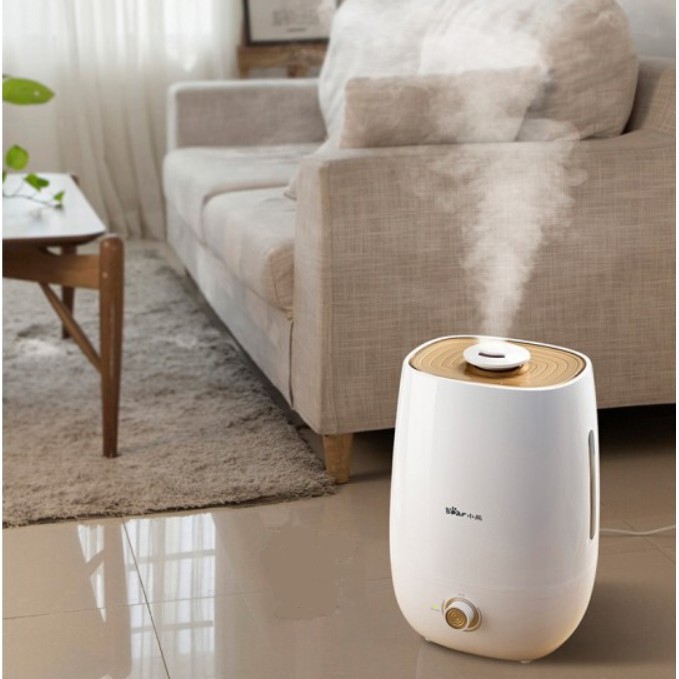
The Surprising Benefits of Nailing Your Indoor Humidity
Before we get into the nuts and bolts of a steam vaporizer, let’s talk about why you should even care about the moisture in your air. The ideal indoor relative humidity level is between 40% and 60%. When it drops below that, things start to go sideways. Here’s how a good humidifier can be a game-changer:
- Your Body Will Thank You: Properly humidified air can soothe dry nasal passages, ease congestion from a cold or flu, reduce coughing, and prevent nosebleeds. I used to get a terrible, tickly cough every January until I finally invested in a good humidifier for my bedroom.
- Happy Skin, Happy You: Say goodbye to chapped lips and flaky skin. Adding moisture to the air helps your skin stay hydrated and glowing from the inside out.
- Protect Your Home & Furnishings: Dry air can be brutal on your house itself. It can cause wood floors, furniture, and even musical instruments to crack or warp over time.
- Happier Houseplants: Your green friends will thrive in a more humid environment, rewarding you with lusher, healthier foliage.
- Zap the Zap: Tired of getting a static shock every time you touch a doorknob? A humidifier can significantly reduce static electricity in your home.
So, What Is a Steam Vaporizer, Really?
Okay, let’s get to the main event. A steam vaporizer, often called a warm-mist humidifier, is the most straightforward type of humidifier. Think of it like a tiny, highly controlled tea kettle. It has an internal heating element that boils the water in its reservoir, creating a pure, warm, and soothing steam that is then released into your room.
This process is simple but incredibly effective. Because the water is boiled, it kills off most waterborne bacteria, mold, and mineral deposits before they ever have a chance to get into your air. This means the mist you’re breathing is exceptionally clean.
The Good, The Bad, and The Steamy: Pros and Cons
Like any appliance, a steam vaporizer has its own set of strengths and weaknesses. Deciding if it’s right for you means weighing the pros and cons.
Pros:
- Germ-Free Mist: This is the biggest selling point. The boiling process ensures you’re not accidentally aerosolizing germs or mold spores. This is a huge plus for anyone with allergies or a compromised immune system.
- Medicated Relief: Many steam vaporizers have a special cup or slot where you can add medicated inhalants (like Vicks VapoSteam). This can be a lifesaver when you’re battling a nasty cold or chest congestion.
- No “White Dust”: Unlike some other types of humidifiers, vaporizers don’t produce fine mineral dust because the minerals are left behind in the tank during the boiling process.
- Slight Warming Effect: The warm mist can make a room feel slightly cozier, which is a welcome bonus during a chilly winter.
Cons:
- Safety Concerns: This is the most significant drawback. Because it contains boiling water, a steam vaporizer can be a burn risk if it’s knocked over. It’s not the recommended choice for a child’s bedroom or nursery unless placed completely out of reach.
- Higher Energy Consumption: It takes a good amount of energy to boil water, so these units typically use more electricity than their cool-mist counterparts.
- More Frequent Cleaning: The minerals left behind from the boiling process can build up quickly inside the unit, requiring regular cleaning to keep it running efficiently.
Steam Vaporizer vs. The Competition: A Quick Showdown
It’s easy to get lost in the sea of humidifier types. The main battle is usually between warm mist (steam vaporizers) and cool mist. Cool-mist humidifiers come in two main flavors: ultrasonic and evaporative.
- Ultrasonic Humidifiers: These use high-frequency vibrations to break water into a super-fine, visible cool mist. They are incredibly quiet and energy-efficient. The downside? They can release a fine “white dust” (minerals from your tap water) into the air and onto your furniture if you don’t use distilled water.
- Evaporative Humidifiers: These use a fan to blow air through a wet wick or filter. The process is self-regulating—as the air gets more humid, the evaporation rate slows down. They are generally affordable and don’t produce white dust, but the fan can be noisy, and the wicks need to be replaced regularly to prevent mold growth.
Here’s a quick comparison to help you see the differences at a glance:
| Feature | Steam Vaporizer | Ultrasonic Humidifier | Evaporative Humidifier |
|---|---|---|---|
| Mist Type | Warm Steam | Cool Mist | Cool Mist |
| Germs & Bacteria | Kills most germs (boils water) | Can disperse them if not clean | Trapped in filter |
| Noise Level | Quiet gurgling/boiling sound | Virtually silent | Can be noisy (fan) |
| Energy Use | High | Very Low | Low to Medium |
| Safety | Burn risk (hot water) | Generally safe | Generally safe |
| Cleaning | Frequent cleaning needed | Regular cleaning is critical | Wick filter needs replacing |
| White Dust | No | Yes (with tap water) | No |
How to Choose the Right Humidifier for You
The “best” humidifier is the one that fits your specific needs. When deciding if a what is a steam vaporizer is your perfect match, ask yourself these questions:
- Who is it for? If it’s for a general living area or an adult’s bedroom, a steam vaporizer is a great option. If it’s for a baby’s nursery or a toddler’s room, a cool-mist model is the safer choice to eliminate any risk of burns.
- What’s my primary goal? If your main concern is getting the purest, most germ-free mist possible, especially during cold and flu season, the steam vaporizer is the undisputed champion.
- What’s my budget for operating costs? Be prepared for a slightly higher electricity bill with a steam vaporizer. If energy efficiency is your top priority, an ultrasonic model might be a better fit.
- How much maintenance am I willing to do? All humidifiers require cleaning, but steam vaporizers need diligent de-scaling. If you’re someone who might forget, an evaporative model with a disposable filter could be more forgiving.
“The primary advantage of a steam vaporizer is its inherent ability to pasteurize the water,” notes Dr. Eleanor Vance, an Indoor Air Quality Specialist. “By boiling the water, it effectively neutralizes most microorganisms, delivering a clean, hygienic moisture into your breathing space. This is particularly beneficial for individuals with respiratory sensitivities.”
Using and Maintaining Your Steam Vaporizer Like a Pro
Getting a steam vaporizer is one thing; using it correctly is another. Follow these tips to ensure you’re getting all the benefits without any of the drawbacks.
Safety First: The Golden Rules
- Placement is Key: Always place the unit on a flat, waterproof surface at least four feet away from the bed and well out of the reach of children and pets.
- Handle with Care: Never move or refill the vaporizer when it’s hot. Let it cool down completely first.
- Direct the Steam: Aim the steam nozzle away from curtains, bedding, and furniture to prevent moisture damage.
The Cleaning Conundrum: A Step-by-Step Guide
To prevent mineral buildup (scale) and keep your vaporizer running efficiently, aim to clean it every few days.
- Unplug and Cool Down: Safety first! Make sure the unit is unplugged and completely cool.
- Empty and Rinse: Discard any remaining water from the tank and the base. Rinse them thoroughly with fresh water.
- Descale with Vinegar: This is the magic step. Pour about a cup of undiluted white vinegar into the base and let it sit for at least an hour. This will dissolve all that crusty mineral buildup. For stubborn spots, you can gently scrub with a soft brush.
- Rinse Again: Pour out the vinegar and rinse the base and tank multiple times with clean water until the vinegar smell is gone.
- Dry and Reassemble: Wipe all parts dry with a clean cloth before reassembling and storing. A weekly deep clean like this will keep your machine happy and healthy.
Frequently Asked Questions (FAQ)
Q1: Can I use essential oils in my steam vaporizer?
A: It depends on the model. Many steam vaporizers have a dedicated medicine cup or scent pad for this purpose. Never add oils directly to the water tank, as this can damage the heating element and void your warranty.
Q2: Is it okay to use tap water in a steam vaporizer?
A: Yes, it’s generally fine. Because the vaporizer boils the water, the minerals from tap water (which cause white dust in other models) are left behind in the tank. However, using hard water will mean you need to clean and descale the unit more frequently.
Q3: Will a steam vaporizer make my room too hot?
A: While it does release warm steam, the effect on the overall room temperature is minimal. It might make a small, enclosed room feel a bit cozier, but it won’t act as a space heater.
Q4: How long should I run my steam vaporizer?
A: It’s best to run it only when you need it, such as overnight while you sleep or during the day if you’re feeling congested. Use a hygrometer to monitor your room’s humidity and aim to keep it between 40-60%. Running it constantly can lead to over-humidification, which can cause condensation and encourage mold growth.
Q5: Are steam vaporizers noisy?
A: They are generally quiet. You might hear a gentle, soft gurgling or hissing sound as the water boils, which many people find soothing and relaxing, similar to a white noise machine.
The Final Word on Steam Vaporizers
So, what is a steam vaporizer? It’s a powerful, effective tool for combating dry air, especially when you’re looking for warm, germ-free relief from a cold or congestion. It works by boiling water to create a pure steam, making it a hygienic choice for adults looking to improve their indoor air quality.
While it requires a commitment to regular cleaning and careful placement due to the hot water, the benefits of breathing clean, moisturized air are undeniable. By understanding how it works and how it stacks up against the competition, you can make an informed choice that will have you breathing easier all winter long.