Ever noticed a fine, white film settling on your furniture, especially near your humidifier? It’s a common puzzle, and the answer often leads back to the water you’re using. If you’ve been wondering What Is A Water Filter For A Humidifier and if you actually need one, you’ve come to the right place. Think of us at Humidifiert as your personal air quality consultants, here to clear the air—literally. Dry air can be a real nuisance, leading to everything from scratchy throats to static shocks, but the solution shouldn’t create a new problem.
That’s where the humble humidifier filter steps in. It’s more than just an accessory; for many people, it’s the key to unlocking the full, clean, and healthy benefits of their device. Let’s dive in and demystify this essential component, so you can breathe easier and keep your home feeling fresh.
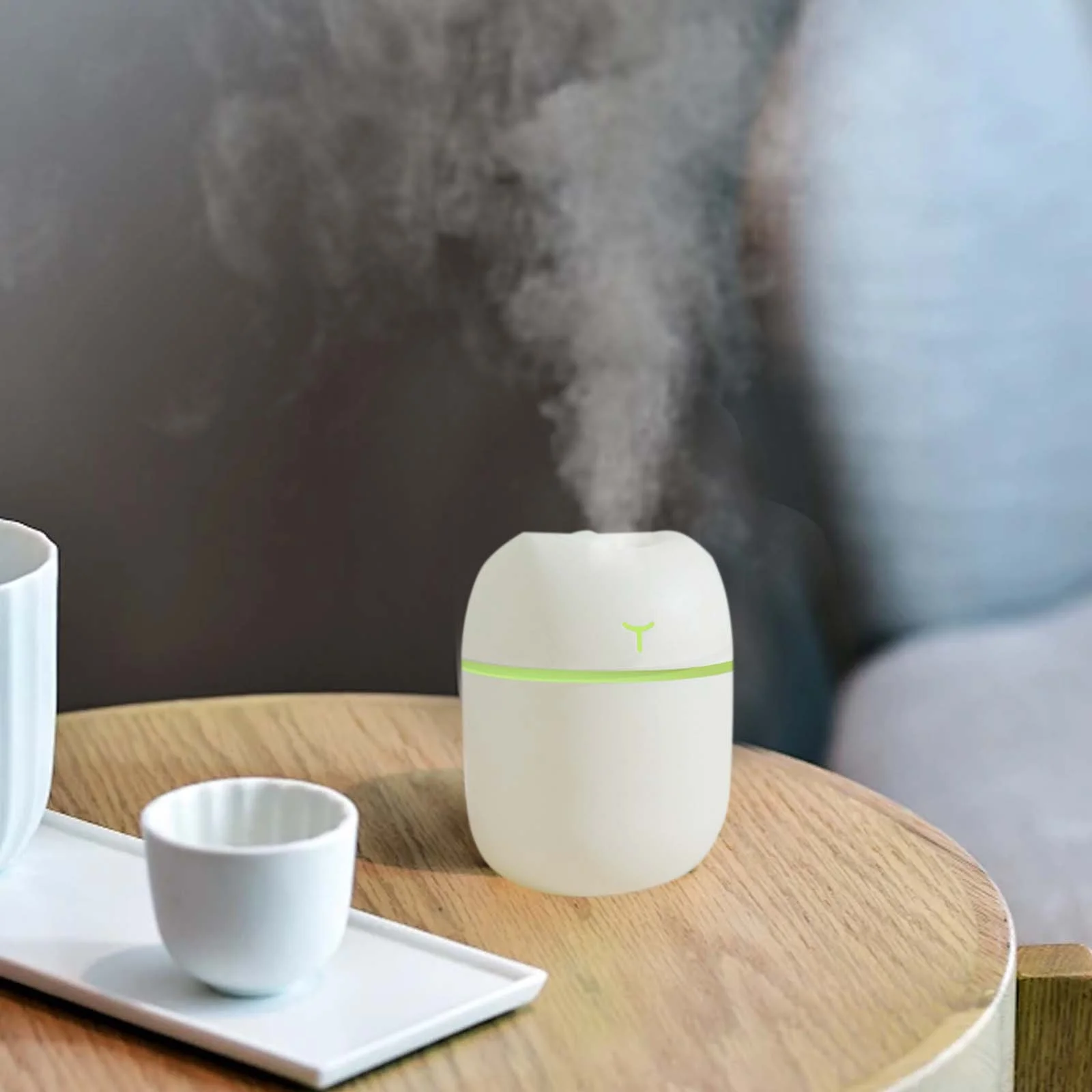
The Mystery of “White Dust” and Hard Water
Before we define the filter itself, let’s talk about the main culprit it’s designed to fight: hard water. Most of us use tap water to fill our humidifiers because it’s convenient. However, tap water isn’t just pure H₂O. It contains dissolved minerals like calcium and magnesium.
When an ultrasonic or cool mist humidifier turns this water into a fine mist, those minerals get aerosolized right along with it. They then travel through the air and settle on surfaces as a fine, chalky powder often called “white dust.” While generally considered harmless, no one wants an extra layer of dust to clean, and some studies suggest that inhaling high concentrations of these mineral particles over time isn’t ideal for your respiratory system.
So, What Is a Water Filter for a Humidifier, Exactly?
A humidifier water filter is a component designed to remove minerals and other impurities from the water before it gets turned into mist and released into your air. Think of it like the filter in your water pitcher or your coffee machine. Its job is to purify the input (water) to ensure a cleaner output (mist).
These filters are not one-size-fits-all. They come in different shapes and forms, primarily falling into two main categories, each tailored to a specific type of humidifier technology.
The Main Players: Types of Humidifier Filters
Understanding the type of filter your machine uses is crucial. The two most common types are demineralization cartridges and wicking filters.
Demineralization Cartridges (For Ultrasonic and Impeller Humidifiers)
These are typically small, self-contained pods or cartridges that you drop directly into the humidifier’s water tank. They are the primary answer to the question of what is a water filter for a humidifier when you’re dealing with white dust.
- How they work: They use an ion-exchange process. Inside the cartridge are tiny resin beads that attract and trap mineral ions (like calcium and magnesium) from the water, effectively “softening” it.
- Best for: Ultrasonic and impeller (cool mist) humidifiers, which are the biggest culprits for producing white dust.
- Pros: Highly effective at preventing white dust, easy to use (just drop it in), and relatively inexpensive.
- Cons: Needs to be replaced every 30-60 days, depending on your water hardness and usage.
Wicking Filters (For Evaporative Humidifiers)
If you have an evaporative humidifier, you’re already familiar with these. They look like large, textured paper or mesh pads that sit inside the unit.
- How they work: A wicking filter serves a dual purpose. First, it absorbs water from the reservoir. Second, a fan blows air through the saturated filter, which causes the water to evaporate and enter the air as pure vapor. The minerals and impurities get left behind, trapped in the filter.
- Best for: Evaporative humidifiers. In fact, the machine cannot function without one.
- Pros: Naturally prevents white dust because minerals are not aerosolized. It also traps larger impurities.
- Cons: The filter must be kept consistently moist and needs regular replacement (every 1-3 months) to prevent mold and bacteria growth. If it dries out and hardens with mineral deposits, it becomes ineffective.
Do All Humidifiers Need a Filter?
This is a fantastic question, and the answer is no. It really depends on the type of humidifier you own and the type of water you use.
- Ultrasonic/Impeller Humidifiers: If you use regular tap water, a demineralization filter is highly recommended to prevent white dust. The alternative is to exclusively use distilled or demineralized water.
- Evaporative Humidifiers: These require a wicking filter to function. It’s an integral part of the machine’s design.
- Steam Vaporizers/Warm Mist Humidifiers: These typically do not require a filter. They work by boiling water to create steam. The boiling process itself is a form of purification, as minerals and bacteria are left behind in the tank. You’ll just need to clean the heating element regularly to remove the resulting mineral scale.
As our go-to Indoor Air Quality Specialist, Dr. Eleanor Vance, often explains, “When you use an ultrasonic humidifier with hard tap water, you’re essentially creating an aerosol of microscopic rock particles. While your body has defense mechanisms, consistently breathing this in is an unnecessary burden. A demineralization filter is a simple, effective tool to ensure you’re only breathing in clean, pure moisture.”
The Benefits of Using a Humidifier Filter
So, is it worth the effort of buying and replacing a filter? Absolutely. Here’s why investing in the right filter is a smart move for your health and your home.
- Improves Your Air Quality: This is the big one. A filter ensures the mist being released is free from minerals, preventing white dust and reducing the amount of particulate matter you’re breathing in.
- Protects Your Humidifier: Mineral buildup, or scale, is the arch-nemesis of water-based appliances. It can clog nozzles, coat heating elements, and reduce the efficiency of your humidifier, ultimately shortening its lifespan. A filter stops scale before it starts.
- Saves You Cleaning Time: Less mineral buildup in the tank and no white dust on your furniture means less time spent scrubbing and dusting. It’s a simple change that makes maintenance much easier.
- Gives You Peace of Mind: Knowing that your humidifier is producing clean, pure moisture without any unwanted extras allows you to relax and enjoy the benefits of perfect indoor humidity.
How to Choose, Use, and Replace Your Humidifier Filter
Getting into a good filter routine is easy. Just follow these simple steps to ensure optimal performance.
- Check Your User Manual: Your humidifier’s manual is the ultimate source of truth. It will specify the exact model or type of filter you need. Using an incompatible filter can be ineffective or even damage your unit.
- Identify Your Water Hardness: If you live in an area with very hard water, you’ll need to replace your filter more frequently. You can often check your city’s water quality report online. The harder the water, the harder your filter has to work.
- Follow a Replacement Schedule: Don’t wait for problems to appear. Mark your calendar or set a recurring reminder to check and change your filter. For demineralization cartridges, this is typically every 30-40 uses. For wicking filters, it’s every 1-3 months, or whenever they become hard, discolored, or start to smell.
- Never Try to Clean a Disposable Filter: This is a common mistake. Most wicking filters and demineralization cartridges are designed for single-use. Washing them can damage the filter material and re-introduce trapped bacteria back into your water. Always replace them with a new one.
The Big Debate: Humidifier Filter vs. Distilled Water
Some people wonder if they can just skip the filter by using distilled water. This is a perfectly valid strategy! Let’s break it down.
- Using a Filter with Tap Water:
- Pros: Convenient (tap water is readily available), and filters are relatively cheap.
- Cons: Requires the recurring cost and effort of replacing the filter.
- Using Distilled Water (No Filter):
- Pros: Distilled water is mineral-free, so it completely eliminates the risk of white dust and scale buildup. It’s the purest option.
- Cons: Can be expensive and inconvenient, as you have to constantly buy and store gallons of water.
Our recommendation? For most people, using a what is a water filter for a humidifier with tap water is the most practical and cost-effective balance. However, if you have a small humidifier or only use it occasionally, distilled water can be an excellent, hassle-free alternative.
Frequently Asked Questions (FAQ)
Q: Can a dirty humidifier filter make you sick?
A: Yes, it’s possible. A wicking filter that is old and constantly damp can become a breeding ground for mold and bacteria. When the fan blows air through it, these spores can be dispersed into your room. This is why regular replacement is a critical health and safety measure.
Q: What happens if I don’t use a demineralization filter in my ultrasonic humidifier?
A: If you use tap water, you will almost certainly see white mineral dust accumulate on surfaces around the humidifier. Over time, mineral scale can also build up inside the device, potentially harming its sensitive ultrasonic membrane.
Q: How do I know when to change my wicking filter?
A: There are three clear signs: 1) It feels hard and crusty to the touch. 2) It has a noticeable yellow or brown discoloration from mineral deposits. 3) It’s emitting a musty or unpleasant odor. If you see any of these, it’s time for a new one.
Q: Can I use a water filter from a different brand?
A: It’s strongly discouraged. Humidifier filters are designed to fit the specific shape and flow rate of their corresponding models. An ill-fitting filter won’t work effectively and could impede your humidifier’s function. Always use the manufacturer-recommended replacement.
Q: Does a water filter remove chlorine from tap water?
A: Most basic humidifier filters, like demineralization cartridges and standard wicking filters, are primarily designed to capture minerals. While some may reduce chlorine to a small degree, they are not specialized for it. The small amount of chlorine in tap water typically dissipates quickly when misted anyway.
Your Ticket to Cleaner, Healthier Air
So, let’s circle back to our original question: what is a water filter for a humidifier? It’s your first line of defense against the impurities in your water. It’s the gatekeeper that ensures the moisture entering your home is clean, pure, and healthy.
Whether it’s a demineralization cartridge battling white dust or a wicking filter providing clean evaporation, this small component plays a massive role in the performance of your humidifier and the quality of your air. By understanding its purpose and committing to a simple maintenance routine, you’re not just taking care of your device—you’re taking a proactive step toward a healthier, more comfortable living space. So, check your filter, breathe deep, and enjoy the perfect humidity you deserve.