Ever wake up with a scratchy throat, dry skin, or find yourself getting zapped by static electricity every time you touch a doorknob in the winter? You’re not alone. That’s your home’s cry for help, a sign of painfully dry air. A humidifier is the obvious hero here, but inside many of these devices lies a component you might not think much about. So, What Is A Wicking Filter In A Humidifier, and why is it so incredibly important for the air you breathe?
Think of it as the quiet, hardworking heart of your machine. It’s not just a piece of paper; it’s a sophisticated component designed to deliver clean, perfectly balanced moisture into your living space, without any of the annoying side effects. If you’ve ever been curious about what makes your evaporative humidifier tick, you’ve come to the right place. Let’s pull back the curtain on this unsung hero of home comfort.
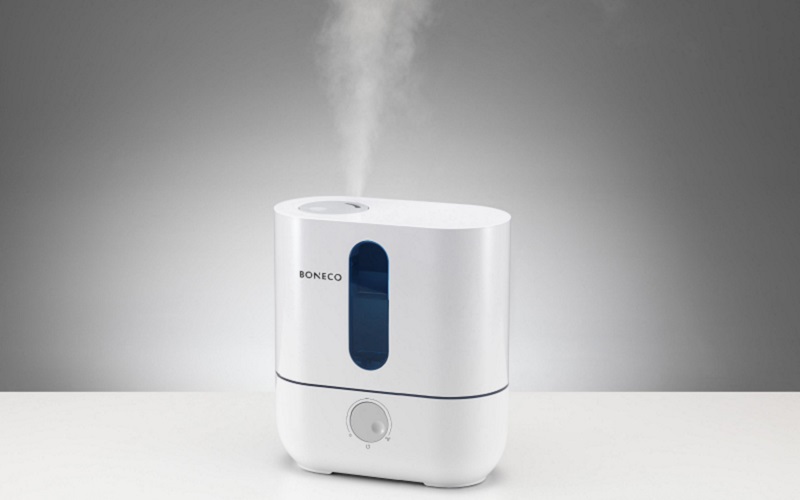
So, What Exactly Is a Wicking Filter in a Humidifier?
In the simplest terms, a wicking filter is a specialized, absorbent pad, typically made of a porous paper or synthetic mesh material. It’s found exclusively in evaporative humidifiers. Its primary job is to soak up water from the humidifier’s reservoir and provide a large surface area for that water to evaporate from.
Think of it like a high-tech paper towel. When you dip one end of a paper towel in water, you can see the water “climb” up the fibers against gravity. This is called capillary action, or “wicking.” A humidifier’s wicking filter does the exact same thing, but on a much larger and more efficient scale. It draws water up from the tank, becoming fully saturated. A fan then blows dry air from your room through this moist filter, causing the water to evaporate and be released into your room as a fine, invisible vapor.
How a Wicking Filter Actually Works: A Step-by-Step Breakdown
It might sound a bit technical, but the process is beautifully simple and effective. Let’s break it down:
- Absorption: The bottom of the wicking filter sits in the humidifier’s water reservoir. Through capillary action, it continuously draws water upwards, saturating the entire filter.
- Filtration: As the filter soaks up the water, it also acts as a natural trap. Minerals, sediment, and other impurities found in tap water (especially hard water) get caught in the filter’s fibers instead of being released into your air. This is a huge benefit we’ll discuss more in a moment.
- Evaporation: A quiet fan inside the humidifier pulls in dry air from your room.
- Distribution: This air is then forced to pass through the saturated wicking filter. As it does, it picks up moisture, becoming properly humidified. This moist, invisible vapor is then circulated back into your room, raising the relative humidity to a more comfortable level.
This entire process is natural and self-regulating. The air will only absorb as much moisture as it can hold, which prevents the all-too-common problem of over-humidification that can lead to condensation on windows and even mold growth.
The Evaporative Advantage: Why Wicking Filters Are a Game-Changer
Now you know what a wicking filter in a humidifier is, but why should you care? Because this simple component gives evaporative humidifiers some serious advantages over other types, like their popular ultrasonic cousins.
Natural Mineral Filtration (Goodbye, White Dust!)
If you’ve ever used an ultrasonic humidifier with regular tap water, you’ve probably seen it: a fine, white film that settles on all your dark furniture. This “white dust” is actually the mineral content (calcium, magnesium, etc.) from your water that gets atomized and launched into the air along with the water droplets.
A wicking filter solves this problem beautifully. The minerals get trapped in the filter as the water evaporates, so only clean, pure moisture is released.
“A well-maintained wicking filter is your first line of defense against airborne mineral dust,” notes Dr. Eleanor Vance, an Indoor Air Quality Specialist. “It ensures the humidity you’re adding to your home is clean and doesn’t contribute to particulate pollution, which is especially important for households with respiratory sensitivities.”
Self-Regulating and Prevents Over-Humidification
The rate of evaporation from a wicking filter naturally slows down as the room’s humidity level rises. This means it’s nearly impossible to over-humidify a room with an evaporative model. It works with the laws of physics to bring your space to an ideal humidity level (typically 40-60%) and then holds it there, without you having to constantly monitor it. This is a stark contrast to ultrasonic or steam models, which can easily push a room’s humidity too high if left unchecked.
Wicking Filter vs. Other Humidifier Types: A Quick Showdown
To put it all in perspective, here’s how humidifiers with wicking filters stack up against the competition.
| Feature | Evaporative (Wicking Filter) | Ultrasonic | Steam Vaporizer (Warm Mist) |
|---|---|---|---|
| Mist Type | Invisible, cool mist | Visible, cool mist | Visible, warm mist |
| White Dust | No (minerals trapped in filter) | Yes (with tap water) | Minimal (boiling leaves minerals behind) |
| Energy Use | Low | Very Low | High |
| Noise Level | Low to Medium (due to fan) | Very Quiet (nearly silent) | Low (gurgling/boiling sounds) |
| Maintenance | Regular filter replacement required | Frequent cleaning to prevent mold | Frequent cleaning to remove scale |
| Safety | Very safe, no heating element | Safe, cool mist | Burn risk due to boiling water |
The Not-So-Fun Part: Maintaining Your Wicking Filter
Let’s be honest, nothing is perfect. The biggest trade-off for all those benefits is that wicking filters require regular maintenance and replacement. Over time, the trapped minerals will build up, making the filter hard and crusty. This reduces its ability to absorb water and can become a breeding ground for mold and bacteria if left damp and dirty.
Follow these steps to keep your filter and your air in top shape:
- Check It Regularly: Peek at your filter at least once a week. You’ll see it start to change color (often turning yellow, brown, or pink depending on your water’s mineral content). This is normal!
- Flip It: To ensure it wears evenly, flip the filter over each time you refill the water tank.
- Know When to Replace It: This is crucial. Most manufacturers recommend replacing your wicking filter every 1 to 3 months, depending on your water hardness and how often you use it. Do not try to wash and reuse a standard paper wicking filter. Washing it can damage the delicate fibers and remove the antimicrobial treatment many filters have.
- Allow It to Dry Out: If you plan on not using your humidifier for a day or more, remove the filter and let it air dry completely to prevent mold growth.
Frequently Asked Questions (FAQ)
How often should I replace my humidifier wicking filter?
As a general rule, replace it every 30 to 90 days. If you have very hard water, you may need to replace it more frequently. A filter that is hard, crusty, or emits an odor is definitely ready to be replaced.
Can I wash and reuse a wicking filter?
For most standard paper-based filters, the answer is no. Washing can destroy the filter’s structure and its ability to wick water effectively. It can also wash away special antimicrobial coatings. Always check your manufacturer’s instructions, but plan on replacing it.
Why does my wicking filter turn yellow or brown?
This discoloration is perfectly normal and is a sign that the filter is doing its job! It’s the visual evidence of all the minerals and impurities it has trapped from your tap water, preventing them from being released into your air.
What happens if I don’t use a wicking filter in my evaporative humidifier?
An evaporative humidifier simply will not work without a wicking filter. There is no surface for the water to evaporate from, so the fan will just blow dry air around the room. It’s an essential component for the machine’s function.
Does a wicking filter purify the air?
While it does “purify” the water by trapping minerals, a wicking filter is not an air purifier. It does not remove allergens, dust, or smoke from the air itself. Its function is strictly related to the humidification process. For air purification, you would need a separate air purifier or a combination humidifier-purifier unit.
The Final Word on Wicking Filters
So, what is a wicking filter in a humidifier? It’s far more than just a disposable part. It’s the core technology that makes evaporative humidifiers one of the safest, most effective, and hassle-free ways to combat dry indoor air. It naturally cleans your water, prevents that pesky white dust, and intelligently self-regulates your home’s humidity.
While it does require a little bit of attention, the benefits of clean, perfectly balanced air for your health, your skin, your plants, and even your wooden furniture are more than worth it. So next time you change that colorful, crusty filter, give it a little nod of appreciation. That unsung hero has been working hard to make your home a more comfortable and healthier place to breathe.