Ever walked into a room and felt that instant relief from dry, scratchy air? A good humidifier is a game-changer, especially during those harsh winter months or if you live in an arid climate. I used to wake up with a parched throat and flaky skin every single winter until I invested in one. But here’s a thought that might have crossed your mind as you watched that soothing mist fill your room: “What’s actually in that water?” It’s a valid concern, and it leads us directly to the heart of our topic: What Is Antimicrobial Technology In Humidifiers and is it something you really need?
Let’s be honest, a humidifier’s water tank can, if neglected, turn into a bit of a swampy science experiment. Standing water is a perfect breeding ground for mold, mildew, and bacteria. The last thing you want is for the very device meant to improve your air to start puffing out a mist full of invisible, unwanted guests. This is precisely the problem that antimicrobial technology aims to solve, giving you peace of mind along with that comfortable humidity.
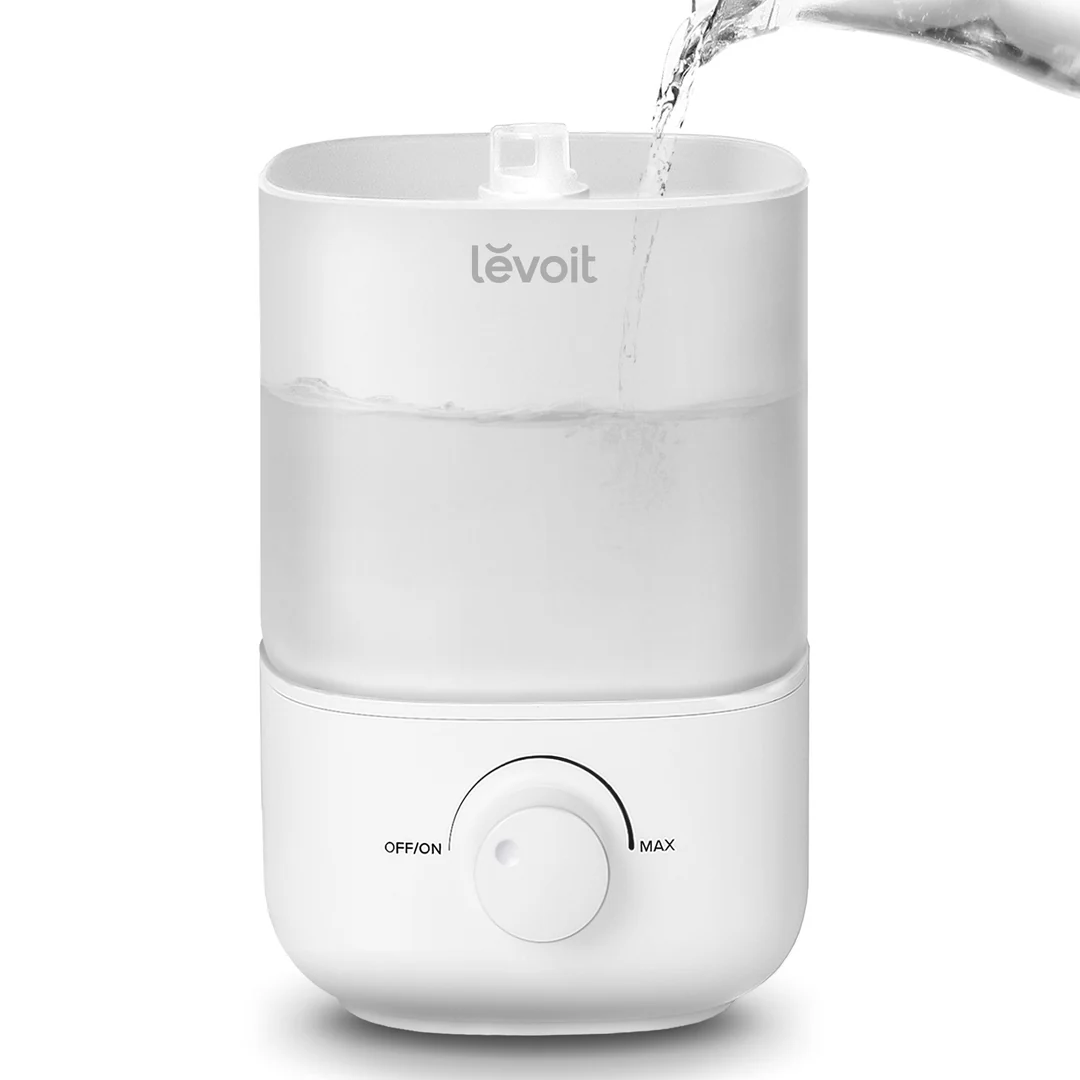
Why Your Humidifier Can Become a Germ Hotspot
Before we dive into the “how,” let’s quickly understand the “why.” A humidifier works by turning water into vapor or mist. The two key ingredients for microbial growth are moisture and a surface to grow on. Your humidifier’s tank and internal components provide both in abundance.
Think of it like a potted plant you’ve overwatered. If the water just sits there, you’ll eventually see mold on the soil. The same principle applies to your humidifier tank. This is why regular cleaning is non-negotiable. But technology has stepped in to provide an extra layer of defense.
So, What Is Antimicrobial Technology in Humidifiers, Exactly?
In simple terms, antimicrobial technology in humidifiers refers to any built-in feature or material designed to inhibit the growth of microbes like bacteria, mold, and mildew within the device. It’s not a single thing but rather a category of solutions that work to keep your humidifier’s water and internal surfaces cleaner for longer.
These technologies don’t replace the need for regular cleaning, but they act as a constant, low-level defense system. Let’s break down the most common types you’ll encounter.
Ultraviolet (UV-C) Light: The Germ Zapper
Have you ever seen those UV sanitizing wands for your phone or a blue light inside a water purifier? Many humidifiers use the same principle. They incorporate a special UV-C lamp inside the unit.
- How it works: As water passes by the UV-C lamp before being turned into mist, the light’s specific wavelength zaps any microorganisms in the water. It works by damaging their DNA, rendering them unable to reproduce and effectively neutralizing them. It’s a chemical-free way to kill up to 99.9% of germs in the water.
- Best for: Someone who wants a powerful, active sanitization process and is diligent about replacing the bulb when it burns out (usually after thousands of hours of use).
Silver Ion & Nanosilver Technology: The Ancient Protector
Silver has been used for its antimicrobial properties for centuries—long before we had the fancy technology to explain why it worked. Today, this is applied in a much more sophisticated way within humidifiers.
- How it works: This can take a few forms. Sometimes, it’s a cartridge or stick (often called a demineralization cartridge with silver) that you place in the water tank. Other times, the plastic of the tank itself is infused with silver ions. Silver ions are released into the water and act like tiny security guards, disrupting the cellular functions of bacteria and mold, preventing them from growing and multiplying.
- Best for: Those looking for a passive, continuous, and long-lasting form of microbial inhibition without any moving parts or electricity.
Antimicrobial-Treated Materials: The Protective Shield
This is one of the most common and straightforward forms of antimicrobial technology. The manufacturer simply uses plastics and other materials for the tank and base that have been treated with a registered antimicrobial agent during the manufacturing process.
- How it works: The surface of the plastic itself resists the growth of mold and mildew. Think of it like a non-stick pan for germs—they just can’t get a foothold to start growing. This doesn’t sanitize the water itself but is highly effective at keeping the surfaces of the humidifier clean.
- Best for: A baseline level of protection in nearly any humidifier. It’s a “set it and forget it” feature that offers great value.
As an Indoor Air Quality Specialist, Dr. Eleanor Vance often advises clients, “Antimicrobial features in a humidifier act as your first line of defense. While diligent cleaning is the cornerstone of safe humidification, technologies like UV-C and silver-infused materials significantly reduce the microbial load from the get-go, contributing to a healthier mist.”
The Big Question: Does Antimicrobial Tech Mean No More Cleaning?
I wish I could tell you yes, but the answer is a resounding NO. This is the single most important takeaway. Think of antimicrobial technology as a helpful assistant, not a replacement for your own efforts. Here’s why you still need to roll up your sleeves:
- It Doesn’t Stop Mineral Buildup: If you use hard tap water, minerals like calcium and magnesium will still be left behind as the water evaporates. This creates a crusty scale (sometimes leading to “white dust” from ultrasonic models) that can clog your machine and become a surface for germs to cling to. Antimicrobial tech doesn’t do anything about this.
- It Doesn’t Clean Slime: Over time, a slimy biofilm can still develop from dust and other airborne particles that get into the tank. This needs to be physically wiped away.
- Effectiveness Can Wane: UV bulbs burn out, and silver cartridges need to be replaced. You still need to perform regular maintenance to keep the technology working effectively.
The U.S. Environmental Protection Agency (EPA) strongly recommends a regular cleaning schedule for all humidifiers, regardless of their features. Here’s a simple routine:
- Every Three Days: Empty the tank, wipe it dry, and refill it with clean water. Don’t let water sit for days on end.
- Once a Week: Unplug the unit and perform a more thorough cleaning. Use a solution of white vinegar and water to soak the tank and base to dissolve mineral scale.
- Disinfect: After descaling, you can use a very diluted bleach solution or 3% hydrogen peroxide to disinfect the surfaces, making sure to rinse thoroughly with plenty of fresh water afterward until there is no lingering smell.
- Always Follow Manufacturer’s Instructions: Your user manual is your best friend. It will have specific cleaning instructions tailored to your model.
So, Are Humidifiers with Antimicrobial Technology Worth It?
Absolutely. While it’s not a magic bullet, what is antimicrobial technology in humidifiers is a valuable feature that promotes a healthier, more hygienic mist. It provides an excellent safety net, especially if you occasionally forget a cleaning day. It actively works to suppress the growth of the very things you’re trying to avoid breathing in. For families with young children, elderly members, or anyone with allergies or asthma, that extra layer of protection offers invaluable peace of mind.
When you’re shopping for a new humidifier, think of it as a significant upgrade to the base model. It makes maintaining a clean and healthy device just that much easier, ensuring the mist it produces is as beneficial as possible for your health and home.
Frequently Asked Questions (FAQ)
Q: Is antimicrobial technology in humidifiers safe for my family and pets?
A: Yes, generally. Technologies like UV-C light are contained within the unit and treat the water, not the air you breathe. Silver ion and treated plastics use materials that are registered as safe for this type of consumer application and release no harmful chemicals into the mist.
Q: Can an antimicrobial humidifier prevent me from getting sick?
A: It can help create a healthier environment, but it’s not a medical device. Maintaining proper humidity (between 40-60%) can help keep your nasal passages from drying out, which is part of your body’s natural defense against airborne viruses. The antimicrobial features simply help ensure the mist itself isn’t introducing bacteria into the air.
Q: How long do the antimicrobial features last?
A: It depends on the type. Antimicrobial-treated plastics last for the life of the product. UV-C bulbs have a long but finite lifespan (e.g., 8,000 hours) and will eventually need to be replaced. Silver-based cartridges or sticks typically need to be replaced every few months, depending on usage.
Q: Do all humidifiers have this technology?
A: No. It’s typically considered a premium feature found on mid-range to high-end models. Basic, budget-friendly humidifiers often do not include these technologies, placing the full burden of cleaning on the user.
Q: What is the difference between an air purifier and a humidifier with antimicrobial tech?
A: They serve two different functions. A humidifier adds moisture to the air. An air purifier removes particles from the air (like dust, pollen, and smoke) using filters. A humidifier’s antimicrobial tech only treats the water and the unit itself; it does not purify the room’s air.
Your Final Takeaway on Cleaner Air
Navigating the world of home wellness gadgets can be tricky, but understanding what is antimicrobial technology in humidifiers is a big step toward making a smarter choice. It’s an innovative feature designed to combat the inherent challenge of keeping a water-based appliance clean and safe.
This technology provides a fantastic buffer, working 24/7 to inhibit the growth of mold and bacteria. While it will never replace a good old-fashioned weekly cleaning, it ensures that the moisture you’re adding to your air is as clean and healthy as possible. So, when you’re ready to say goodbye to dry air, consider a model with antimicrobial protection. Your sinuses—and your peace of mind—will thank you for it.