Ever wake up with a scratchy throat, dry skin, and that annoying static shock every time you touch a doorknob? You might blame the cold weather, but the real culprit is likely hiding in plain sight: the air in your home. Getting to the bottom of What Is The Ideal Humidity Level For A Home isn’t just about comfort—it’s about your health, your home’s integrity, and even the happiness of your houseplants.
Think of your home’s air like a sponge. When it’s too dry, it tries to soak up moisture from everywhere, including your skin, your nasal passages, and your beautiful wooden furniture. On the flip side, if the air is too damp, you’re rolling out the welcome mat for mold and mildew. The key is finding that perfect balance, and that’s exactly what we’re here to help you do. Let’s dive in and transform your living space into an oasis of perfect air.
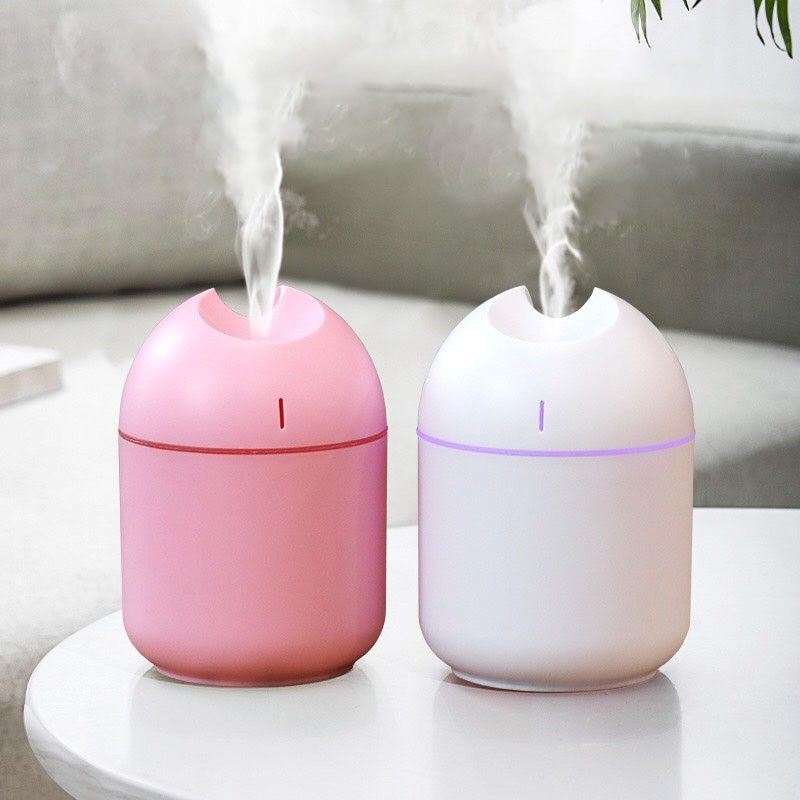
Why Does Home Humidity Even Matter?
Before we talk numbers, let’s get personal. Why should you even care about the moisture level in your air? For years, I just accepted that dry, itchy skin was a non-negotiable part of winter. It wasn’t until I invested in a simple hygrometer (a device that measures humidity) that I had my “aha!” moment. My home’s humidity was hovering around a shocking 20%—drier than the Sahara Desert!
Maintaining the right humidity level isn’t a luxury; it’s a cornerstone of a healthy and comfortable home. Here’s why it’s a game-changer:
- Your Health and Comfort: Properly humidified air can soothe dry nasal passages, relieve congestion, and reduce the severity of cold and allergy symptoms. It also helps your skin retain moisture, leaving it less itchy and irritated.
- Protecting Your Home: Dry air leaches moisture from wood, causing floors, furniture, and even the structural wood of your house to crack and shrink. Conversely, excess moisture can cause paint to peel and wood to warp.
- Reducing Airborne Viruses: Several studies have shown that viruses, including the flu, have a harder time surviving and spreading in air with humidity levels between 40% and 60%.
- Saving on Energy Bills: This one might surprise you. Humid air feels warmer than dry air at the same temperature. By maintaining an ideal humidity level, you might feel comfortable enough to lower your thermostat by a degree or two, saving you money.
- Happier Houseplants: Your leafy friends will thank you! Most common houseplants thrive in a more humid environment, which mimics their native tropical or subtropical habitats.
So, What Is the Ideal Humidity Level for a Home?
Alright, let’s get to the golden number. The sweet spot for your home’s relative humidity is between 40% and 60%. This is the range recommended by experts, including the Environmental Protection Agency (EPA), for optimal comfort and health.
Relative humidity (RH) is a measure of how much water vapor is in the air compared to the maximum amount it could hold at that temperature. Think of it as a percentage of “fullness.” A 50% RH means the air is holding half the moisture it’s capable of.
Staying within this 40-60% range is crucial.
- Below 40%: You’ll start to experience the effects of dry air—static electricity, dry skin, and increased susceptibility to colds.
- Above 60%: You’re entering the danger zone for condensation on windows, musty odors, and the growth of mold, mildew, and other unwanted microscopic guests.
The best way to know your home’s current level is with a hygrometer. Many modern thermostats have one built-in, but you can also buy an inexpensive digital one to place in your main living area or bedroom.
Signs Your Home’s Humidity is Out of Whack
Your body and your home are excellent barometers. If you don’t have a hygrometer yet, look out for these telltale signs that your air is either too dry or too damp.
Telltale Signs of Low Humidity (Dry Air)
Does this sound familiar? You’re constantly reaching for lotion, your hair is full of static, and you wake up feeling like you swallowed a cotton ball. These are classic signs of low humidity.
- Frequent static shocks.
- Itchy, dry, or chapped skin and lips.
- A persistent dry cough or scratchy throat.
- Increased allergy or asthma flare-ups.
- Visible gaps appearing in your hardwood floors.
- Wilting houseplants, despite regular watering.
Red Flags for High Humidity
On the other end of the spectrum, excessive moisture creates its own set of problems that can be even more damaging.
- Condensation or fog on the inside of your windows.
- A persistent damp or musty smell, especially in basements or bathrooms.
- Visible mold spots (black, green, or white) on walls or ceilings.
- Peeling paint or blistering wallpaper.
- A clammy, sticky feeling in the air.
Finding Your Perfect Match: A Guide to Humidifier Types
If you’ve identified that your home suffers from dry air, a humidifier is your best friend. But walking into the appliance aisle can be overwhelming. Let’s break down the most common types so you can choose with confidence.
Ultrasonic Humidifiers: The Quiet Contenders
These are incredibly popular, and for good reason. They use high-frequency vibrations to break water into a super-fine, visible cool mist.
- Pros: Extremely quiet, energy-efficient, and no filters to replace (on most models).
- Cons: Can produce a “white dust” (fine mineral deposits) if you use hard tap water. Using distilled or demineralized water is highly recommended to avoid this.
Evaporative Humidifiers: The Self-Regulating Workhorses
These devices use a fan to blow air through a moistened wick or filter. The air picks up moisture as it passes through, and the humidifier releases it into the room.
- Pros: Self-regulating (they won’t over-humidify a room), and the filter traps minerals, preventing white dust.
- Cons: The fan can be noisy, and the wick filter needs to be cleaned and replaced regularly to prevent mold and bacteria growth.
Steam Vaporizers/Warm Mist: The Soothing Sanitizers
These are the old-school classics. They boil water to create a warm, soothing steam that is released into the air.
- Pros: The boiling process kills waterborne bacteria and mold, ensuring a pure mist. The warm mist can feel particularly comforting during a cold.
- Cons: They use more energy than other types, and the hot water presents a burn risk, making them less ideal for homes with young children or pets.
Here’s a quick comparison to help you decide:
| Feature | Ultrasonic Humidifier | Evaporative Humidifier | Steam Vaporizer (Warm Mist) |
|---|---|---|---|
| Noise Level | Very Quiet | Can be Noisy (Fan) | Quiet Gurgling/Boiling |
| Mist Type | Cool Mist | Cool Mist (Invisible) | Warm Mist/Steam |
| Energy Use | Low | Low to Medium | High |
| “White Dust” | Yes, with tap water | No (trapped in filter) | No |
| Maintenance | Regular cleaning | Filter replacement | Regular cleaning |
| Best For | Bedrooms, quiet spaces | General use, hard water | Soothing congestion, sanitizing |
How to Use and Maintain Your Humidifier Like a Pro
Owning a humidifier comes with one non-negotiable rule: keep it clean. A dirty humidifier can go from being a health hero to a health hazard, breeding bacteria and mold and spewing them into your air.
As our in-house Indoor Air Quality Specialist, Dr. Eleanor Vance, often says:
“A humidifier is a phenomenal tool for improving respiratory health, but only if it’s maintained. A neglected tank is a breeding ground for contaminants. Think of cleaning your humidifier with the same diligence you’d use for your drinking water bottle.”
Follow these simple steps for a weekly cleaning:
- Unplug and Disassemble: Safety first! Unplug the unit and empty any water from the tank and base.
- Descale with Vinegar: Pour a solution of one part white vinegar and one part water into the tank and base. Let it sit for 20-30 minutes to dissolve any mineral buildup.
- Disinfect (Optional but Recommended): After rinsing out the vinegar, you can disinfect with a diluted bleach or hydrogen peroxide solution. Crucially, check your manufacturer’s instructions first, as some materials can be damaged by certain chemicals.
- Rinse Thoroughly: This is the most important step. Rinse all parts multiple times with clean water until any scent of vinegar or cleaning solution is gone. You do not want to breathe in those fumes.
- Dry Completely: Let all the parts air dry completely before you reassemble and refill the unit.
Frequently Asked Questions
What is the best humidity level for a bedroom at night?
The ideal humidity level for sleeping is also between 40% and 60%. This range can help prevent a dry throat and nasal passages, reduce snoring caused by dryness, and promote more restful sleep.
Can a home be too humid?
Absolutely. Consistently high humidity (above 60%) encourages the growth of mold, mildew, and dust mites, which can trigger allergies and asthma. It can also cause structural damage to your home over time.
Does a humidifier help with allergies?
Yes, it can. By keeping your nasal passages moist, a humidifier can help your body trap and expel allergens more effectively. However, it’s a double-edged sword: a dirty humidifier or a room that is too humid can worsen allergies by promoting mold and dust mite growth.
How often should I clean my humidifier?
A light cleaning and water change should happen daily or every few days. A thorough deep clean, like the one described above, should be performed at least once a week, especially during periods of heavy use.
Is cool mist or warm mist better?
Both are equally effective at adding moisture to the air. The choice is largely personal. Cool mist is generally safer for homes with children and pets and is more energy-efficient. Warm mist can feel more comforting in the winter and has the benefit of killing germs in the water.
Your Path to a More Comfortable Home
Achieving the perfect indoor environment is a journey, not a destination. By understanding what is the ideal humidity level for a home and taking steps to maintain it, you’re investing in your health, comfort, and the longevity of your living space. The 40-60% rule is your guiding star.
Whether you’re battling the dry air of a harsh winter or the arid conditions created by an air conditioner, a quality humidifier is an essential tool. Grab a hygrometer, assess your air, and find the right machine for your needs. Your lungs, your skin, and your home will thank you for it.