Are you tired of waking up with a scratchy throat, dry skin, or a stuffy nose? A good humidifier can be a total game-changer, turning your dry, stale indoor air into a comfortable, healthy oasis. But as you start shopping, you’ll quickly run into a fundamental choice that impacts your daily use more than you might think. The big question is: What Is Top Fill Vs Bottom Fill Design, and which one should you bring home? It might seem like a minor detail, but trust me, it can be the difference between a seamless experience and a daily, drippy hassle. Let’s break it all down.
Why Your Humidifier’s Design Matters More Than You Think
Before we get into the nitty-gritty of fill designs, let’s have a quick refresher on why you’re even looking at one of these fantastic machines. Maintaining an ideal indoor relative humidity level (experts recommend between 40% and 60%) does more than just combat dry air.
- Health and Comfort: It can soothe irritated nasal passages, reduce snoring, alleviate allergy symptoms, and even help you recover from a cold faster.
- Skin and Beauty: Say goodbye to chapped lips and flaky skin! Proper humidity helps your skin retain its natural moisture.
- Your Home’s Health: It protects wood furniture, floors, and musical instruments from cracking and warping.
- Happy Houseplants: Your green friends will thank you, as most tropical houseplants thrive in more humid conditions.
The best humidifier is one you’ll actually use consistently. And the biggest factor in consistent use? Convenience. This is where the top fill vs bottom fill design debate truly comes into play.
The Lowdown on Bottom-Fill Humidifiers
The bottom-fill design is the classic, traditional model you’ve probably seen for years. Think of it like a standard reusable water bottle.
To fill it, you have to perform a little ritual:
- Turn the unit off and lift the water tank off the base.
- Carry it over to a sink or tub.
- Flip the tank upside down.
- Unscrew the cap on the bottom.
- Fill it with water (often an awkward process of holding a slippery tank under a faucet).
- Screw the cap back on tightly.
- Flip it right-side-up again, carry it back, and place it on the base, hoping you don’t leave a trail of drips along the way.
It’s what I like to call the “sink ballet,” and it’s not always graceful.
Pros of Bottom-Fill Designs
- Often More Affordable: Because this is a more traditional and mechanically simple design, bottom-fill models tend to be more budget-friendly.
- Secure Seal: The screw-on cap, when tightened properly, creates a very secure, leak-proof seal at the filling point.
Cons of Bottom-Fill Designs
- The Inconvenience Factor: The multi-step filling process is cumbersome and can be a real deterrent to daily use.
- High Spill Potential: Drips are almost inevitable when flipping the tank and carrying it back and forth.
- Awkward to Handle: The tanks can be heavy and slippery when full, making them difficult to manage, especially for those with limited mobility or strength.
- Harder to Clean: The small opening at the bottom makes it very difficult to get a hand or a brush inside to scrub away potential mold or mineral buildup.
Enter the Top-Fill Humidifier: A Modern Convenience
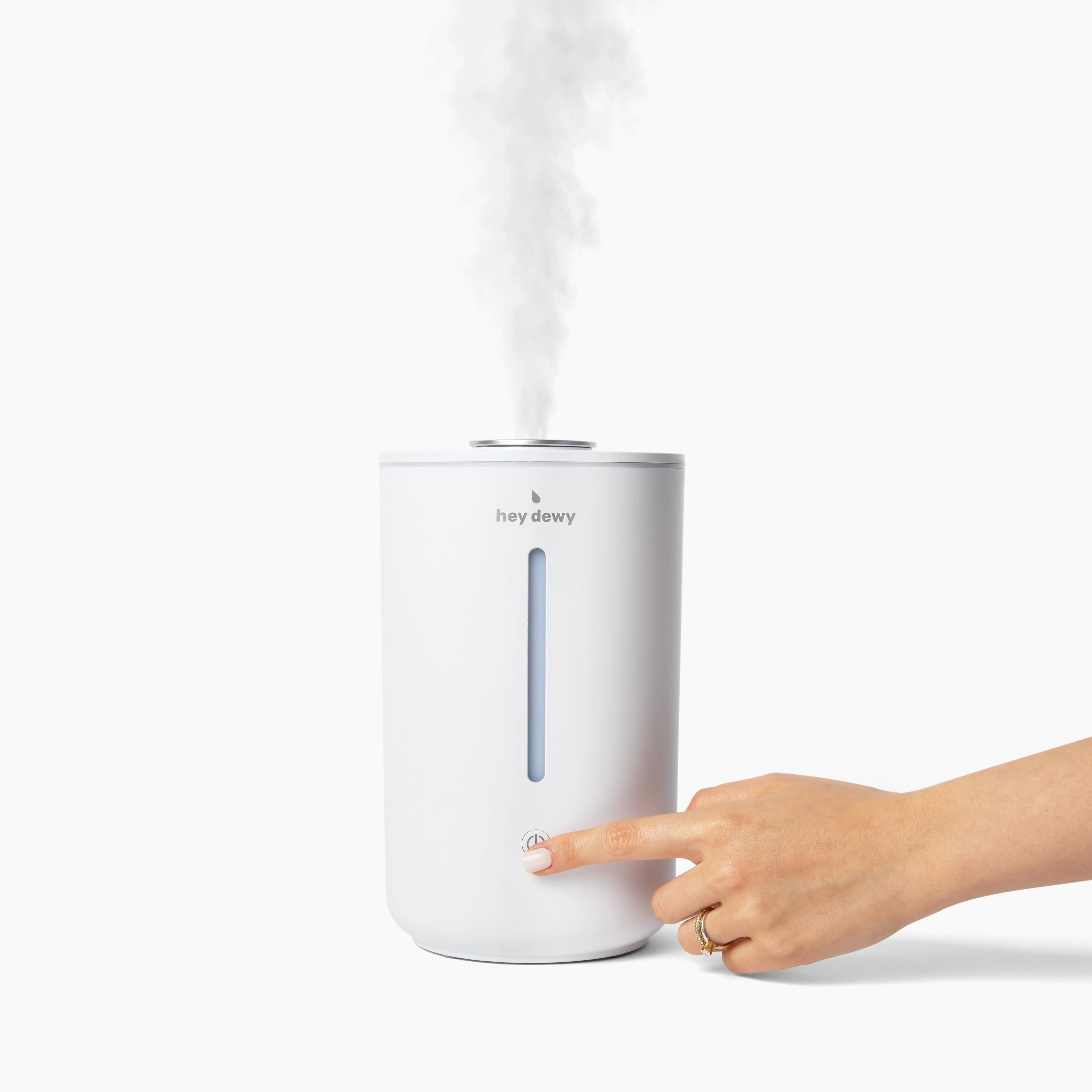
A top-fill humidifier, as the name suggests, is designed to be filled from the top. It’s more like watering a plant than filling a bottle. You simply lift a lid or a portion of the top cover and pour water directly into the reservoir, often using a pitcher or water bottle. There’s no flipping, no unscrewing caps upside down, and no carrying a heavy tank to the sink.
This simple change in design completely transforms the user experience. I remember my first top-fill model; the sheer relief of not having to perform the sink ballet every single night was incredible. It made me far more likely to keep it running, which is the whole point.
Pros of Top-Fill Designs
- Incredibly Easy to Fill: The convenience is unmatched. You can fill it right where it sits, reducing effort and time.
- Minimal Spills and Mess: Pouring water directly in from the top drastically reduces the chance of dripping water across your floors.
- Much Easier to Clean: Top-fill models almost always feature a wide-open tank. You can easily reach inside to wipe down all surfaces, which is crucial for preventing the growth of bacteria and mold.
- Great for Everyone: The ease of use makes it a perfect choice for the elderly, people with arthritis, or anyone who just wants a hassle-free experience.
Cons of Top-Fill Designs
- Can Be More Expensive: The improved design and convenience often come with a slightly higher price tag, though this gap is closing as they become more common.
- Potential for Overfilling: If you’re not paying attention, it’s possible to overfill the tank, though many models have clear max-fill lines to prevent this.
What is Top Fill vs Bottom Fill Design: A Head-to-Head Comparison
To make it even clearer, let’s put them side-by-side.
| Feature | Top-Fill Humidifier | Bottom-Fill Humidifier |
|---|---|---|
| Filling Convenience | Excellent. Fill it in place with a pitcher. | Poor. Requires carrying, flipping, and unscrewing. |
| Risk of Spills | Low. Minimal dripping or mess. | High. Prone to drips during transport and flipping. |
| Ease of Cleaning | Excellent. Wide opening allows for easy access. | Difficult. Small opening makes thorough cleaning hard. |
| Typical Cost | Generally mid-range to higher-end. | Often more budget-friendly. |
| Best For | Users prioritizing convenience, ease of cleaning, and accessibility. | Budget-conscious users who don’t mind the extra steps. |
So, Which Humidifier Design Should You Choose?
The answer really depends on your priorities, lifestyle, and budget. The debate over what is top fill vs bottom fill design comes down to a trade-off between cost and convenience.
Go for a Top-Fill Humidifier if…
- You value convenience above all else.
- You know that if a chore is difficult, you’re less likely to do it.
- You have mobility issues or find it hard to lift heavy, awkward objects.
- You are diligent about cleaning and want easy access to the tank’s interior.
A Bottom-Fill Humidifier Might Still Work if…
- You are on a very tight budget.
- You don’t mind the extra steps involved in the filling process.
- You plan to place it in a bathroom or kitchen where a few spills aren’t a big deal.
As our in-house Indoor Air Quality Specialist, Dr. Eleanor Vance, often says, “The most effective humidifier is the one that’s running. And the humidifier that’s running is almost always the one that’s easiest to fill and clean. A top-fill design removes the two biggest barriers to consistent use.”
Beyond the Fill: Other Features to Consider
While the fill design is a huge factor, don’t forget about other key features when making your final decision:
- Type: Ultrasonic models are whisper-quiet and produce a cool mist, but can create “white dust” if you use hard water. Evaporative models use a fan and a wick filter to add moisture, naturally filtering out minerals but requiring filter replacements.
- Room Size: Make sure the humidifier’s capacity is matched to the square footage of your room for optimal performance.
- Noise Level: If you’re a light sleeper, look for an ultrasonic model or one with a designated sleep mode.
- Extra Features: Some models include built-in hygrometers to auto-regulate humidity, essential oil trays for aromatherapy, and smart features that connect to your phone.
Frequently Asked Questions (FAQ)
Q: Are top-fill humidifiers really easier to clean?
A: Yes, absolutely. Their wide-mouthed tanks allow you to easily reach every corner with a cloth or brush, which is essential for preventing the growth of mold and bacteria as recommended by the EPA.
Q: Do bottom-fill humidifiers leak more often?
A: They don’t necessarily leak more from the device itself, but they create far more opportunities for spills and drips during the filling process. A poorly-tightened cap on a bottom-fill model is a common source of leaks.
Q: Is there a significant price difference between top-fill and bottom-fill humidifiers?
A: Historically, top-fill models were more expensive. However, as they’ve become more popular, the price gap has shrunk. You can now find affordable top-fill options, though the most basic, budget models are still often bottom-fill.
Q: Can I use tap water in my humidifier?
A: You can, but it’s not always ideal. Tap water, especially hard water, contains minerals that can be dispersed into the air as fine “white dust” by ultrasonic humidifiers. This dust can settle on furniture and be inhaled. Using distilled or demineralized water is the best way to prevent this.
Q: How often should I clean my humidifier, regardless of the fill type?
A: It’s crucial to clean your humidifier every few days. You should rinse the tank daily and give it a more thorough cleaning and disinfecting with vinegar or a recommended solution at least once a week to ensure you’re breathing clean, healthy moisture.
The Final Word
When it comes to the what is top fill vs bottom fill design dilemma, the choice is ultimately about making your life easier. While a bottom-fill humidifier will get the job done, a top-fill model elevates the experience from a daily chore to a simple, effortless task. By removing the hassle, you’re far more likely to use it consistently, and that’s how you’ll truly reap the benefits of perfectly balanced indoor air. Now you have the knowledge to choose the perfect design to keep your home comfortable and your family healthy.