Ever wake up with a scratchy throat, dry skin, or a nose that feels like you just spent a week in the desert? You’re not alone. Dry air is a silent culprit in our homes, especially during winter or in climates with year-round air conditioning. A good humidifier can be a game-changer, but that immediately brings up the million-dollar question: What Size Humidifier Do I Need For My Room? Choosing the wrong one can be like trying to water a garden with a spray bottle—or flooding it with a fire hose.
Don’t worry, you’ve come to the right place. Think of me as your personal guide to the world of perfect indoor humidity. We’re going to break it all down, step-by-step, so you can transform your space from a Sahara-like environment into a comfortable, healthy oasis. Let’s dive in.
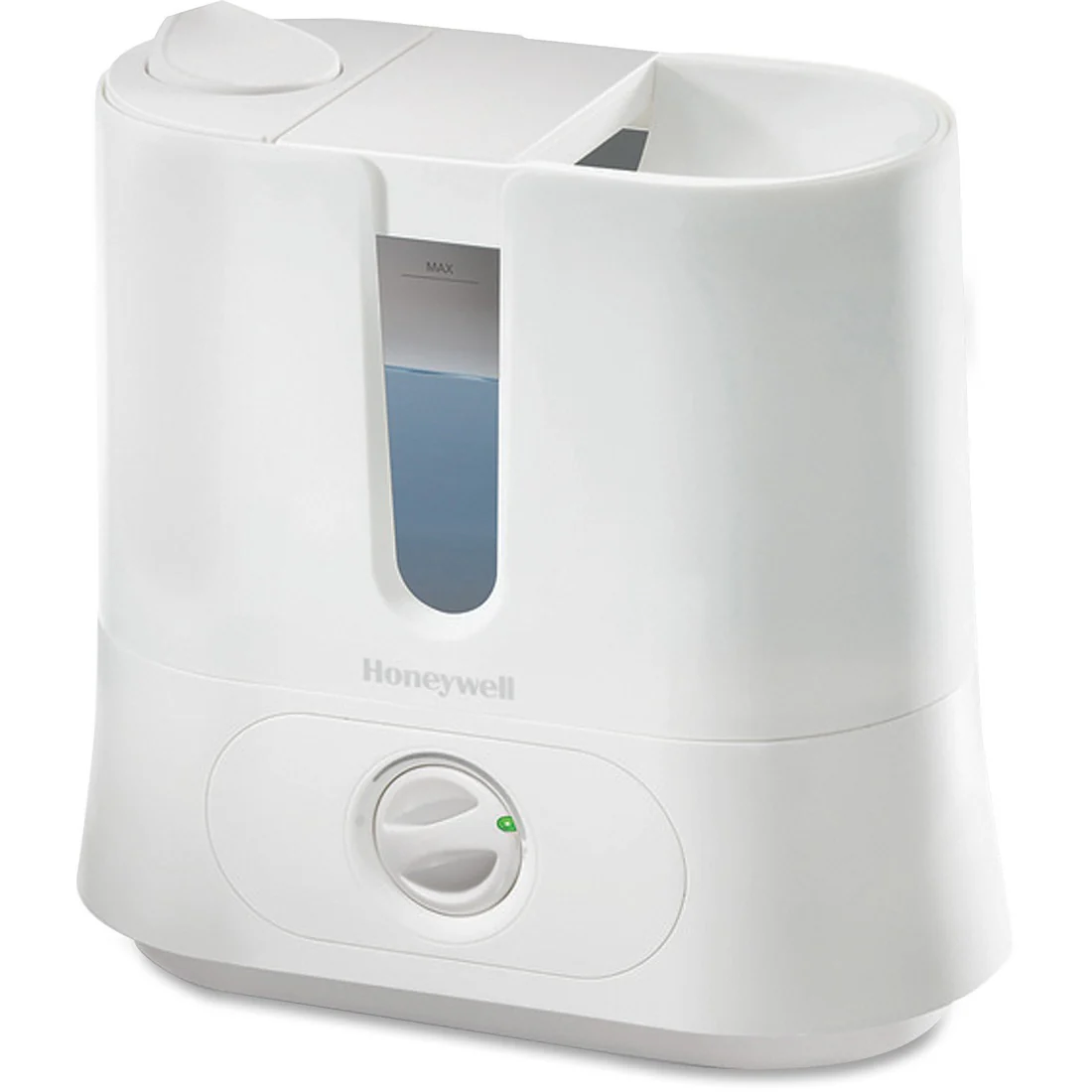
Why a Humidifier is Your Home’s Best Friend
Before we get into the nitty-gritty of sizing, let’s quickly touch on why this little machine is so important. It’s not just about comfort; it’s about your overall well-being. Maintaining an ideal humidity level (experts recommend between 40% and 60%) has some seriously impressive benefits:
- For Your Health: It can help soothe dry sinuses, bloody noses, and cracked lips. It also eases symptoms of colds and respiratory conditions by keeping your nasal passages moist. I used to get a terrible dry cough every winter until I finally invested in a good humidifier for my bedroom.
- For Your Skin: Say goodbye to itchy, flaky skin. Proper humidity helps your skin retain its natural moisture, keeping it hydrated and glowing.
- For Your Home: Dry air can wreak havoc on your house itself. It can cause wood floors, furniture, and even musical instruments to crack and warp.
- For Your Sleep: A humidifier can reduce snoring! Dry air can make snoring worse, so adding a little moisture can lead to a quieter, more restful night for everyone.
- For Your Plants and Pets: Your leafy friends and furry companions also suffer in dry air. A humidifier helps them stay healthy and happy, too.
A Quick Peek Under the Hood: Types of Humidifiers
The “size” of a humidifier is linked to its type and technology. There are a few main players on the field, each with its own playbook.
Ultrasonic Humidifiers
These are probably the most common type you’ll see. They use a high-frequency vibrating diaphragm to create a super-fine, cool mist.
- Pros: Extremely quiet (great for bedrooms), energy-efficient, and often come in sleek, modern designs.
- Cons: Can produce a fine “white dust” (mineral deposits from tap water) that settles on furniture. Using distilled or demineralized water solves this problem completely.
Evaporative Humidifiers
These work a bit like a natural breeze over a lake. A fan blows air through a wet wick or filter, causing the water to evaporate into your room.
- Pros: Self-regulating (they won’t over-humidify a room), and the filter traps minerals, so there’s no white dust.
- Cons: Can be noisier due to the fan, and you’ll need to clean and replace the wick filter regularly to prevent mold and bacteria growth.
The Main Event: How Do I Know What Size Humidifier I Need?
Alright, let’s get to the heart of the matter. Determining the right size isn’t about the physical dimensions of the machine. It’s all about its output capacity versus the square footage of your room.
The process is simpler than you think. Just follow these three steps.
Step 1: Measure Your Room’s Square Footage
First things first, grab a tape measure. You need to know the size of the space you want to humidify.
- Measure the length and width of your room in feet.
- Multiply the two numbers together. (Length x Width = Square Footage)
For example, a typical bedroom might be 12 feet long by 15 feet wide.
12 ft x 15 ft = 180 square feet.
Don’t worry about being perfectly exact. A rough estimate will get you into the right ballpark.
Step 2: Match Square Footage to Humidifier Size
Humidifiers are generally categorized into three main sizes based on the area they can effectively cover. Here’s a simple chart to guide you:
| Room Size Category | Square Footage | Humidifier Type | Best For |
|---|---|---|---|
| Small | Up to 300 sq. ft. | Tabletop/Personal | Small bedrooms, nurseries, home offices |
| Medium | 300 – 499 sq. ft. | Tabletop/Console | Master bedrooms, living rooms, kitchens |
| Large | 500 – 999 sq. ft. | Console | Large living rooms, open-plan areas |
| Whole-House | 1000+ sq. ft. | Console/In-Duct | Covering an entire apartment or small home |
Based on our 180 sq. ft. bedroom example, a small tabletop humidifier would be the perfect fit. Trying to use a large console model in that space would be overkill and could lead to condensation on the windows and even mold growth.
Step 3: Understand Humidifier Output
This is where the term “gallons” comes in. The “size” is officially measured by how many gallons of water the unit can disperse into the air over a 24-hour period.
“People often fixate on the tank size, thinking bigger is always better,” notes Dr. Eleanor Vance, an Indoor Air Quality Specialist. “But the real key is the output. A humidifier with a high daily output and a smaller tank just means you’ll refill it more often. The most important thing is to match the machine’s 24-hour output capability to your room’s square footage and your home’s natural dryness.”
So, when you see a humidifier labeled “2-gallon,” that might be its tank size, but you should look for its output rating, often listed as “gallons per day” or “gpd.” A small humidifier might have an output of 1.5 gpd, while a large console model could be 9 gpd or more.
Pro Tips for Getting the Most Out of Your Humidifier
Choosing the right size is half the battle. Using it correctly is the other half.
- Get a Hygrometer: This is a small, inexpensive device that measures the relative humidity in your room. It takes the guesswork out of the equation and helps you maintain that sweet spot of 40-60%.
- Placement is Key: Don’t put your humidifier in a corner or right against a wall. Place it on a flat, water-resistant surface at least a few feet away from your bed and any wooden furniture to allow for proper air circulation.
- Clean it. Seriously. This is non-negotiable. A dirty humidifier can become a breeding ground for mold and bacteria, which it then pumps into your air. Follow the manufacturer’s instructions, but a good rule of thumb is a weekly cleaning.
Basic Humidifier Cleaning Checklist
Here’s a quick checklist to keep your machine—and your air—clean.
- [ ] Daily: Empty and rinse the tank, then refill with fresh water. Never let water sit for days.
- [ ] Weekly: Unplug the unit and empty it. Use a solution of white vinegar and water (or as recommended by the manufacturer) to soak the tank and base to dissolve mineral scale.
- [ ] Weekly: Use a small brush to gently scrub away any stubborn buildup.
- [ ] Weekly: Rinse all parts thoroughly with clean water to remove the vinegar solution before reassembling.
- [ ] As Needed: Replace filters or wicks according to the manufacturer’s schedule.
Frequently Asked Questions (FAQ)
Q: What is the ideal humidity level for a room?
A: The ideal relative humidity for health and comfort is between 40% and 60%. Below 30% is too dry, and above 60% can encourage mold and mildew growth. A hygrometer is the best tool to monitor this.
Q: Can I use a humidifier that’s too big for my room?
A: It’s not recommended. An oversized humidifier can release too much moisture too quickly, leading to condensation on walls and windows, a damp feeling in the air, and potentially creating a perfect environment for mold and dust mites to thrive.
Q: How often should I clean my humidifier?
A: You should give it a light rinse and refill daily. A more thorough cleaning with a vinegar solution should be done at least once a week to prevent the growth of bacteria and mold. Always follow the manufacturer’s specific instructions.
Q: Does it matter where I place the humidifier in my room?
A: Yes, absolutely. Place it on an elevated, flat surface like a dresser or nightstand, at least 6 inches from the wall. This ensures the mist distributes evenly and doesn’t damage surfaces. Avoid placing it directly on wood furniture or near electronics.
Q: Should I choose a cool mist or warm mist humidifier?
A: Cool mist is generally recommended, especially for homes with children and pets, as there is no hot water and thus no burn risk. Warm mist units use a heating element to boil water, which can be soothing for coughs but uses more energy.
The Takeaway
Choosing a humidifier doesn’t have to be complicated. By ignoring the physical size and focusing on the two things that matter—your room’s square footage and the machine’s output capacity—you can easily find the perfect match. Finding the answer to what size humidifier do i need for my room is the first step toward a healthier, more comfortable home environment. Armed with this knowledge, you can breathe easier, sleep better, and say farewell to the woes of dry air for good.